
Disclosure: This page may contain affiliate links. As an Amazon Associate, I earn from qualifying purchases at no extra cost to you.
Power banks are one of the most useful pieces of travel gear you can bring to Alaska. Long drives, cruise excursions, ferry rides, photography days, airport delays, camping trips, and remote areas can all drain your phone or camera faster than expected.
The best power banks for Alaska should be dependable, easy to pack, powerful enough for your devices, and practical for the way you travel. A small phone charger may be enough for a cruise port day, but road trips, photography, camping, and longer adventures may need something larger and more rugged.
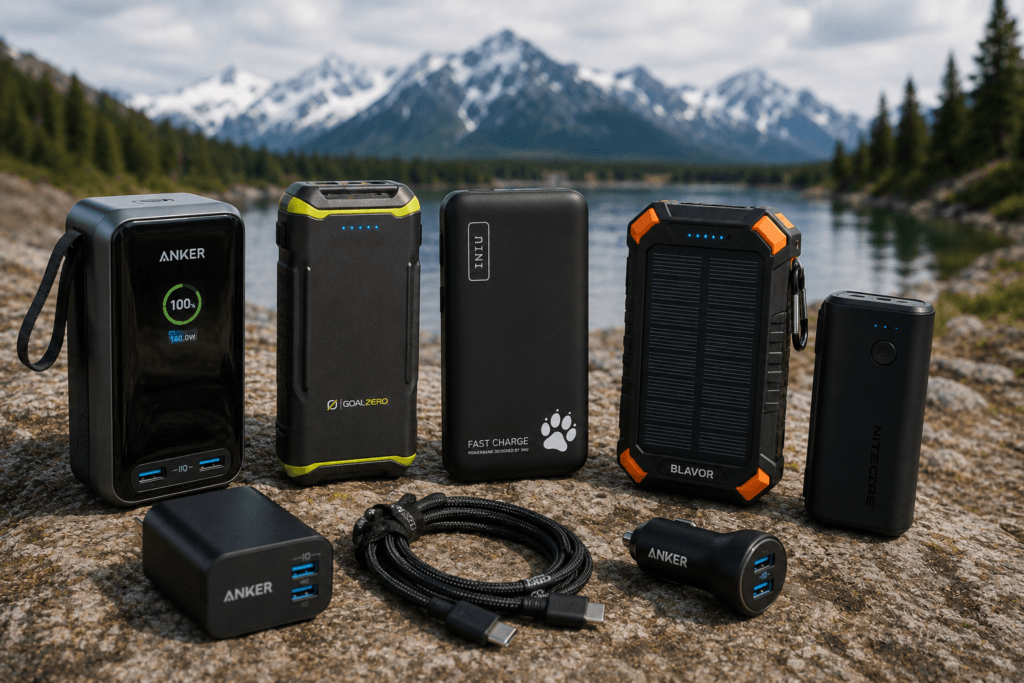
This guide covers practical power banks and portable charging options for Alaska travel, including high-capacity chargers, compact power banks, rugged outdoor chargers, and larger backup power options for road trips, photography, and off-grid travel.
Quick Navigation
- Quick Picks
- Best Power Banks for Alaska
- Power Bank Comparison Chart
- Why Backup Power Matters in Alaska
- How Much Capacity Do You Need?
- Power Banks for Phones and Travel Days
- Power Banks for Cameras and Photography
- Power Banks for Alaska Road Trips
- Cold Weather and Battery Life
- Common Power Bank Mistakes
- Frequently Asked Questions
- Final Thoughts
Quick Picks
- Best Overall: Anker 737 Power Bank
- Best High-Capacity Budget Option: INIU 25000mAh Power Bank
- Best Premium Power Bank: Anker Prime Power Bank
- Best USB-C Travel Charger: UGREEN Nexode Power Bank
- Best Rugged Outdoor Option: Goal Zero Venture 75
- Best Larger Backup Power Option: BioLite BaseCharge 500
Best Power Banks for Alaska Travel
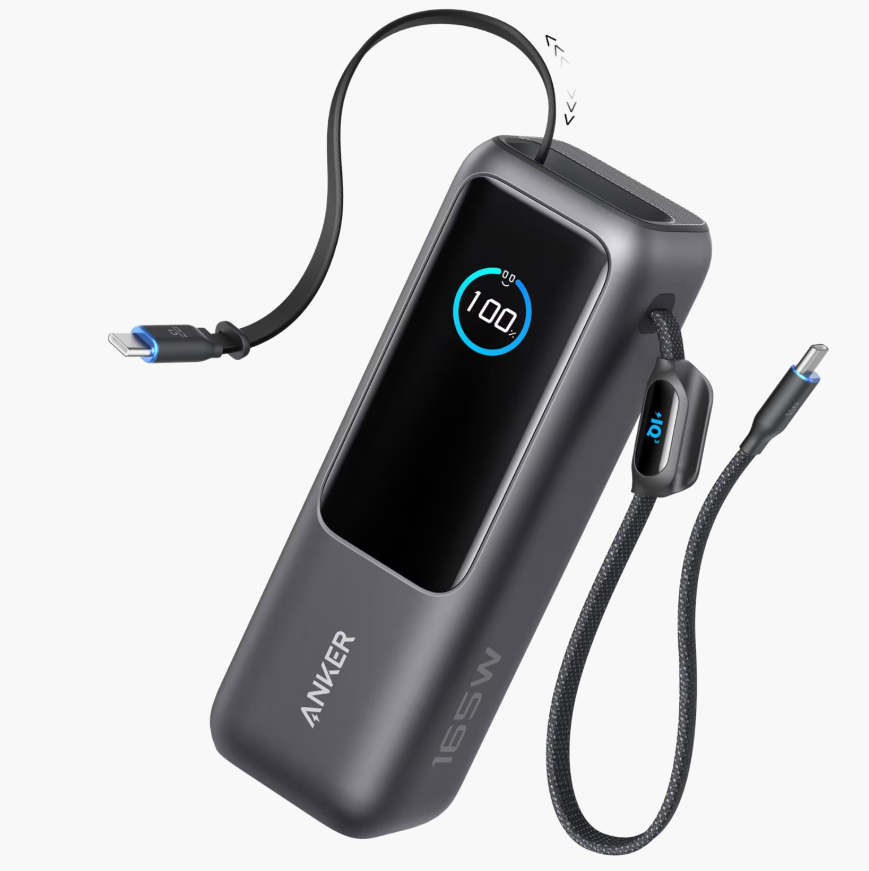
Best Overall — Anker 737 Power Bank
The Anker 737 Power Bank is one of the best overall portable chargers for Alaska because it has enough capacity and output for serious travel days. It is useful for phones, tablets, cameras, GPS devices, headphones, and other electronics that need reliable backup power.
In Alaska, power matters because travel days can be long. You may leave early for a road trip, take photos all day, use maps, check weather, record video, and still need your phone working hours later. A small cheap charger may not be enough for that kind of use.
This is a strong choice if you want one dependable power bank that can handle most Alaska travel situations without feeling underpowered.
Best for: Alaska road trips, flights, cruise excursions, photography, phones, tablets, GPS devices, and travelers who want a reliable all-around power bank.
Check Price on Amazon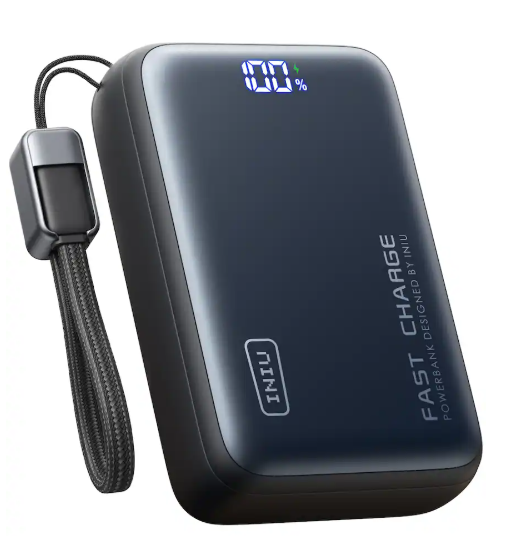
Best High-Capacity Budget Option — INIU 25000mAh Power Bank
The INIU 25000mAh Power Bank is a good option for travelers who want a lot of backup power without jumping into the highest price range. A higher-capacity power bank is helpful if you are charging more than one device or spending long days away from outlets.
This makes sense for Alaska visitors who are using phones for photos, maps, videos, reservations, and communication. It is also useful for families or couples who may need to charge more than one device during the same day.
If you want strong capacity at a more approachable price, this is a practical travel choice.
Best for: Budget-conscious travelers, long travel days, phone charging, family trips, road trips, and backup power for multiple devices.
Check Price on Amazon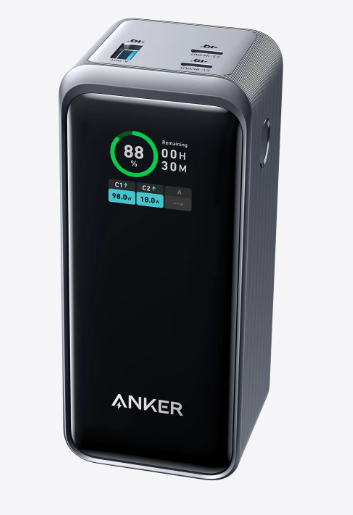
Best Premium Power Bank — Anker Prime Power Bank
The Anker Prime Power Bank is a strong premium option for travelers who want fast charging, high output, and a more advanced portable power setup. It makes sense if your devices are important to your trip and you do not want to gamble on weak charging gear.
This is especially useful for travelers carrying newer phones, tablets, cameras, laptops, or multiple USB-C devices. If you are working remotely, managing travel plans online, shooting photos, or relying heavily on electronics, dependable charging is worth paying attention to.
For Alaska travel, this is the type of power bank I would consider if you want something more capable than a simple phone charger.
Best for: Premium travel charging, USB-C devices, photography, tablets, heavier electronics use, and travelers who want fast dependable power.
Check Price on Amazon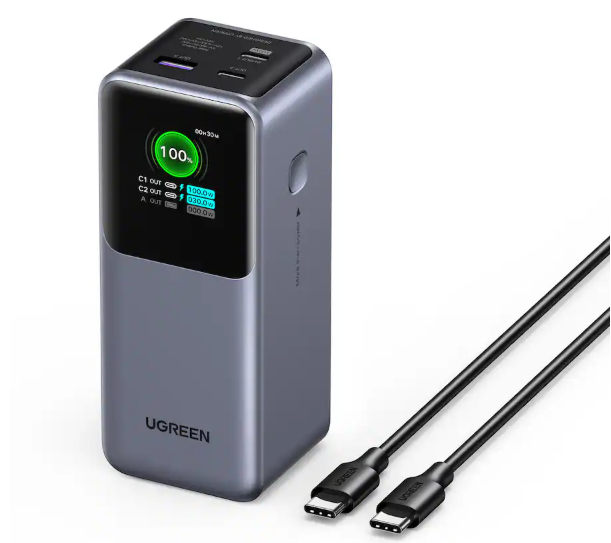
Best USB-C Travel Charger — UGREEN Nexode Power Bank
The UGREEN Nexode Power Bank is a good choice for travelers who use USB-C devices and want a clean, capable charging setup. USB-C is increasingly common for phones, tablets, cameras, headphones, and travel tech, so having a strong USB-C power bank is useful.
For Alaska, this is helpful during flights, road trips, ferries, and long excursion days where you may not have easy access to outlets. It is also useful if you are trying to simplify your charging system and avoid carrying too many different chargers.
This power bank fits well for travelers who want modern charging without needing a larger power station.
Best for: USB-C devices, phones, tablets, travel tech, flights, ferries, and travelers who want a streamlined charging setup.
Check Price on Amazon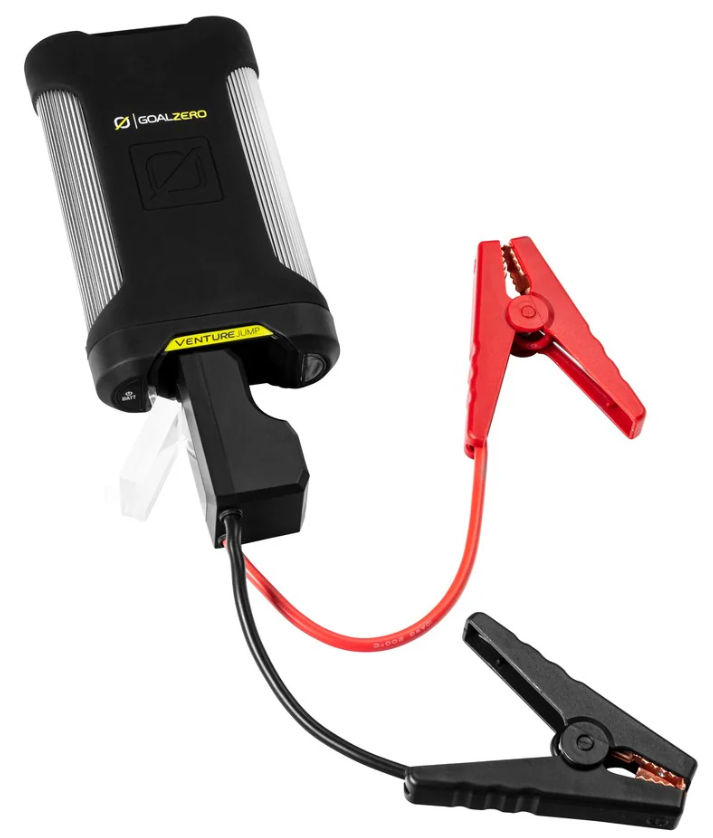
Best Rugged Outdoor Option — Goal Zero Venture 75
The Goal Zero Venture 75 is a rugged power bank that makes sense for outdoor-focused Alaska travel. It is built more for adventure use than basic airport charging, which makes it useful for camping, road trips, fishing, hiking, and rougher travel days.
This kind of charger is helpful when your gear may be exposed to more moisture, dirt, movement, and outdoor conditions. Alaska travel can be hard on electronics, so ruggedness is not just a marketing feature here.
If your trip includes camping, long road days, outdoor excursions, or vehicle-based adventure, this is a strong option to keep in your gear system.
Best for: Camping, fishing, road trips, outdoor travel, rugged use, emergency kits, and Alaska adventures where gear takes abuse.
Check Price on Amazon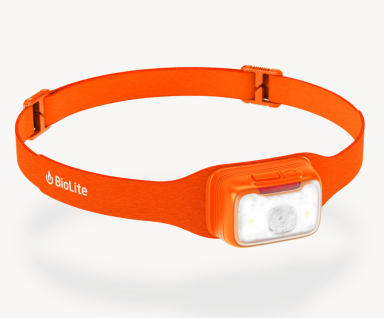
Best Larger Backup Power Option — BioLite BaseCharge 500
The BioLite BaseCharge 500 is more than a pocket power bank. It is a larger backup power option for travelers who need more serious charging capacity for road trips, cabins, camping, photography, laptops, or vehicle-based travel.
This is not something every Alaska traveler needs, but it can be very useful if you are spending time away from outlets or managing multiple devices. It makes more sense for road trips and basecamp-style travel than for carrying around town or taking on short cruise excursions.
If you are building a more complete Alaska travel power system, a larger unit like this can support smaller power banks, phones, camera batteries, tablets, and other essentials.
Best for: Road trips, cabins, camping, vehicle travel, photography, multiple devices, and travelers who need more than pocket-sized backup power.
Check Price on AmazonPower Bank Comparison Chart
| Product | Best For | Power Type | Best Use | Portability | Alaska Suitability | Price Range |
|---|---|---|---|---|---|---|
| Anker 737 Power Bank | Best Overall | High-capacity power bank | Travel and electronics | Good | Excellent | $$$ |
| INIU 25000mAh Power Bank | Budget Capacity | High-capacity power bank | Phones and tablets | Good | Very Good | $$ |
| Anker Prime Power Bank | Premium Charging | Fast-charge power bank | USB-C devices | Good | Excellent | $$$$ |
| UGREEN Nexode Power Bank | USB-C Travel | USB-C power bank | Travel tech | Good | Very Good | $$$ |
| Goal Zero Venture 75 | Rugged Outdoor Use | Rugged power bank | Camping and outdoor travel | Very Good | Excellent | $$$ |
| BioLite BaseCharge 500 | Larger Backup Power | Portable power station | Vehicle and basecamp use | Fair | Very Good | $$$$ |
Why Backup Power Matters in Alaska
Backup power matters in Alaska because your phone often does more than make calls. It may be your map, camera, weather checker, boarding pass, reservation holder, flashlight, emergency contact tool, and entertainment during long travel days.
Alaska also has long distances between services. A dead phone is frustrating anywhere, but it is especially frustrating when you are between towns, waiting through construction, sitting on a ferry, or trying to navigate somewhere with limited service.
A good power bank gives you breathing room. It keeps small battery problems from becoming major travel stress.
How Much Capacity Do You Need?
For basic travel, a mid-sized power bank may be enough to recharge a phone once or twice. For Alaska road trips, photography days, family travel, or multiple devices, higher capacity becomes more useful.
If you are only charging one phone during a cruise excursion, you do not need the largest power bank available. If you are charging phones, tablets, camera batteries, GPS devices, headphones, and maybe a laptop, you need a more capable setup.
Think about your longest day away from outlets. That is the day your power bank needs to support.
Power Banks for Phones and Travel Days
For most travelers, the phone is the most important device to keep charged. It handles maps, photos, messages, tickets, reservations, and emergency communication. That makes a power bank one of the most practical items in your day pack.
Phone batteries drain quickly when you are taking photos, recording videos, checking maps, and searching for service. Cold weather can make this worse, and long travel days give you fewer chances to plug in.
For regular travel days, a dependable power bank in your backpack or purse is usually enough to prevent the most common battery problems.
Power Banks for Cameras and Photography
Photography changes your power needs. If you are shooting wildlife, landscapes, northern lights, cruise excursions, or road trip stops, you may be charging camera batteries, phones, drones, action cameras, or portable storage devices.
Alaska is a place where people take a lot of photos. That means batteries drain faster than they would on a normal trip. A stronger power bank or larger charging setup can be worth it if photography is a major part of your travel plans.
If you are bringing dedicated camera gear, do not rely on one phone-sized charger. Build a small charging system that fits your devices.
Power Banks for Alaska Road Trips
Road trips are one of the best reasons to carry backup power. Alaska drives are long, and you may go hours between towns. You may also run into construction delays, weather delays, long photo stops, or areas where you are using your phone heavily for maps and photos.
A vehicle charger is helpful, but it should not be your only plan. If the vehicle is off, occupied, broken down, or already charging several devices, a separate power bank becomes very useful.
For road trips, I like having at least one strong power bank in the vehicle and one smaller charging option that can go in a day pack.
Cold Weather and Battery Life
Cold weather can drain batteries faster. This matters for winter travel, northern lights viewing, shoulder season trips, and early morning outdoor activities. Phones, cameras, GPS devices, and power banks can all be affected.
Keep electronics warm when possible. A power bank stored deep in a bag or inside a jacket pocket will usually perform better than one left exposed in freezing temperatures.
For winter Alaska travel, backup power is not just convenient. It can be part of your safety system, especially if you depend on your phone for communication, maps, or roadside help.
Common Power Bank Mistakes
One common mistake is buying a cheap power bank with too little capacity. It may work for a short errand day, but it can fall short during real Alaska travel where your phone is working hard all day.
Another mistake is forgetting the right cords. A power bank is useless if you do not have the cable your device needs. Pack charging cables in the same organizer or bag as the power bank.
A third mistake is forgetting to recharge the power bank itself. Make charging part of your nightly routine during the trip, especially before long drives, excursions, or remote days.
Frequently Asked Questions
Do I need a power bank for Alaska?
Yes, I strongly recommend bringing one. Alaska travel often involves long days away from outlets, heavy phone use, limited service, and lots of photos. Even if you are not going remote, a power bank can save you from dealing with a dead phone during flights, excursions, road trips, ferry rides, or long sightseeing days.
What size power bank should I bring to Alaska?
For casual travelers, a medium-capacity power bank may be enough for phone charging. For road trips, photography, family travel, or multiple devices, a higher-capacity option is better. The right size depends on how many devices you need to charge and how long you will be away from outlets.
Can I bring a power bank on a plane?
Most power banks need to travel in carry-on luggage, not checked luggage. Airline rules can vary by battery size, so check current airline and TSA guidance before you fly. For most standard travel power banks, carry-on packing is the safest assumption.
Are power banks useful on Alaska cruises?
Yes. Cruise excursions can be long, and phones often drain quickly from photos, videos, maps, and communication. A power bank in your day pack can be very useful during port days, especially if you are whale watching, hiking, taking bus tours, or spending hours away from your cabin.
Do power banks work in cold weather?
They do, but cold can reduce battery performance. In winter or cold shoulder-season travel, keep your power bank warm when possible. Store it inside a pack, jacket, or insulated pocket instead of leaving it exposed to freezing temperatures for long periods.
Should I bring one large power bank or several smaller ones?
For many Alaska trips, one strong power bank is enough. For road trips, photography, or family travel, having one larger power bank plus a smaller day-pack charger can be more practical. That way your main backup power stays in the vehicle or lodging, while the smaller one goes with you during excursions.
Final Thoughts
The best power bank for Alaska depends on how you travel and how many devices you rely on. For most visitors, the Anker 737 Power Bank is a strong overall choice because it offers dependable power for phones, tablets, cameras, and travel tech.
If you need a budget-friendly high-capacity charger, the INIU 25000mAh is a practical option. If you want rugged outdoor power, the Goal Zero Venture 75 makes sense. If you need larger backup power for road trips or basecamp-style travel, the BioLite BaseCharge 500 is worth considering.
Alaska travel is easier when your devices stay charged. A good power bank helps keep your phone, camera, GPS, and travel tools working when outlets are not nearby.