
Alaska Travel Mistakes to Avoid: Common Errors Visitors Make and How to Prevent Them
Alaska Travel Mistakes to Avoid: Common Errors Visitors Make and How to Prevent Them
Planning a trip to Alaska is exciting, but Alaska is not like most destinations in the Lower 48. Distances are larger, weather changes quickly, services can be limited, and what works on a vacation elsewhere may not work here.
The good news is that most travel mistakes in Alaska are easy to avoid with a little preparation. Here are some of the most common mistakes visitors make and what you can do instead.
1. Underestimating How Big Alaska Really Is
One of the biggest mistakes visitors make is assuming Alaska can be explored like a typical state road trip. Alaska is enormous. Driving from Fairbanks to Seward is not the same as driving between towns in most parts of the country.
Many visitors try to pack too many destinations into a short amount of time and end up spending most of their vacation in a vehicle.
Instead:
-
Pick fewer destinations.
-
Allow extra travel time.
-
Plan for stops, weather, wildlife, and construction delays.
-
Leave room in your schedule to be flexible.
In Alaska, slowing down usually results in a better trip.
2. Trusting Google Maps Travel Times
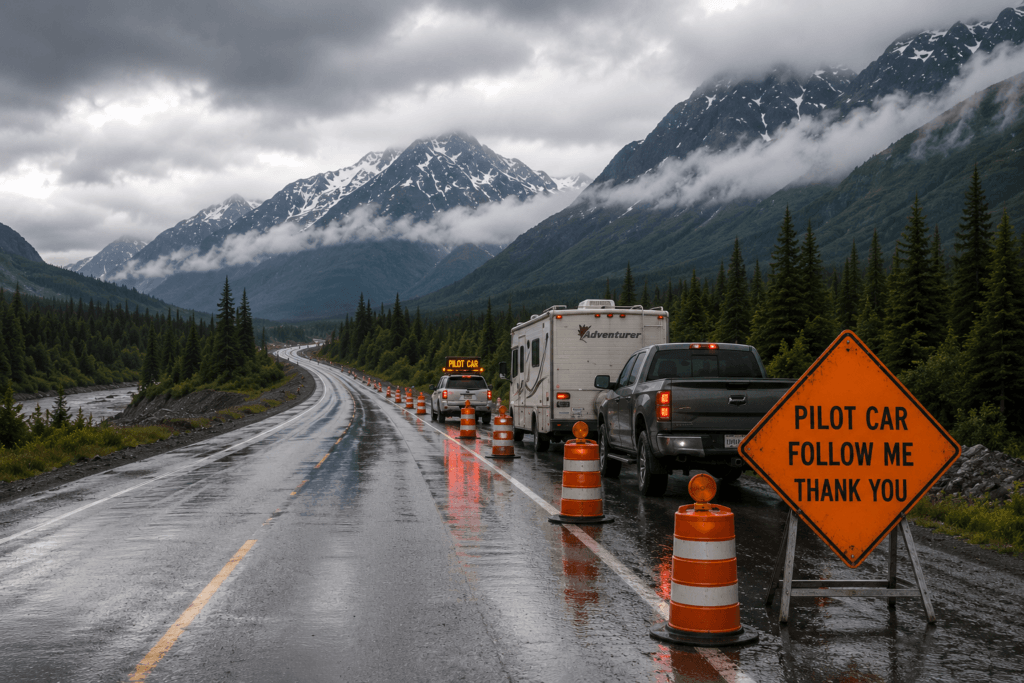
Google Maps can tell you how far a destination is, but it does not always account for summer road construction, pilot cars, wildlife traffic jams, weather delays, or road conditions.
A drive that appears to take four hours can easily become five or six hours during peak summer construction season.
Instead:
-
Add extra travel time to every road trip.
-
Check current road conditions before leaving.
-
Build flexibility into your itinerary.
-
Never schedule important activities immediately after a long drive.
3. Packing for Summer Like You’re Going to Hawaii
Many visitors hear “summer in Alaska” and imagine warm, sunny weather every day. While Alaska can be beautiful in the summer, it can also be rainy, windy, cold, or all of the above in a single afternoon.
Instead:
-
Bring layers.
-
Pack waterproof clothing.
-
Bring warm clothing, even in summer.
-
Pack a rain jacket regardless of the forecast.
The weather forecast is helpful. Your backup layers are essential.
4. Bringing the Wrong Footwear
New shoes, fashion boots, and lightweight sneakers often don’t last long in Alaska.
Wet trails, uneven terrain, gravel roads, mud, and changing weather conditions can make poor footwear choices miserable very quickly.
Instead:
-
Bring comfortable, broken-in footwear.
-
Pack waterproof shoes or boots whenever possible.
-
Consider what activities you actually plan to do.
-
Bring extra socks.
Your feet will determine how much you enjoy your trip.
5. Forgetting About Mosquitoes and Insects
Many visitors are surprised by Alaska’s mosquitoes, especially in Interior Alaska and during the summer months.
The bugs are not everywhere all the time, but when conditions are right, they can be relentless.
Instead:
-
Pack insect repellent.
-
Consider bringing a head net.
-
Wear lightweight long sleeves when appropriate.
-
Be prepared for mosquitoes if traveling inland during summer.
6. Assuming Cell Service Exists Everywhere
Cell coverage in Alaska is far more limited than many visitors expect.
There are large areas of Alaska where your phone simply will not work.
Instead:
-
Download offline maps.
-
Save important phone numbers.
-
Tell someone where you are going.
-
Carry backup navigation when traveling in remote areas.
A fully charged phone is useful. A backup plan is better.
7. Not Planning Fuel Stops
Gas stations can be far apart in Alaska, particularly on major road trips and in remote areas.
Waiting until your fuel tank is low is never a good strategy.
Instead:
-
Fill up more often than you think you need to.
-
Know where your next fuel stop is located.
-
Carry extra snacks and water.
-
Keep emergency supplies in your vehicle.
The rule many Alaskans follow is simple: if you see gas and you’re below half a tank, consider stopping.
8. Overpacking
Many visitors bring far more than they actually need.
Heavy luggage creates extra work, costs more on flights, and often ends up staying in the hotel room.
Instead:
-
Pack versatile clothing.
-
Focus on layers rather than bulky items.
-
Bring gear that serves multiple purposes.
-
Prioritize comfort and practicality.
You do not need everything you own. You need the right gear for your trip.
9. Trying to Do Too Much
Alaska has a way of making visitors want to see everything.
Unfortunately, trying to visit Anchorage, Denali, Fairbanks, Seward, Homer, Valdez, and several glaciers in one week usually results in a lot of driving and very little enjoying.
Instead:
-
Choose a region.
-
Spend more time in fewer places.
-
Allow for weather changes and unexpected discoveries.
-
Accept that you’ll probably want to come back.
Many of the best Alaska experiences happen when you slow down.
10. Not Having a Backup Plan
Weather delays happen.
Road construction happens.
Ferry schedules change.
Tours get canceled.
Wildlife decides to stand in the middle of the highway.
Flexibility is one of the most important things you can pack for Alaska.
Instead:
-
Have backup activities planned.
-
Build extra time into your itinerary.
-
Carry emergency supplies.
-
Expect plans to change occasionally.
The travelers who enjoy Alaska the most are usually the ones who adapt the best.
Final Thoughts
Alaska rewards preparation, patience, and flexibility.
You do not need to plan for every possible problem, but understanding how Alaska travel works can make your trip far more enjoyable.
Pack layers. Allow extra time. Bring backup plans. Stop for gas more often than you think you need to. And remember that some of the best Alaska experiences happen when things do not go exactly according to plan.
That’s part of the adventure.