
Wildlife Photography Tips for Alaska: Better Photos & Safer Viewing
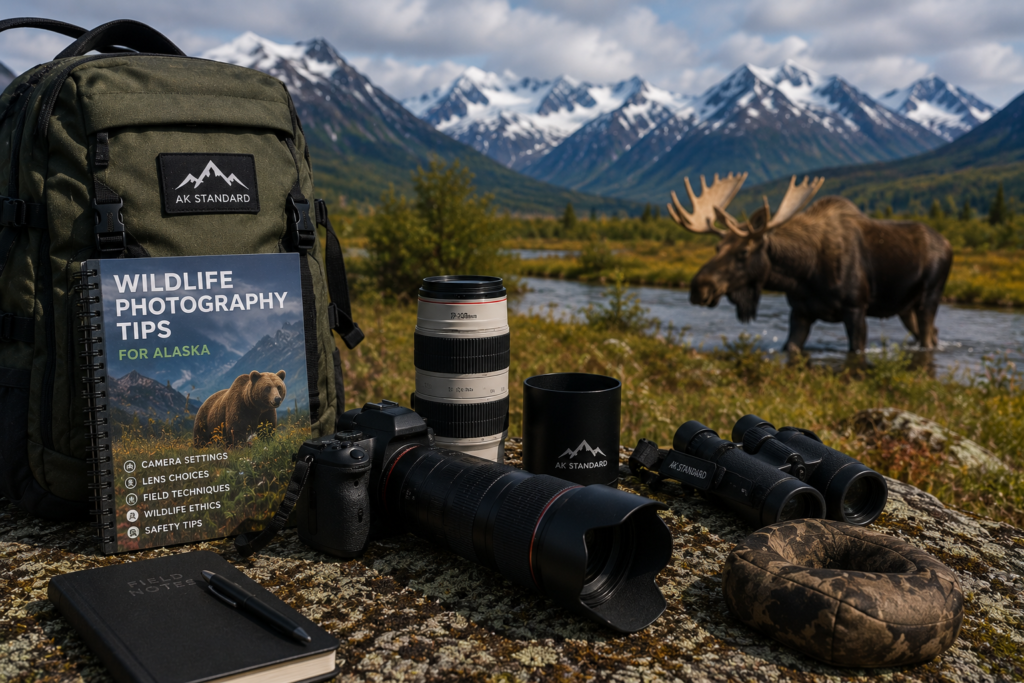
Wildlife Photography Tips for Alaska: Better Photos & Safer Viewing
Alaska offers some of the best wildlife photography opportunities in North America. Moose browse along roadsides, bears feed on salmon streams, bald eagles gather along rivers, and whales surface in coastal waters. The challenge is that wildlife photography often requires patience, preparation, and realistic expectations.
The best wildlife photos rarely come from luck alone. Understanding animal behavior, having the right equipment, and respecting safe viewing distances will dramatically improve your results. This guide covers practical wildlife photography tips that can help you capture better images while keeping both yourself and the animals safe.
Start with Realistic Expectations
One of the biggest mistakes people make is assuming wildlife will be close enough for phone photos or short lenses. While Alaska does provide incredible viewing opportunities, animals are often much farther away than they appear. Distance is normal and should be expected.
Professional-looking wildlife photos are usually the result of good equipment, patience, and time spent observing animals. Some days you may see dozens of animals, while other days you may spend hours searching without success.
Wildlife photography rewards patience more than almost any other photography discipline.
Respect Wildlife First
The most important rule of wildlife photography is simple: the animal comes first. No photo is worth stressing an animal, creating dangerous situations, or encouraging poor behavior. Your goal should always be to observe and photograph without interfering.
If an animal changes its behavior because of your presence, you are likely too close. Back away, give it more space, and allow it to continue its natural activities. Good wildlife photographers think about animal welfare before they think about camera settings.
Understand Animal Behavior
The best wildlife photographers spend time watching animals instead of constantly pressing the shutter button. Understanding behavior helps you anticipate movement, predict opportunities, and position yourself more effectively.
A feeding bear, a browsing moose, or an eagle scanning for fish often gives clues about what may happen next. Paying attention to these details can help you capture more interesting and natural photographs.
The more time you spend observing, the more opportunities you will notice.
Best Times for Wildlife Photography
Early morning and late evening are often the most productive times for wildlife photography. Animals are frequently more active during cooler parts of the day, and the lighting is usually much better for photography.
Midday light can be harsh and unflattering, especially during summer. Softer light near sunrise and sunset often produces richer colors, better contrast, and more appealing images.
If you can choose when to be in the field, these periods are usually worth prioritizing.
Choosing the Right Camera
You do not need the most expensive camera available, but wildlife photography does benefit from certain features. Fast autofocus, good low-light performance, and strong burst shooting capabilities can all make a difference.
Modern mirrorless and DSLR cameras are both capable of producing excellent wildlife images. Learning how to use your camera effectively is usually more important than constantly upgrading equipment.
A camera you know well will often outperform a more expensive camera you barely understand.
Choosing the Right Lens
Lenses are often more important than camera bodies for wildlife photography. Animals are frequently much farther away than expected, and a telephoto lens allows you to fill the frame without approaching too closely.
For larger animals like moose and bears, moderate telephoto lenses can work well. For birds and more distant subjects, longer focal lengths become increasingly valuable.
If wildlife photography is one of your main goals in Alaska, investing in reach is usually a good decision.
- Telephoto zoom lenses
- Long wildlife lenses
- Image stabilization
- Weather-resistant lenses
- Fast autofocus performance
Photographing Moose
Moose are among Alaska's most photographed animals because they are relatively common and often found near roads, trails, and developed areas. Their size can make them seem calm and approachable, but they deserve plenty of respect.
Use a telephoto lens and avoid trying to get close for a better photo. Moose can move surprisingly fast and may become defensive if they feel threatened. Patience and distance usually produce better photos than aggressive positioning.
Photographing Bears
Bear photography is one of the biggest reasons many photographers visit Alaska. Brown bears and black bears provide incredible opportunities, but safety should always remain the priority.
Long lenses allow you to capture detailed images while maintaining appropriate distance. Never approach bears for photography and never position yourself in a way that could alter their natural behavior. Responsible bear photography helps protect both wildlife and future viewing opportunities.
Photographing Eagles & Birds
Bird photography often requires more reach than people expect. Eagles, owls, shorebirds, and waterfowl can all be challenging subjects because they are small, fast-moving, and easily disturbed.
Fast shutter speeds become especially important when photographing birds in flight. Practice tracking moving subjects and be prepared to take many photos for every keeper image. The reward is often worth the effort when everything comes together.
Using a Tripod or Monopod
Long lenses can become heavy over the course of a day. A tripod or monopod helps stabilize equipment and reduce fatigue, especially during long observation periods.
Tripods are particularly useful when waiting for wildlife activity in a specific area. Monopods provide additional mobility while still offering support for larger lenses. The right support system can improve both image quality and comfort.
Weather & Wildlife Photography
Alaska weather changes quickly, and wildlife does not stop moving just because conditions become less comfortable. Rain, snow, fog, and overcast skies often create some of the most interesting wildlife photography opportunities.
Protect your equipment with rain covers, dry bags, and weather-resistant gear whenever possible. A little preparation can prevent expensive equipment problems. Do not automatically pack up when weather changes. Some of the best wildlife images happen during less-than-perfect conditions.
Common Wildlife Photography Mistakes
Many photographers focus too much on equipment and not enough on fieldcraft. Better observation, patience, and positioning often improve photos more than buying new gear.
Another common mistake is filling every frame tightly with the animal. Including habitat can help tell a more complete story and provide context for the image.
Finally, remember to spend some time simply enjoying the wildlife experience instead of viewing everything through a lens.
What to Pack for Wildlife Photography
Wildlife photography often involves long periods outdoors. Comfort, safety, and preparation are just as important as camera equipment.
Having the right clothing and accessories can make it easier to stay in the field long enough to capture great images.
- Camera body
- Telephoto lens
- Extra batteries
- Memory cards
- Tripod or monopod
- Rain cover
- Lens cloth
- Water
- Snacks
- Extra layers
- Binoculars
Related Alaska Photography & Tech Guides
These guides can help you improve your wildlife photography setup and prepare for additional photography opportunities throughout Alaska.
- Wildlife Photography Gear for Alaska
- Best Cameras for Alaska Travel
- Best Tripods for Wildlife Photography in Alaska
- Alaska Photography Packing List
- How to Photograph the Northern Lights in Alaska
- Battery Management for Alaska Adventures
Final Thoughts
Wildlife photography in Alaska can be incredibly rewarding, but it requires patience, preparation, and respect for the animals you are photographing. The best images often come from slowing down, observing behavior, and allowing opportunities to develop naturally.
Focus on safety, maintain appropriate distances, and build a photography setup that matches your goals. With a little preparation and realistic expectations, Alaska can provide some of the most memorable wildlife photography experiences you'll ever have.