
Disclosure: This page may contain affiliate links. As an Amazon Associate, I earn from qualifying purchases at no extra cost to you.
A good tripod can make a real difference in Alaska wildlife photography. Long lenses get heavy, animals do not always move on your schedule, and low light can make handheld shots harder than expected. If you are waiting on moose, bears, eagles, caribou, or distant landscape scenes, a tripod gives your camera the stability it needs.
The best tripods for wildlife photography in Alaska should be sturdy enough for long lenses, light enough to actually carry, and reliable enough to use in wind, uneven ground, wet conditions, and long travel days. Alaska is not always gentle on gear, so a flimsy tripod can become frustrating fast.
This guide covers practical tripod options for Alaska wildlife photography, including travel tripods, heavier-duty supports, value picks, and compact systems for photographers who need stability without carrying unnecessary weight.
Quick Navigation
- Quick Picks
- Best Tripods for Wildlife Photography in Alaska
- Tripod Comparison Chart
- Why Tripods Matter for Alaska Wildlife Photography
- Stability Matters More Than Specs
- Weight and Packability
- Using Tripods on Alaska Terrain
- Wind, Weather, and Cold Conditions
- Tripod Heads and Wildlife Photography
- Frequently Asked Questions
- Final Thoughts
Quick Picks
- Best Overall: Peak Design Travel Tripod
- Best Travel Tripod: Manfrotto Befree Advanced
- Best Wildlife Tripod: Vanguard VEO 3+
- Best Value: K&F Concept Carbon Fiber Tripod
- Best Compact Option: JOBY RangePod
- Best Heavy-Duty Wildlife Support: Leofoto LS-324C
Best Tripods for Wildlife Photography in Alaska
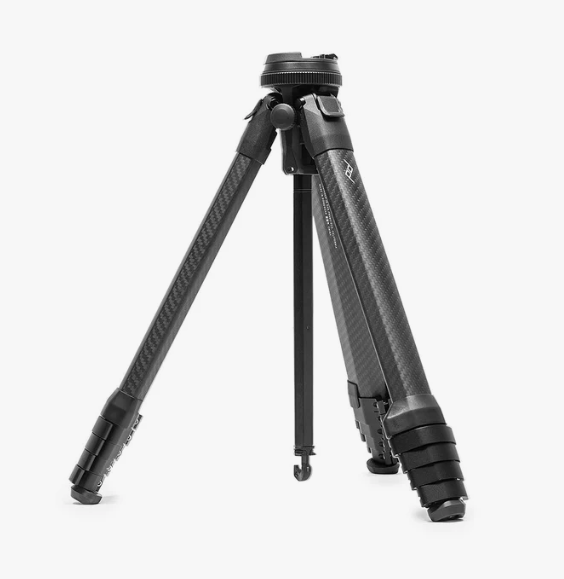
Best Overall — Peak Design Travel Tripod
The Peak Design Travel Tripod is a strong all-around option for Alaska photographers because it balances stability, packability, and ease of use. It packs down smaller than many traditional tripods, which helps when you are traveling with cameras, lenses, rain gear, snacks, and everything else Alaska seems to require.
This tripod makes sense for travelers who want something they will actually bring along. It is useful for wildlife viewing areas, road trips, scenic pullouts, northern lights attempts, and landscape photography where a stable setup matters.
Best for: Alaska travel photography, wildlife viewing, road trips, landscapes, northern lights, and photographers who want one practical tripod.
Check Price on Amazon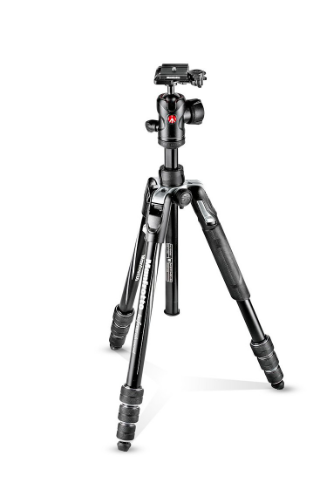
Best Travel Tripod — Manfrotto Befree Advanced
The Manfrotto Befree Advanced is a practical travel tripod for photographers who want a recognizable, dependable option without carrying a large studio-style setup. It is designed for travel and works well for people who need stability but still care about size and weight.
For Alaska, this is useful on road trips, cruises, day hikes, and scenic stops where you want a tripod but do not want to feel overloaded. It is a good fit for landscapes, general travel photography, and lighter wildlife setups.
Best for: Travel photography, Alaska cruises, road trips, lighter camera setups, landscapes, and photographers who want a proven travel tripod.
Check Price on Amazon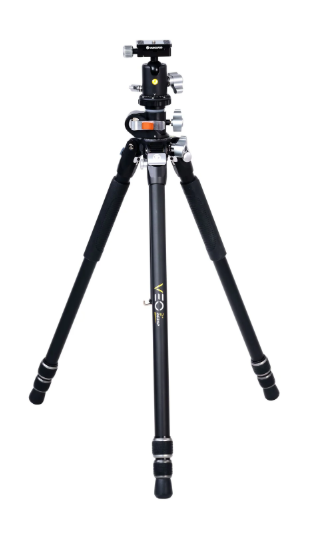
Best Wildlife Tripod — Vanguard VEO 3+
The Vanguard VEO 3+ is a strong choice for photographers who want more support for wildlife and outdoor photography. Long lenses need better stability than casual travel cameras, especially when you are waiting for animals at a distance.
This tripod fits Alaska wildlife situations where you may be glassing or photographing from one location for a while. It can work well at pullouts, wetlands, riverbanks, coastal viewpoints, and wildlife viewing areas where stability matters more than ultra-light packing.
Best for: Wildlife photography, long lenses, road-based shooting, scenic viewpoints, and photographers who want more support than a basic travel tripod.
Check Price on Amazon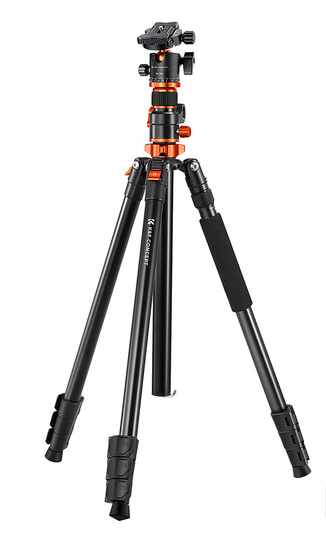
Best Value — K&F Concept Carbon Fiber Tripod
The K&F Concept Carbon Fiber Tripod is a good value option for travelers who want carbon fiber benefits without moving into the highest price range. Carbon fiber can help reduce weight, which matters when you are already carrying camera gear, water, layers, and Alaska travel essentials.
This tripod makes sense for photographers who want something lighter than many aluminum options but still useful for landscapes, travel, and moderate wildlife setups. It is a practical pick for people building their photography kit without spending premium tripod money.
Best for: Value-focused photographers, travel, landscapes, lighter wildlife setups, hiking, and Alaska trips where weight matters.
Check Price on Amazon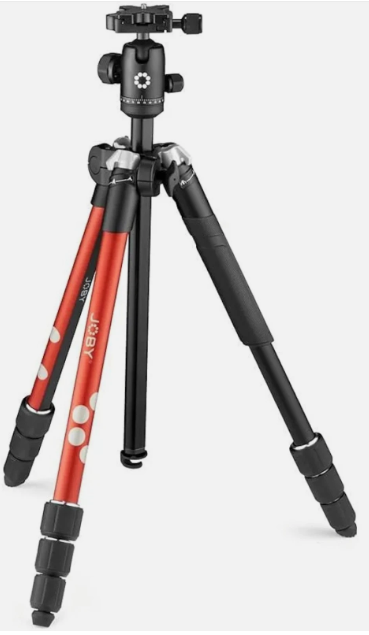
Best Compact Option — JOBY RangePod
The JOBY RangePod is a compact tripod option for photographers who want something easier to pack and use on the move. It is useful for lighter camera setups, travel videos, self-timer shots, quick landscapes, and situations where a full-size wildlife tripod may feel like too much.
For Alaska, compact tripods can be helpful when you want basic stability without committing to a heavy setup. This is not the first choice for giant wildlife lenses, but it can be useful for casual travel photography, content creation, and smaller camera systems.
Best for: Compact travel setups, video, casual photography, lighter cameras, quick landscapes, and travelers who want an easier tripod to pack.
Check Price on Amazon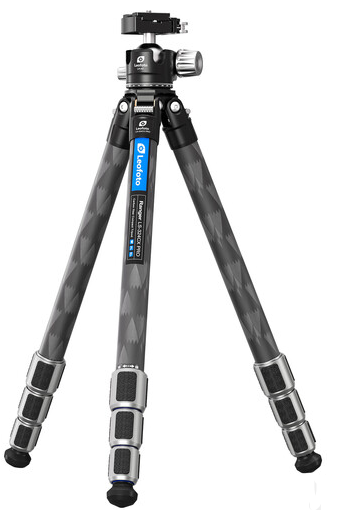
Best Heavy-Duty Wildlife Support — Leofoto LS-324C
The Leofoto LS-324C is a better fit for photographers who care more about stability than saving every ounce. Wildlife photography with long lenses often benefits from a stronger support system, especially when wind, uneven ground, or longer waiting periods are involved.
This tripod makes sense for serious wildlife photographers, road-based shooting, bear viewing trips, bird photography, and situations where you may be set up for a while. It is more tripod than many casual travelers need, but it can be a strong choice for dedicated photography trips.
Best for: Serious wildlife photography, long lenses, bird photography, bear viewing, road-based shooting, and photographers who prioritize stability.
Check Price on AmazonTripod Comparison Chart
| Product | Best For | Tripod Style | Stability | Packability | Wildlife Use | Alaska Suitability | Price Range |
|---|---|---|---|---|---|---|---|
| Peak Design Travel Tripod | Best Overall | Travel Tripod | Very Good | Excellent | Good | Excellent | $$$ |
| Manfrotto Befree Advanced | Travel Tripod | Travel Tripod | Good | Very Good | Good | Very Good | $$ |
| Vanguard VEO 3+ | Wildlife Tripod | Outdoor Tripod | Excellent | Good | Very Good | Excellent | $$ |
| K&F Concept Carbon Fiber Tripod | Best Value | Carbon Fiber Tripod | Good | Very Good | Good | Very Good | $$ |
| JOBY RangePod | Compact Option | Compact Tripod | Good | Very Good | Fair | Good | $ |
| Leofoto LS-324C | Heavy-Duty Wildlife Support | Carbon Fiber Support | Excellent | Good | Excellent | Excellent | $$$ |
Why Tripods Matter for Alaska Wildlife Photography
Wildlife photography in Alaska often involves waiting. You may spend time watching a riverbank, scanning a wetland, looking across a valley, or waiting for an eagle to move from a tree. Holding a long lens the entire time gets tiring fast.
A tripod helps take the weight off your arms and gives you a more stable shooting platform. That can lead to sharper photos, especially when using longer focal lengths or shooting in lower light. It also helps you stay ready without constantly lifting and lowering your camera.
Tripods are not only for wildlife. They are also helpful for northern lights photography, landscapes, waterfalls, long exposures, video, and self-timer shots. In Alaska, one good tripod can support several different types of photography.
Stability Matters More Than Specs
It is easy to get distracted by tripod specs, but the real question is simple: does it hold your camera steady in the conditions you actually face? Alaska can bring wind, uneven ground, wet rocks, gravel pullouts, tundra, boardwalks, boat decks, and snow.
A tripod that looks fine indoors may feel shaky outside. This is especially true when using long lenses, shooting in wind, or extending the center column too high. Stability matters more than having the lightest tripod possible.
That said, the most stable tripod in the world does not help if you leave it behind because it is too heavy. The trick is finding the balance between support and carryability.
Weight and Packability
Weight matters in Alaska because photography gear is rarely the only thing you are carrying. You may also have rain gear, water, snacks, bear spray, extra layers, binoculars, batteries, and normal travel essentials. A heavy tripod can become one more reason to leave gear in the vehicle.
Travel tripods are useful because they are easier to bring on cruises, road trips, flights, and day tours. Heavier tripods are better when you are working with long lenses from a stable location. The right choice depends on how you actually travel.
If you are hiking long distances, choose something lighter. If you are mostly photographing from pullouts, platforms, boats, or short walks from the vehicle, you can justify more stability and weight.
Using Tripods on Alaska Terrain
Alaska terrain is rarely perfectly flat. You may be setting up on gravel, mud, boardwalks, tundra, rocky beaches, snow, wet grass, or uneven trails. A tripod with adjustable legs is important because each leg may need a different angle or length.
Take time to set the tripod properly instead of rushing. A poorly placed tripod can shift, tip, or vibrate at the worst moment. This matters even more when your camera and lens are expensive.
For wildlife photography, think about where you can safely and legally stand while keeping distance from animals. The best tripod position is not always the closest position. It is the one that keeps you stable, safe, and respectful of wildlife.
Wind, Weather, and Cold Conditions
Wind is one of the biggest tripod challenges in Alaska. Open valleys, coastal areas, riverbars, mountain viewpoints, and glacier areas can all be breezy. Even a small amount of vibration can soften images when using long lenses.
Keep the tripod lower when conditions are windy. Avoid raising the center column unless you really need it. Hanging weight from the tripod can sometimes help, but make sure it does not swing in the wind and make vibration worse.
Cold weather also matters. Metal tripod legs can be uncomfortable to handle in winter, and locks may feel stiffer when temperatures drop. Gloves and a little patience go a long way.
Tripod Heads and Wildlife Photography
The tripod legs are only part of the setup. The head matters too, especially for wildlife photography. You need to move smoothly while following animals, adjusting composition, and reacting to movement.
Ball heads are common and simple, which makes them useful for travel and general photography. For serious wildlife photography with large lenses, some photographers prefer gimbal heads or fluid heads because they make panning easier.
You do not need the most advanced head to start. But if your tripod feels frustrating, the problem may be the head rather than the legs. Smooth control makes wildlife photography much more enjoyable.
Tripods for Northern Lights and Landscapes
Even though this guide focuses on wildlife photography, tripods are also essential for northern lights photography. Long exposures require a stable camera. Handholding simply does not work well for aurora shots.
Landscape photography also benefits from tripod use, especially at sunrise, sunset, waterfalls, cloudy weather, and lower light conditions. A tripod gives you more control and can help you slow down long enough to compose better images.
If you are already bringing a tripod for wildlife, think about how it can support the rest of your Alaska photography. One good tripod can cover wildlife, landscapes, aurora, video, and travel photos.
Do You Actually Need a Tripod?
Not every traveler needs a tripod. If you are mostly taking casual photos with a phone or small camera, you may not use one enough to justify the space. If photography is a major goal, a tripod becomes much more useful.
You should strongly consider one if you plan to photograph wildlife with long lenses, shoot the northern lights, film video, or take serious landscape photos. You should also consider one if you know you will be waiting in one place for wildlife activity.
The best tripod is the one that fits your trip. A serious wildlife photographer and a casual cruise traveler do not need the same support system.
Common Tripod Mistakes
One common mistake is buying the cheapest tripod available and expecting it to support a real camera setup. Lightweight budget tripods can work for small cameras, but they often struggle with long lenses, wind, and uneven ground.
Another mistake is carrying a tripod but never using it because it is inconvenient. If your tripod is too heavy, too slow to set up, or hard to pack, it may stay in the car. That does not help your photos.
A third mistake is extending the center column too much. That can make the tripod less stable. In wind or with long lenses, keeping the setup lower and sturdier usually produces better results.
Frequently Asked Questions
Do I need a tripod for wildlife photography in Alaska?
You do not always need one, but a tripod can help a lot with long lenses, waiting periods, low light, and sharper images. It is especially useful if wildlife photography is one of your main goals.
What type of tripod is best for Alaska travel?
For most travelers, a stable travel tripod is the best balance. Serious wildlife photographers may want a heavier-duty tripod, while casual travelers may prefer something smaller and easier to pack.
Is carbon fiber worth it?
Carbon fiber can be worth it if you care about reducing weight. It is especially useful for hiking, travel, and carrying gear for long days. Aluminum can still work well if budget matters more than weight.
Can I use a tripod for northern lights photography too?
Yes. A tripod is essential for northern lights photography because aurora shots require longer exposures. If you plan to photograph the northern lights, a tripod should be on your packing list.
What tripod is best for long lenses?
Long lenses need more support than small travel cameras. Look for a sturdy tripod with good load capacity and a smooth head. Heavier-duty options are usually better for serious wildlife photography.
Should I bring a tripod on an Alaska cruise?
If you care about photography, yes, but choose one that is compact enough to travel with easily. A tripod can help with landscapes, northern lights, low light, and stable shots from shore excursions.
Final Thoughts
The best tripod for wildlife photography in Alaska depends on how serious you are, how much weight you are willing to carry, and what kind of camera setup you use. For most travelers, the Peak Design Travel Tripod is a strong all-around choice because it balances stability and packability.
The Manfrotto Befree Advanced is a practical travel tripod, while the Vanguard VEO 3+ gives more support for wildlife. The K&F Concept Carbon Fiber Tripod is a good value pick, the JOBY RangePod works for compact setups, and the Leofoto LS-324C is better suited for serious wildlife support.
Alaska gives you plenty of reasons to slow down and set up the shot. A good tripod helps you stay steady, stay ready, and bring home sharper photos when wildlife, weather, and light finally come together.