
Disclosure: This page may contain affiliate links. As an Amazon Associate, I earn from qualifying purchases at no extra cost to you.
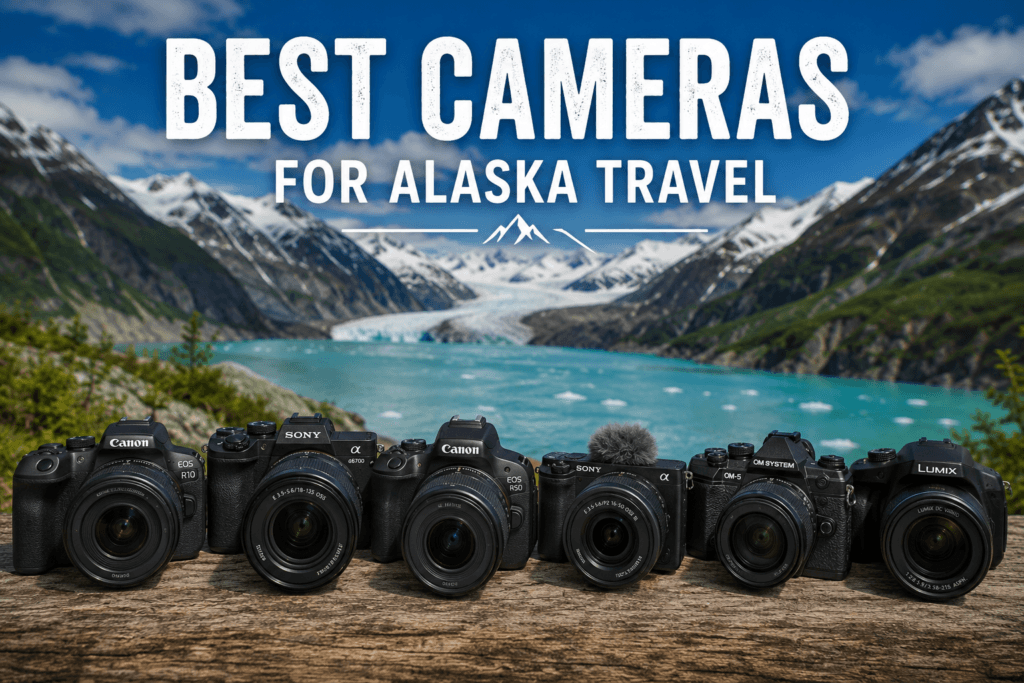
Choosing the best camera for Alaska travel depends on the kind of trip you are taking. A cruise passenger photographing glaciers, a road-tripper watching for moose, a northern lights chaser, and a wildlife photographer waiting for bears all have different needs.
Alaska is hard on camera gear. Weather changes quickly, wildlife is often farther away than people expect, batteries drain faster in the cold, and some of the best photo opportunities happen fast. The right camera should be easy enough to carry, capable enough to handle changing conditions, and ready when the moment happens.
This guide covers some of the best cameras for Alaska travel, including options for beginners, wildlife photography, content creators, weather protection, and travelers who want a practical camera setup without overcomplicating the trip.
Quick Navigation
- Quick Picks
- Best Cameras for Alaska Travel
- Camera Comparison Chart
- Why Camera Choice Matters in Alaska
- Wildlife Photography Considerations
- Landscape and Travel Photography
- Northern Lights Photography
- Weather Protection in Alaska
- Battery Life and Cold Weather
- How Many Lenses Should You Bring?
- Frequently Asked Questions
- Final Thoughts
Quick Picks
- Best Overall Travel Camera: Canon EOS R10
- Best Premium Travel Camera: Sony Alpha a6700
- Best Beginner Camera: Canon EOS R50
- Best Travel Content Creator Camera: Sony ZV-E10 II
- Best Weather-Sealed Travel Camera: OM SYSTEM OM-5
- Best Budget Wildlife Travel Camera: Panasonic Lumix FZ80D
Best Cameras for Alaska Travel
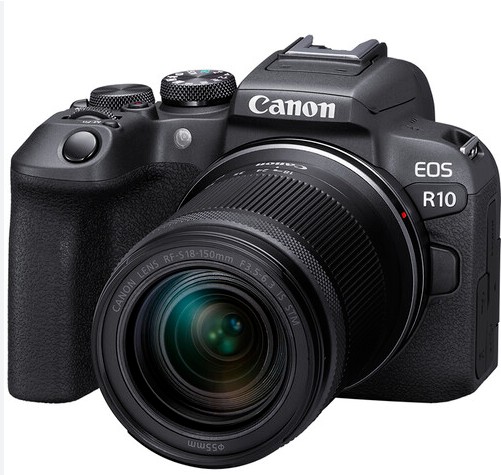
Best Overall Travel Camera — Canon EOS R10
The Canon EOS R10 is a strong all-around camera for Alaska travelers because it balances size, performance, autofocus, and image quality. It is capable enough for wildlife, landscapes, road trips, cruises, and everyday travel photography without feeling like an oversized professional setup.
For Alaska, that balance matters. You want a camera that can handle a moose stepping out near the road, a glacier view from a boat, or a mountain scene that suddenly appears when the clouds break. The R10 gives travelers room to grow without being overly complicated.
Best for: Alaska road trips, cruises, wildlife viewing, beginner-to-intermediate photographers, and travelers who want one dependable camera body.
Check Price on Amazon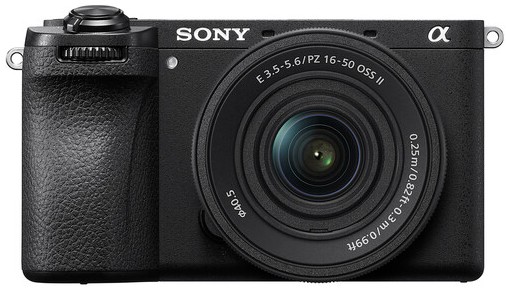
Best Premium Travel Camera — Sony Alpha a6700
The Sony Alpha a6700 is a premium APS-C mirrorless camera that makes sense for travelers who want excellent photo and video performance in a compact body. It is especially appealing for people who care about autofocus, image quality, and hybrid shooting.
In Alaska, a camera like this is useful because you may want to switch between still photos, video clips, wildlife, landscapes, and travel moments throughout the same day. The a6700 gives serious photographers and content creators a lot of capability without requiring a full-frame setup.
Best for: Premium travel photography, wildlife, video, hybrid creators, and travelers who want strong performance in a compact camera.
Check Price on Amazon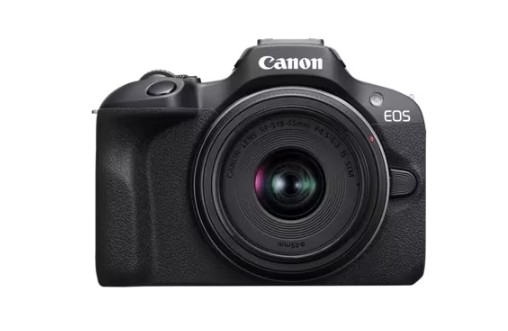
Best Beginner Camera — Canon EOS R50
The Canon EOS R50 is a good choice for travelers who want better photos than a phone can provide but do not want a complicated camera system. It is small, approachable, and friendly for people who are still learning photography.
This camera makes sense for Alaska visitors who want to capture landscapes, towns, road trips, family memories, and casual wildlife sightings without carrying heavy gear. It is not the strongest wildlife camera on this list, but it is a practical step up for beginner photographers.
Best for: Beginners, casual Alaska travelers, families, cruises, road trips, and people upgrading from phone photography.
Check Price on Amazon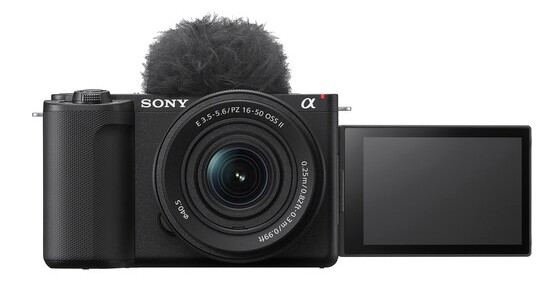
Best Travel Content Creator Camera — Sony ZV-E10 II
The Sony ZV-E10 II is built for travelers who care about video, vlogging, social media content, and lightweight shooting. It is a strong fit for people who want to document Alaska adventures without carrying a large camera setup.
This camera works well for road trips, cabin stays, hiking clips, town videos, gear reviews, and everyday travel storytelling. If you are creating TikToks, YouTube Shorts, Instagram Reels, or website content while traveling Alaska, this type of camera can be easier to use than a traditional photography-focused body.
Best for: Content creators, video, vlogging, travel storytelling, road trips, and lightweight Alaska adventure filming.
Check Price on Amazon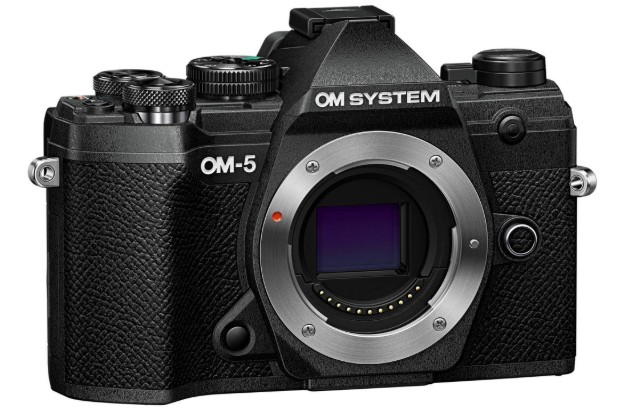
Best Weather-Sealed Travel Camera — OM SYSTEM OM-5
The OM SYSTEM OM-5 stands out because it is compact, weather-sealed, and built for outdoor travel. Alaska photographers often deal with rain, mist, wet trails, boat spray, fog, and changing weather, so durability matters.
This camera is a good fit for travelers who want something lighter than many larger mirrorless systems but still want outdoor-ready features. It is especially useful for hiking, travel photography, rainy days, and situations where carrying less weight matters.
Best for: Wet weather, hiking, lightweight travel, outdoor photography, and travelers who prioritize weather protection.
Check Price on Amazon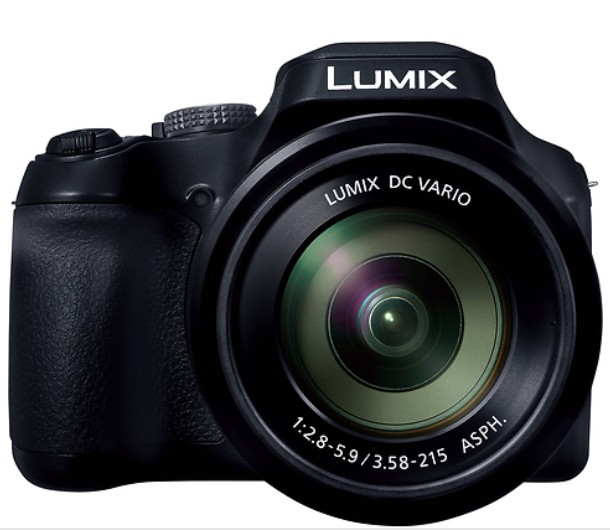
Best Budget Wildlife Travel Camera — Panasonic Lumix FZ80D
The Panasonic Lumix FZ80D is a budget-friendly bridge camera that gives travelers a lot of zoom range without needing interchangeable lenses. That can be helpful in Alaska because wildlife is often far away and not everyone wants to build a full camera system.
This is not the same as a high-end mirrorless camera with a dedicated wildlife lens, but it can be a practical option for travelers who want reach on a budget. For casual wildlife viewing, road trips, and family travel, a long-zoom bridge camera can be much more useful than a phone.
Best for: Budget wildlife photography, casual travelers, long zoom reach, road trips, and people who do not want interchangeable lenses.
Check Price on AmazonCamera Comparison Chart
| Product | Best For | Camera Type | Wildlife Use | Video Use | Weather Suitability | Alaska Suitability | Price Range |
|---|---|---|---|---|---|---|---|
| Canon EOS R10 | Best Overall | Mirrorless | Very Good | Very Good | Good | Excellent | $$ |
| Sony Alpha a6700 | Premium Travel | Mirrorless | Excellent | Excellent | Very Good | Excellent | $$$ |
| Canon EOS R50 | Beginners | Mirrorless | Good | Good | Fair | Very Good | $ |
| Sony ZV-E10 II | Content Creators | Mirrorless | Good | Excellent | Fair | Very Good | $$ |
| OM SYSTEM OM-5 | Weather-Sealed Travel | Mirrorless | Good | Good | Excellent | Excellent | $$ |
| Panasonic Lumix FZ80D | Budget Wildlife Reach | Bridge Camera | Very Good for Budget | Good | Fair | Good | $ |
Why Camera Choice Matters in Alaska
Alaska is not a place where every photo opportunity waits politely for you to get ready. A moose may step out of the brush for only a few seconds. A mountain may appear through the clouds and then disappear again. The northern lights may start faint and then suddenly brighten overhead.
That is why the best camera for Alaska travel is not always the most expensive camera. It is the camera you understand, carry, and can use quickly when the moment happens. A camera that stays buried in your bag because it is too heavy or confusing will not help much.
Camera choice also matters because Alaska gives you a wide range of subjects. You may photograph wildlife, landscapes, glaciers, ocean scenes, small towns, road trips, fishing days, cabins, and night skies all on the same trip. A good Alaska camera setup needs to be flexible enough to handle variety.
Wildlife Photography Considerations
Wildlife is one of the biggest reasons people want a better camera for Alaska. Moose, bears, caribou, eagles, whales, sea otters, foxes, and other animals can create unforgettable photo opportunities. The challenge is that wildlife is often farther away than people expect.
This is where autofocus, burst shooting, and lens compatibility become important. A camera that can track movement and pair with longer lenses gives you a much better chance of getting sharp wildlife photos. Even then, patience and safe distance matter more than chasing the shot.
If wildlife photography is your main goal, think beyond the camera body. You will probably want a telephoto lens, extra batteries, fast memory cards, and possibly binoculars or a tripod. A camera is only one part of the wildlife photography system.
Landscape and Travel Photography
Alaska landscapes are huge, and sometimes a phone photo does not capture the feeling of standing there. Mountains, glaciers, rivers, coastline, tundra, forests, and wide-open skies all benefit from a camera with good image quality and dynamic range.
For landscapes and travel photos, you do not always need the fastest autofocus or longest lens. A camera that produces clean images, handles changing light, and pairs with a versatile travel lens may be enough. Many travelers are happiest with a simple setup that is easy to carry all day.
Think about how you actually travel. If you are getting on and off buses, boats, planes, and cruise excursions, convenience matters. If you are driving your own route and stopping often, you may have more flexibility to carry extra gear.
Northern Lights Photography Considerations
Northern lights photography is different from daytime travel photography. You need manual controls, a tripod, and a camera that can handle low light reasonably well. A fast wide-angle lens also helps because it gathers more light and captures more of the sky.
You do not need the most expensive camera to photograph the aurora, but you do need to understand your settings before you are standing outside in the cold. Manual focus, shutter speed, ISO, aperture, and RAW files all matter more at night.
Battery life is also a major issue during aurora photography. Cold weather drains batteries quickly, and northern lights viewing often involves standing outside for long periods. Bring spare batteries and keep them warm in an inside pocket when possible.
Weather Protection in Alaska
Rain, fog, mist, snow, boat spray, dust, and sudden temperature changes can all affect camera gear in Alaska. Weather sealing is helpful, but it does not mean your camera is indestructible. Even rugged cameras need basic protection.
If you plan to photograph near glaciers, on boats, along rainy coastlines, or during shoulder-season travel, weather resistance becomes more important. A camera rain cover, dry bag, microfiber cloth, and lens cleaning supplies are simple items that can prevent major frustration.
Do not leave your camera exposed longer than necessary in bad weather. Keep it accessible, but protected. Alaska photography often rewards people who are prepared for wet conditions instead of hoping the forecast is right.
Battery Life and Cold Weather
Camera batteries often drain faster in Alaska than they do at home, especially during cold mornings, winter travel, northern lights photography, and long days of shooting. Even in summer, heavy photo and video use can run batteries down faster than expected.
Bring more batteries than you think you need. One spare is a good minimum, but serious photographers, wildlife watchers, and aurora chasers should carry more. Keeping spare batteries warm can help preserve battery life in cold weather.
Charging strategy matters too. Road-trippers should bring vehicle chargers or power banks. Campers and remote travelers may want larger battery banks or solar options. A dead camera battery is a preventable problem if you plan ahead.
How Many Lenses Should You Bring?
Most Alaska travelers do not need to bring every lens they own. A simple setup is usually easier to use and more likely to come out of the bag. The right number of lenses depends on whether you care more about wildlife, landscapes, northern lights, or casual travel memories.
For general Alaska travel, a versatile zoom lens is often the most useful option. For wildlife, a telephoto lens makes a huge difference. For northern lights, a wide-angle lens with a fast aperture is usually the better choice.
If you want a simple travel kit, consider one everyday lens and one specialty lens. That might mean a travel zoom plus a telephoto lens, or a travel zoom plus a fast wide-angle lens for aurora photography. The goal is to cover your main priorities without making the kit so heavy that you stop carrying it.
Mirrorless vs. DSLR for Alaska Travel
Most travelers shopping today will probably end up with a mirrorless camera. Mirrorless systems are lighter, newer, and often offer excellent autofocus, video features, and compact lens options. For Alaska travel, that lighter setup can make a real difference over long days.
DSLRs can still work very well if you already own one. There is no reason to replace a camera you know how to use just because something newer exists. Familiarity matters more than chasing every new feature.
If you are buying from scratch, mirrorless is usually the direction I would lean. If you already have a DSLR and good lenses, bring what you know and spend your energy learning how to use it well in Alaska conditions.
Cruises, Road Trips, and Casual Travel
Cruise travelers often need a camera that works well from decks, excursions, buses, and quick stops. You may not have time to change lenses constantly, so a flexible setup is useful. A camera that is easy to grab quickly may matter more than one with every advanced feature.
Road-trippers have more flexibility because they can keep extra gear in the vehicle. That makes it easier to carry a tripod, telephoto lens, extra batteries, and charging gear. Still, the best photos often happen when your camera is within reach, not packed in the back.
Casual travelers should not feel pressured to buy a professional setup. A beginner mirrorless camera, bridge camera, or even a well-used phone can still capture meaningful memories. The best camera is the one that fits your trip and your willingness to use it.
Camera Bags and Protection
A good camera bag matters more in Alaska than many people realize. Your camera may ride in a car, boat, shuttle, small plane, backpack, or overhead bin during the same trip. It needs protection from bumps, weather, and general travel chaos.
For simple travel, a padded insert or small camera backpack may be enough. For more serious photography, choose a bag that can carry your camera, lenses, batteries, memory cards, rain cover, snacks, and extra layers. Alaska outings tend to require more than just camera gear.
Dry bags are also worth considering. They are especially useful for boat trips, rainy hikes, kayak outings, fishing days, and coastal travel. Protecting your camera from water is much easier than trying to rescue wet electronics later.
Frequently Asked Questions
Do I need a real camera for Alaska, or is a phone enough?
A phone is enough for many casual travel photos, especially towns, food, signs, landscapes, and quick memories. Where phones struggle most is wildlife, low light, northern lights, and far-away subjects. If those matter to you, a dedicated camera is worth considering.
What is the best camera for Alaska wildlife?
The best wildlife camera is one that pairs with a good telephoto lens and has strong autofocus. Wildlife is often farther away than expected, so lens reach matters as much as the camera body. For serious wildlife photography, look at cameras and lenses together as a system.
Can beginner cameras work in Alaska?
Yes. Beginner cameras can work very well for Alaska travel if you understand their limits. They are especially useful for landscapes, family travel, cruises, road trips, and casual wildlife sightings.
What camera should I bring for the northern lights?
For northern lights photography, look for a camera with manual controls, good low-light performance, and the ability to shoot with a wide-angle lens. A tripod is just as important as the camera. Spare batteries are also essential because cold weather drains them quickly.
How many camera batteries should I bring to Alaska?
At minimum, bring one spare battery. For wildlife photography, video, northern lights, winter travel, or remote trips, bring more. Cold weather and long days can drain batteries faster than expected.
Should I buy a camera before my Alaska trip?
If photography is important to you, buying before the trip can make sense. Just do not wait until the last minute. Give yourself time to learn the camera before you are standing in front of a glacier, bear, or northern lights display.
What is the easiest camera setup for Alaska travel?
The easiest setup is usually one camera body, one versatile travel lens, extra batteries, memory cards, and a protective bag. If wildlife is a major goal, add a telephoto lens or choose a long-zoom bridge camera. If northern lights are a goal, add a tripod and fast wide-angle lens.
Final Thoughts
The best camera for Alaska travel is the one that fits your trip, your skill level, and your willingness to carry it. For many travelers, the Canon EOS R10 is the strongest all-around pick because it balances performance, size, usability, and room to grow.
The Sony Alpha a6700 is a strong premium option for serious travelers and creators. The Canon EOS R50 is a friendly beginner choice. The Sony ZV-E10 II makes sense for video and content creation. The OM SYSTEM OM-5 is a smart pick for travelers who care about weather protection, while the Panasonic Lumix FZ80D offers long zoom reach on a budget.
You do not need the most expensive camera to bring home meaningful Alaska photos. You need a camera you understand, enough battery power, protection from the weather, and the right expectations. Alaska will provide the scenery. Your job is to be ready when the moment shows up.