
Disclosure: This page may contain affiliate links. As an Amazon Associate, I earn from qualifying purchases at no extra cost to you.
Sleeping comfortably in Alaska is not just about convenience — it can completely change your camping experience. Cold ground, wet weather, condensation, wind, and long nights can drain body heat fast if your sleep system is not built for rough conditions.
The best Alaska sleeping setups focus on insulation, moisture control, warmth retention, and keeping you off the cold ground. Even summer camping in Alaska can turn cold unexpectedly.
Quick Picks
- Best Overall Sleeping Bag: Teton Celsius XXL Sleeping Bag
- Best Premium Sleeping Bag: Browning Camping McKinley Sleeping Bag
- Best Sleeping Pad: Therm-a-Rest BaseCamp Sleeping Pad
- Best Cot Setup: Coleman Trailhead II Cot
- Best Wool Blanket: Arcturus Heavy Duty Survival Blanket
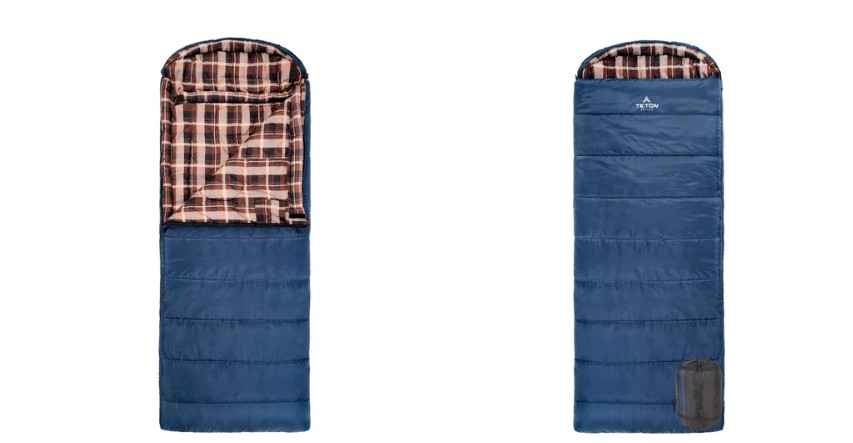
Best Overall Sleeping Bag — Teton Celsius XXL Sleeping Bag
The Teton Celsius XXL is one of the better budget-friendly cold weather sleeping bags for Alaska camping. It is oversized, warm, comfortable, and handles chilly campground nights much better than thin summer sleeping bags.
The flannel lining and larger design make it especially appealing for road trips, family camping, and relaxed Alaska campground setups. Check out those sizes though because you want to make sure the sleeping bag you get fits you.
Best for: General Alaska camping, road trips, and colder summer nights.
Check Price on Amazon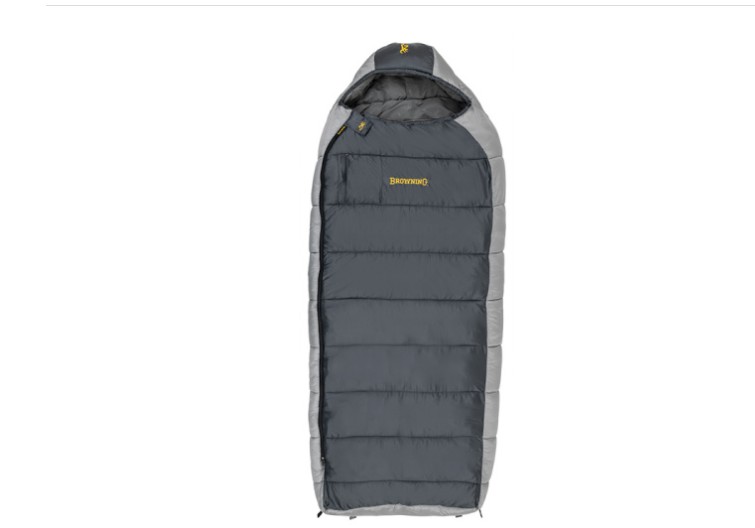
Best Premium Sleeping Bag — Browning Camping McKinley Sleeping Bag
If you camp frequently in colder Alaska conditions, investing in a heavier-duty sleeping bag can make a massive difference. The Browning McKinley is designed for true cold-weather comfort and insulation.
This bag is large, heavily insulated, and much more capable during cold Interior nights and shoulder-season camping.
Best for: Cold-weather Alaska camping and extended trips.
Check Price on Amazon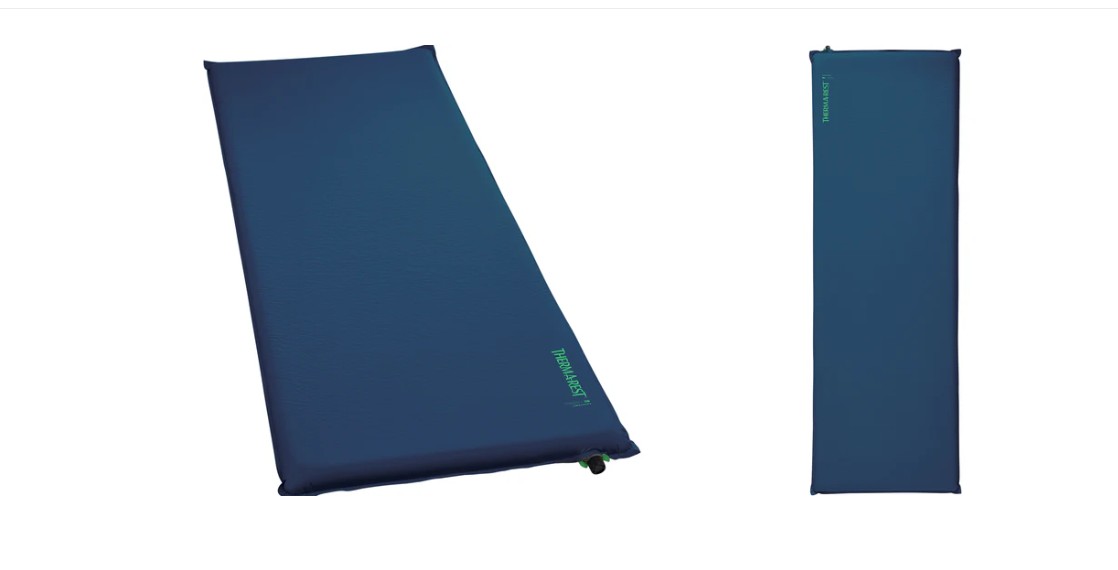
Best Sleeping Pad — Therm-a-Rest BaseCamp Sleeping Pad
Ground insulation matters just as much as the sleeping bag itself. Cold ground can drain body heat extremely fast, especially in Alaska.
The Therm-a-Rest BaseCamp pad provides excellent insulation and comfort while still packing reasonably well for camping trips. Do not underestimate how much heat you lose from laying directly on the ground.
Best for: Insulation from cold ground and improved sleeping comfort.
Check Price on Amazon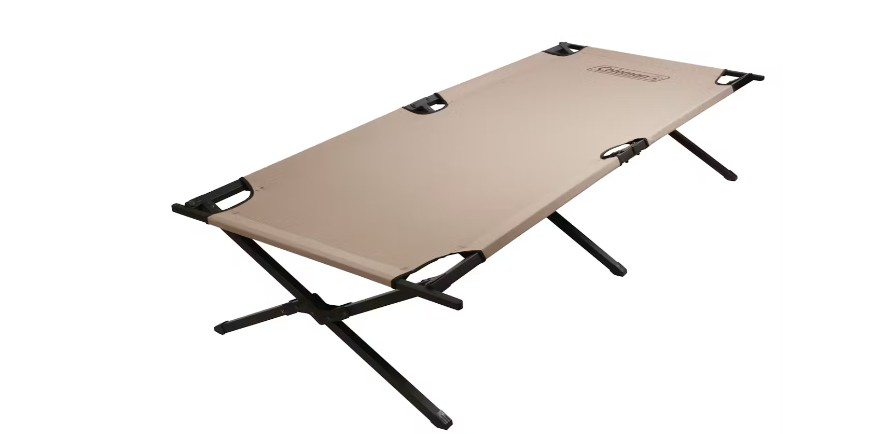
Best Cot Setup — Coleman Trailhead II Cot
Getting elevated off wet or uneven ground can dramatically improve sleep quality during Alaska camping trips. If you choose this, you wont need a sleep pad (unless you want one). I like using a cot to be able to store my bags under so I have more room in the tent!
The Coleman Trailhead II Cot is simple, durable, and works well for road-access camping and longer campground stays.
Best for: Wet campgrounds, basecamp comfort, and extended camping.
Check Price on Amazon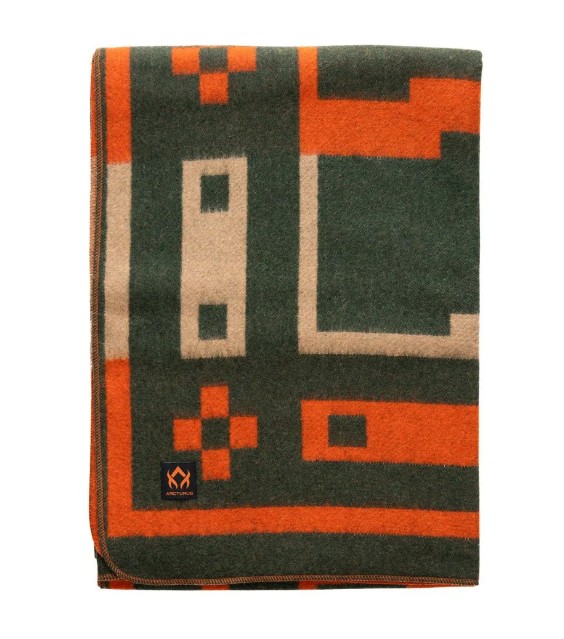
Best Wool Blanket — Arcturus Heavy Duty Survival Blanket
Extra layering can make a major difference during cold Alaska nights. Wool blankets continue insulating even when damp and are useful around camp in general. Use it as a blanket or pillow!
The Arcturus blanket works well as supplemental insulation, emergency warmth, or an added camp comfort layer.
Best for: Extra warmth, layering, and emergency cold-weather backup.
Check Price on AmazonSleeping Gear Comparison Chart
| Gear | Best For | Warmth | Weight | Comfort | Packability | Best Use | Price Range |
|---|---|---|---|---|---|---|---|
| Teton Celsius XXL | General Camping | Very Good | Heavy | Excellent | Moderate | Road Trips | $$ |
| Browning McKinley | Cold Weather | Excellent | Very Heavy | Excellent | Low | Basecamp | $$$$ |
| Therm-a-Rest BaseCamp | Ground Insulation | Very Good | Moderate | Excellent | Good | All Camping | $$$ |
| Coleman Trailhead II Cot | Elevated Sleeping | Moderate | Heavy | Very Good | Low | Campgrounds | $$ |
| Arcturus Wool Blanket | Extra Warmth | Good | Moderate | Very Good | Moderate | Layering | $$ |
What Matters Most for Sleeping Warm in Alaska
Ground Insulation
One of the biggest mistakes people make while camping in Alaska is focusing only on the sleeping bag while ignoring what is underneath them. Cold ground will pull body heat away extremely fast, especially during rainy weather, damp conditions, or colder Interior nights.
A quality sleeping pad with good insulation or an elevated cot setup can dramatically improve warmth and comfort. Even during summer, the ground in Alaska often stays surprisingly cold overnight. Wet gravel bars, tundra, muddy campgrounds, and saturated soil can make the cold feel even worse.
For most Alaska camping trips, a warmer insulated sleeping pad is worth the extra weight and space.
Moisture Control
Moisture becomes a serious problem quickly in Alaska. Rain, condensation, wet clothing, river humidity, and damp coastal air can all slowly soak sleeping gear over multi-day trips.
Keeping your sleeping bag dry matters just as much as keeping it warm. Dry bags, waterproof stuff sacks, proper tent ventilation, and avoiding wet clothing inside the sleeping bag all make a major difference.
Even high-quality sleeping bags lose effectiveness once they become damp. Alaska weather often creates condensation overnight inside tents, especially near rivers, lakes, and coastal areas, so airflow and ventilation are extremely important.
Layering Your Sleep System
Many experienced Alaska campers rely on layered sleep systems instead of depending on a single sleeping bag alone. Sleeping pads, wool blankets, insulated clothing, liners, and extra layers all work together to trap warmth more effectively.
Wool blankets are especially useful because they continue insulating even when damp. Extra base layers, dry socks, hats, and insulated clothing inside the sleeping bag can also noticeably improve warmth during colder nights.
For longer Alaska trips, layered systems also provide flexibility when temperatures change unexpectedly from one night to the next.
Realistic Temperature Ratings
Sleeping bag temperature ratings are often misunderstood. Many ratings are survival ratings, not comfort ratings. A sleeping bag labeled for 20°F does not necessarily mean most campers will sleep comfortably at 20°F.
In Alaska, it is usually smarter to choose slightly warmer gear than you think you need. Summer temperatures can drop quickly overnight, especially in the Interior, higher elevations, tundra, or during rainy weather.
For many Alaska camping trips, comfort and warmth matter far more than shaving off a little extra pack weight.
Final Thoughts
Alaska camping becomes dramatically more enjoyable when your sleeping setup actually keeps you warm, dry, and comfortable through changing weather conditions. Good sleep improves recovery, energy levels, mood, and overall trip enjoyment — especially during longer adventures.
For most Alaska campers, focusing on insulation, moisture management, durability, and realistic comfort will matter far more than ultralight backpacking priorities. A reliable sleeping setup can easily become one of the best gear investments you make for camping in Alaska.