
Disclosure: This page may contain affiliate links. As an Amazon Associate, I earn from qualifying purchases at no extra cost to you.
A good sleeping bag matters in Alaska. Even summer nights can turn cold, damp, windy, or uncomfortable fast, especially near rivers, lakes, tundra, mountains, or coastal areas.
The best sleeping bags for Alaska camping should focus on warmth, realistic temperature ratings, moisture resistance, comfort, and the kind of trip you are actually taking. A heavy warm bag works well for road-access camping, while backpacking trips usually need something lighter and more packable.
Quick Picks
- Best Overall Sleeping Bag: Teton Celsius XXL Sleeping Bag
- Best Cold Weather Sleeping Bag: Browning Camping McKinley Sleeping Bag
- Best Budget Sleeping Bag: Coleman Brazos Cold Weather Sleeping Bag
- Best Lightweight Backpacking Bag: TETON Sports TrailHead 20
- Best Wet Weather Synthetic Bag: Marmot Trestles Elite Eco 20
- Best Premium Sleeping Bag: Kelty Cosmic Down 20
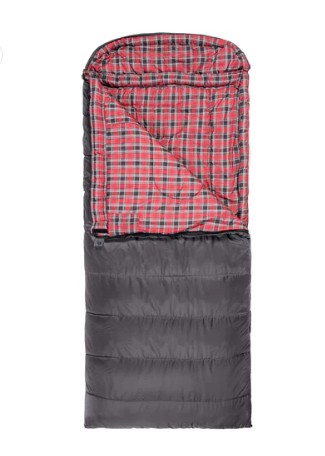
Best Overall Sleeping Bag — Teton Celsius XXL Sleeping Bag
The Teton Celsius XXL is one of the best overall sleeping bags for Alaska campground camping because it is warm, roomy, comfortable, and practical for road-access trips. It is not an ultralight backpacking bag, but that is not what most Alaska campers need.
This bag works well for chilly summer nights, family camping, fishing trips, road trips, and basecamp-style setups where comfort matters more than pack size.
Best for: Alaska campground camping, road trips, cold nights, and comfort-focused campers.
Check Price on Amazon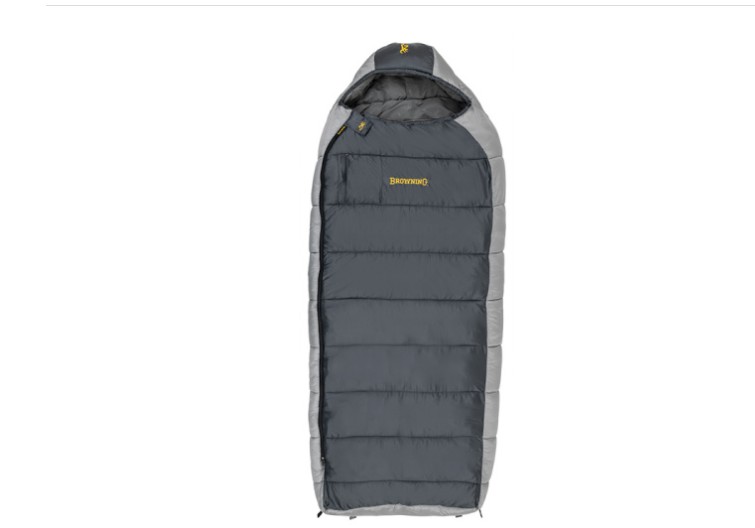
Best Cold Weather Sleeping Bag — Browning Camping McKinley Sleeping Bag
The Browning Camping McKinley is built for campers who want serious warmth and comfort. It is heavier than most basic sleeping bags, but that extra insulation can be extremely useful during cold Alaska nights.
This is a strong option for hunting camps, truck camping, shoulder-season trips, cold Interior nights, and longer campground stays where warmth matters more than packability.
Best for: Cold-weather camping, hunting camps, basecamps, and extended Alaska trips.
Check Price on Amazon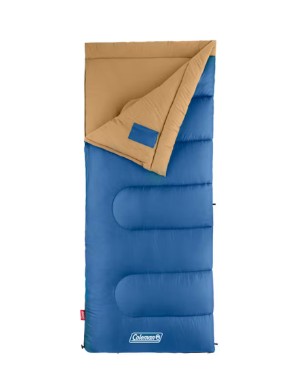
Best Budget Sleeping Bag — Coleman Brazos Cold Weather Sleeping Bag
The Coleman Brazos Cold Weather Sleeping Bag is a practical budget option for casual Alaska camping. It is simple, affordable, and warm enough for many summer campground trips when paired with a decent sleeping pad.
This is not the bag I would choose for harsh backcountry conditions, but it works well for beginner campers, family camping, occasional trips, and people building their Alaska camping kit on a budget.
Best for: Budget camping, beginner campers, family trips, and mild Alaska summer nights.
Check Price on Amazon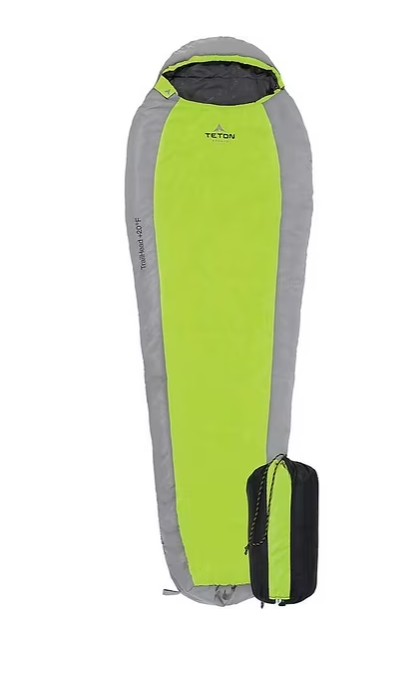
Best Lightweight Backpacking Bag — TETON
The TETON is a better fit for hikers and backpackers who need something lighter and easier to pack than a large rectangular campground sleeping bag.
It gives you a more compact mummy-style option for Alaska backpacking, hiking trips, and travel where space matters. For colder trips, pair it with a good insulated sleeping pad and warm base layers.
Best for: Backpacking, lighter camping setups, travel, and compact packing.
Check Price on Amazon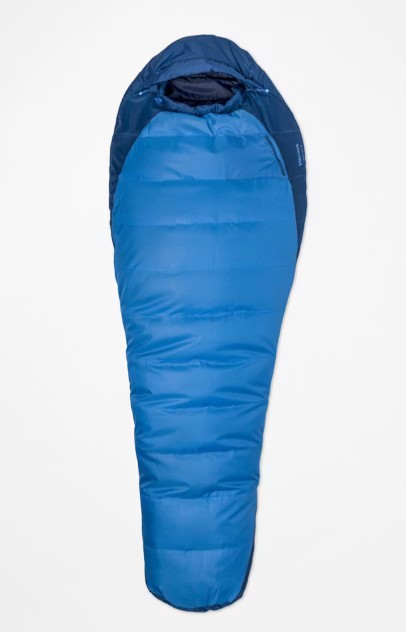
Best Wet Weather Synthetic Bag — Marmot Trestles Elite Eco 20
The Marmot Trestles Elite Eco 20 is a strong choice for wet Alaska conditions because synthetic insulation is usually more forgiving than down when moisture is a concern.
This kind of bag makes sense for damp coastal camping, rainy trips, kayaking support camps, and backpacking routes where keeping gear perfectly dry may be difficult.
Best for: Wet-weather camping, backpacking, coastal Alaska, and damp conditions.
Check Price on Amazon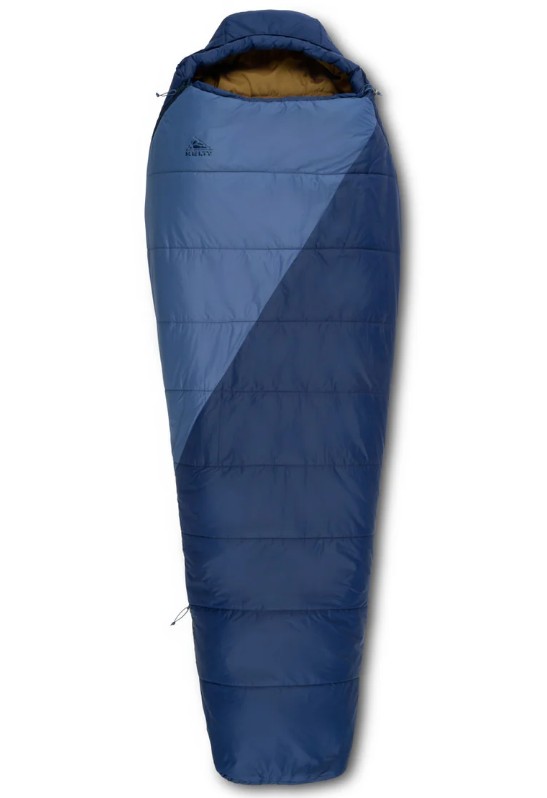
Best Premium Sleeping Bag — Kelty Cosmic Down 20
The Kelty Cosmic Down 20 is a good premium-style option for campers who want better warmth-to-weight performance than basic synthetic campground bags. It is more packable and efficient than heavier rectangular bags.
This sleeping bag fits well for backpacking, road trips, and Alaska campers who want a lighter bag without moving into extremely expensive ultralight gear.
Best for: Backpacking, lighter camping, road trips, and better warmth-to-weight performance.
Check Price on AmazonSleeping Bag Comparison Chart
| Sleeping Bag | Best For | Style | Warmth | Packability | Comfort | Alaska Suitability | Price Range |
|---|---|---|---|---|---|---|---|
| Teton Celsius XXL | Best Overall | Oversized Rectangular | Very Good | Low | Excellent | Excellent | $$ |
| Browning McKinley | Cold Weather | Oversized Hooded | Excellent | Low | Excellent | Excellent | $$$$ |
| Coleman Brazos | Budget Camping | Rectangular | Good | Low | Good | Good | $ |
| TETON TrailHead 20 | Light Backpacking | Mummy | Good | Very Good | Good | Very Good | $$ |
| Marmot Trestles Elite Eco 20 | Wet Weather | Synthetic Mummy | Very Good | Good | Very Good | Excellent | $$$ |
| Kelty Cosmic Down 20 | Premium Value | Down Mummy | Very Good | Excellent | Very Good | Very Good | $$$ |
What Matters Most for Sleeping Bags in Alaska
Realistic Temperature Ratings
Sleeping bag temperature ratings can be misleading. Many ratings are survival ratings, not true comfort ratings. A bag labeled for 20°F does not always mean most people will sleep comfortably at 20°F.
In Alaska, it is usually smarter to choose a warmer bag than you think you need, especially if you are camping near water, in the mountains, during rain, or outside the warmest part of summer.
Synthetic vs. Down
Synthetic sleeping bags usually handle damp conditions better and are often a practical choice for Alaska’s wet weather. Down bags are lighter and more packable, but they require more care to keep dry.
For road-access camping, synthetic bags are often easier and more forgiving. For backpacking, a quality down or lightweight synthetic bag may be worth the extra cost.
Pair the Bag with a Good Sleeping Pad
A sleeping bag alone will not keep you warm if cold ground is pulling heat away from your body. Ground insulation matters just as much as the bag itself.
For Alaska camping, a good insulated sleeping pad can make a massive difference in warmth and comfort, especially on cold, wet, or uneven ground.
Moisture Control
Wet sleeping gear can ruin a trip quickly. Rain, condensation, wet clothing, river humidity, and damp tent conditions can all slowly reduce warmth overnight.
Use dry bags, waterproof stuff sacks, tent ventilation, and a no-wet-clothes-inside-the-bag rule whenever possible.
Choose for the Trip Type
The best sleeping bag depends on how you are camping. A roomy rectangular bag is great for car camping and campground trips. A lighter mummy bag is better for backpacking and longer carries.
For Alaska, comfort and warmth often matter more than chasing the smallest packed size unless you are actually backpacking.
Final Thoughts
The best sleeping bag for Alaska is the one that keeps you warm, dry, and comfortable for the kind of trip you are actually taking. Road campers can usually prioritize warmth and comfort, while backpackers need a better balance of warmth, weight, and packability.
For most Alaska campers, choosing a warmer bag, pairing it with an insulated sleeping pad, and keeping the entire sleep system dry will matter more than buying the lightest sleeping bag available.