
Disclosure: This page may contain affiliate links. As an Amazon Associate, I earn from qualifying purchases at no extra cost to you.
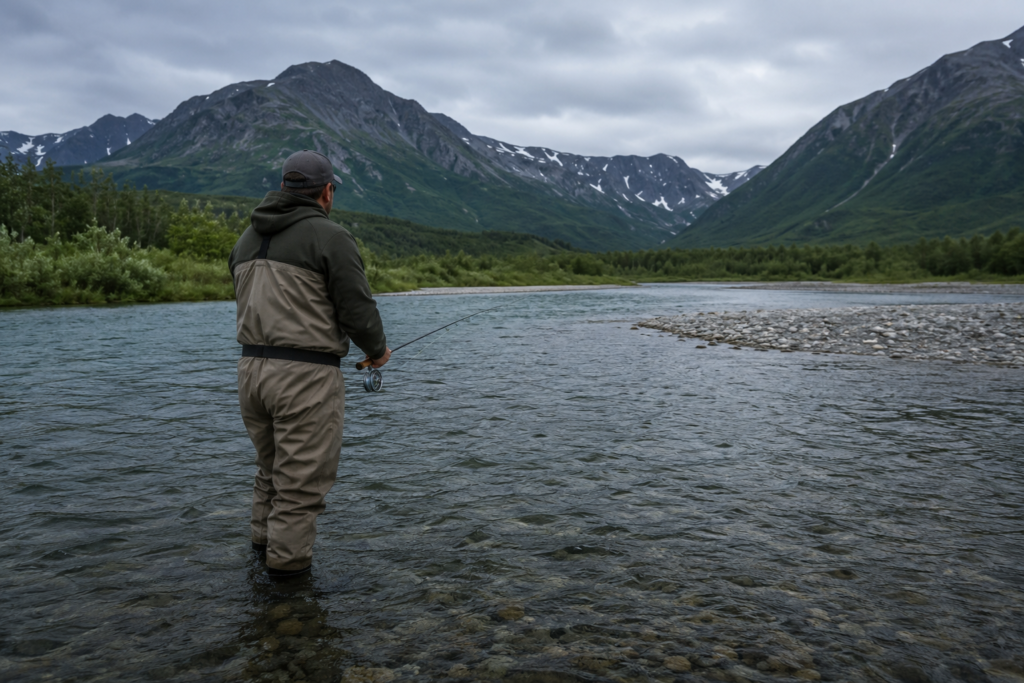
A good pair of waders matters in Alaska. Whether you are standing in a salmon stream, walking through wet brush, fishing a cold river, or dealing with rain all day, cheap or poorly fitted waders can make a trip miserable fast.
The best waders for Alaska fishing should focus on durability, comfort, waterproof protection, mobility, and the type of fishing you are actually doing. Some anglers need breathable waders for summer salmon fishing, while others need warmer options for cold water, shoulder seasons, or long days standing in rivers.
Quick Picks
- Best Overall Waders: Simms Freestone Stockingfoot Waders
- Best Budget Waders: FROGG TOGGS Canyon II Breathable Stockingfoot Waders
- Best Bootfoot Waders: HISEA Neoprene Bootfoot Chest Waders
- Best Women’s Waders: FROGG TOGGS Women’s Canyon II Waders
- Best Cold Water Waders: Compass 360 Deadfall Breathable Stockingfoot Waders
- Best Starter Waders: TIDEWE Bootfoot Chest Waders
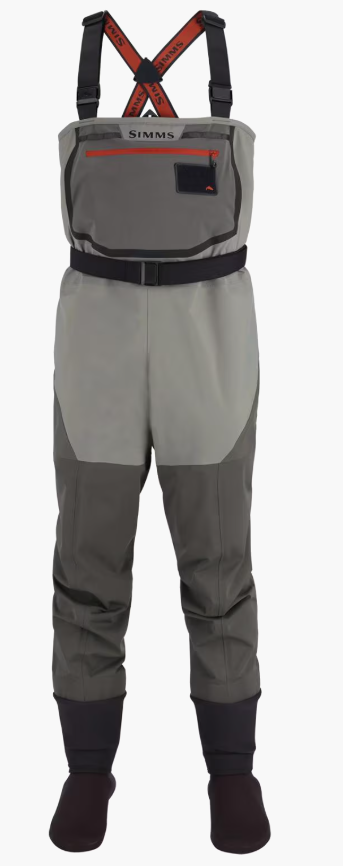
Best Overall Waders — Simms Freestone Stockingfoot Waders
Simms Freestone Stockingfoot Waders are a strong overall choice for Alaska because they balance durability, comfort, and serious fishing use. They are built for anglers who spend real time in rivers and need waders that can handle wet conditions, long days, and repeated use.
For Alaska salmon fishing, trout fishing, and road-access river trips, this kind of breathable stockingfoot wader gives you good mobility while still offering dependable protection.
Best for: Salmon fishing, river fishing, repeat use, and anglers who want a dependable all-around wader.
Check Price on Amazon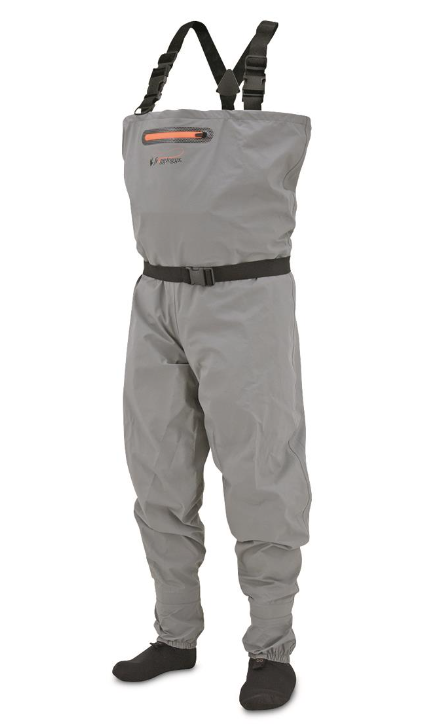
Best Budget Waders — FROGG TOGGS Canyon II Breathable Stockingfoot Waders
The FROGG TOGGS Canyon II waders are a practical budget-friendly option for Alaska anglers who want breathable waders without jumping into the highest price range.
They work well for occasional trips, summer fishing, and anglers who need a basic setup for salmon streams, trout water, or travel fishing without spending premium wader money.
Best for: Budget-conscious anglers, summer fishing, occasional Alaska trips, and beginner setups.
Check Price on Amazon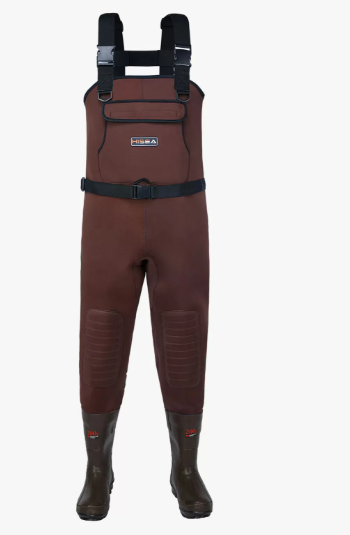
Best Bootfoot Waders — HISEA Neoprene Bootfoot Chest Waders
HISEA Neoprene Bootfoot Chest Waders are a useful option for anglers who want a simple all-in-one setup with attached boots. Bootfoot waders can be convenient for quick trips, muddy banks, and situations where you do not want to deal with separate wading boots.
Neoprene adds warmth, which can be helpful in cold water, but it can also feel warmer during summer. These make the most sense for colder conditions, casual river access, and anglers who value simplicity.
Best for: Cold water, quick access fishing, muddy banks, and anglers who prefer attached boots.
Check Price on Amazon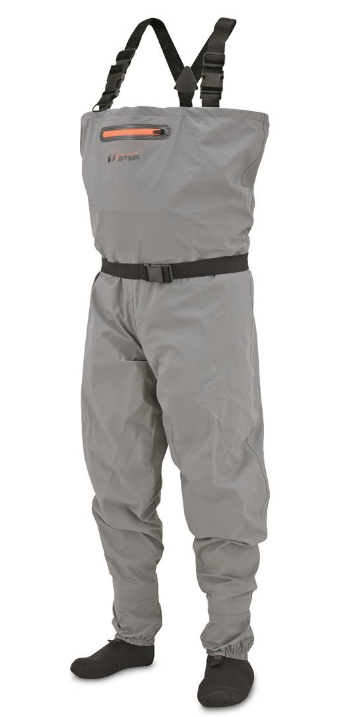
Best Women’s Waders — FROGG TOGGS Women’s Canyon II Waders
The FROGG TOGGS Women’s Canyon II waders are a good choice for women who want a better fit than a generic unisex wader. Fit matters in Alaska because baggy, awkward waders can make walking riverbanks, climbing in and out of boats, or moving through brush more uncomfortable than it needs to be.
These are a practical option for summer fishing, travel fishing, and anglers who want breathable waders that are easier to move in.
Best for: Women anglers, breathable comfort, summer fishing, and better fit on river trips.
Check Price on Amazon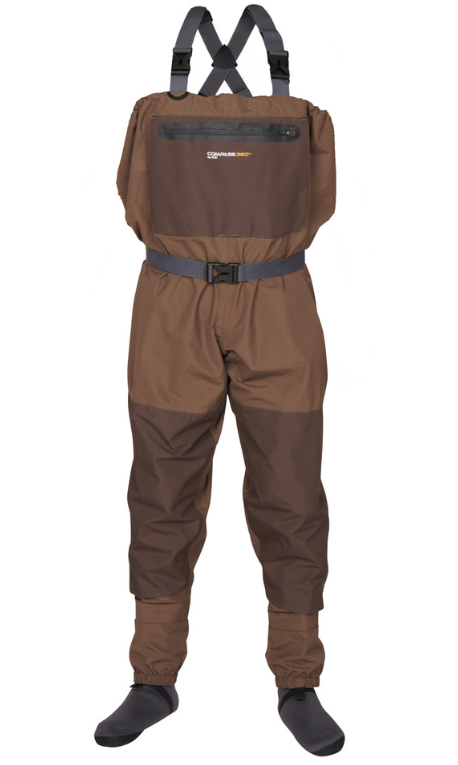
Best Cold Water Waders — Compass 360 Deadfall Breathable Stockingfoot Waders
The Compass 360 Deadfall waders are a solid choice for anglers who want a tougher breathable wader for colder water, longer days, and rougher use. Alaska fishing often means standing in cold rivers, brushing against alder, kneeling on gravel, and dealing with wet conditions all day.
These waders make sense for anglers who want more durability than a basic entry-level option but still want the flexibility of a stockingfoot design.
Best for: Cold rivers, longer fishing days, salmon streams, and anglers who want extra durability.
Check Price on Amazon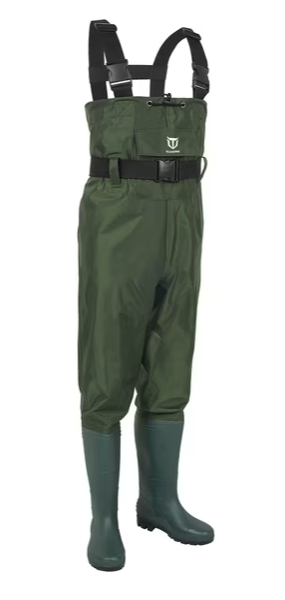
Best Starter Waders — TIDEWE Bootfoot Chest Waders
TIDEWE Bootfoot Chest Waders are a simple starter option for people who need basic waterproof protection for occasional fishing, shoreline use, or casual Alaska trips.
They are not the most advanced waders on this list, but they can make sense for visitors, beginners, or anglers who need an affordable all-in-one wader setup for light use.
Best for: Beginners, occasional fishing, budget setups, and simple shoreline access.
Check Price on AmazonWader Comparison Chart
| Waders | Best For | Type | Warmth | Mobility | Durability | Alaska Suitability | Price Range |
|---|---|---|---|---|---|---|---|
| Simms Freestone | Best Overall | Stockingfoot | Moderate | Excellent | Excellent | Excellent | $$$$ |
| FROGG TOGGS Canyon II | Budget Breathable | Stockingfoot | Light | Very Good | Good | Very Good | $$ |
| HISEA Neoprene | Bootfoot Waders | Bootfoot | Very Good | Moderate | Good | Good | $$ |
| FROGG TOGGS Women’s Canyon II | Women’s Fit | Stockingfoot | Light | Very Good | Good | Very Good | $$ |
| Compass 360 Deadfall | Cold Water | Stockingfoot | Moderate | Very Good | Very Good | Very Good | $$$ |
| TIDEWE Bootfoot | Starter Waders | Bootfoot | Moderate | Moderate | Good | Good | $ |
What Matters Most for Waders in Alaska
Breathable vs. Neoprene
Breathable waders are usually the better choice for most Alaska summer fishing because they are easier to move in and more comfortable during long days. You can layer underneath them when the water or air temperature drops.
Neoprene waders are warmer, but they can feel hot and bulky in summer. They make more sense for cold water, shoulder seasons, or anglers who do not need to walk long distances.
Stockingfoot vs. Bootfoot
Stockingfoot waders require separate wading boots, but they usually give you better traction, fit, and support. For river fishing in Alaska, that matters.
Bootfoot waders are simpler because the boots are attached. They can work well for quick trips, muddy banks, and casual use, but they usually do not offer the same level of support as a good stockingfoot setup with proper wading boots.
Durability
Alaska is hard on waders. Gravel bars, brush, rocks, boat decks, hooks, and long walks can all wear them down faster than expected.
If you plan to fish often, durability is worth paying for. A small leak may not seem like a big deal until cold river water starts working its way in halfway through the day.
Fit and Layering Room
Waders should fit well enough to move in, but they also need enough room for layers underneath. Alaska fishing often starts chilly, even when the afternoon warms up.
A tight fit can restrict movement and make layering difficult. A sloppy fit can feel awkward when walking, climbing banks, or moving through brush.
Traction Matters
Waders are only part of the system. Slippery rocks, cold rivers, and uneven banks make traction extremely important in Alaska.
If you choose stockingfoot waders, pair them with quality wading boots. Good traction can make a huge difference in both comfort and safety.
Final Thoughts
The best waders for Alaska are the ones that match how and where you actually fish. A breathable stockingfoot setup works well for many river anglers, while bootfoot or neoprene options may make sense for colder water, muddy banks, or simpler trips.
For most Alaska anglers, comfort, durability, and traction matter more than buying the cheapest pair available. Good waders help you stay dry, move safely, and enjoy more time on the water.
```