
Disclosure: This page may contain affiliate links. As an Amazon Associate, I earn from qualifying purchases at no extra cost to you.
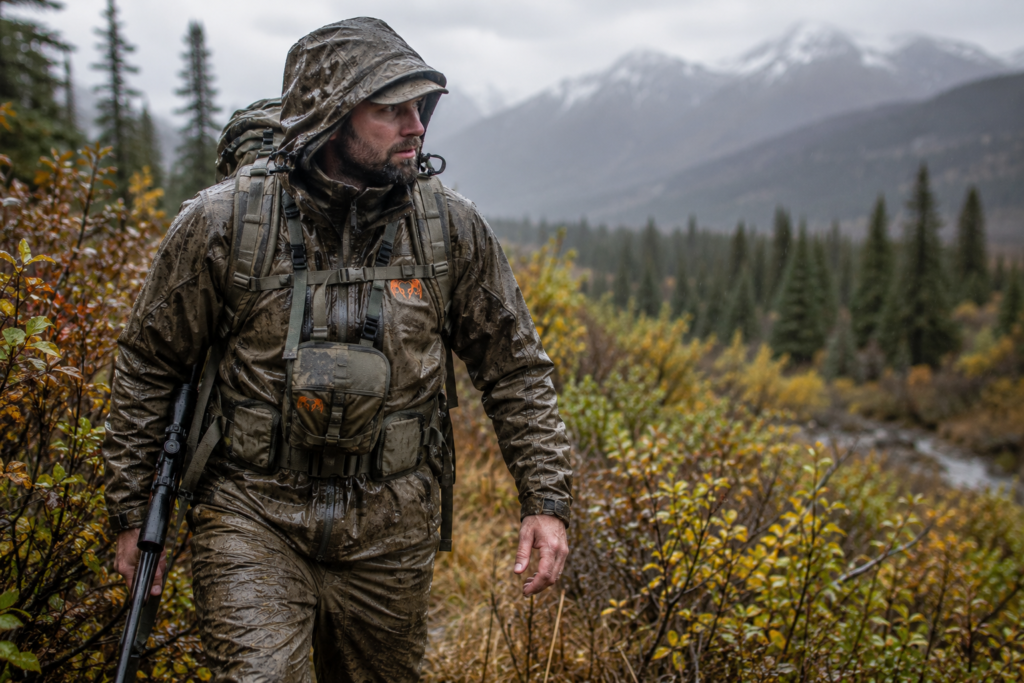
If there is one thing Alaska hunters learn quickly, it is that eventually you are going to get wet. It might be rain, wet brush, fog, snow, river crossings, or simply moisture hanging in the air all day. Good rain gear is not about comfort alone. It is about staying functional when conditions turn ugly.
The best rain gear for hunters should keep water out while allowing enough breathability to avoid turning into a sweatbox during long hikes. Alaska weather is unpredictable, and having reliable rain gear can be the difference between ending a hunt early and staying in the field.
Quick Picks
- Best Overall Rain Jacket: Helly Hansen Seven J Rain Jacket
- Best Overall Rain Pants: Helly Hansen Moss Rain Pants
- Best Budget Rain Jacket: Columbia Watertight II Rain Jacket
- Best Heavy-Duty Rain Gear: Grundéns Weather Watch Jacket
- Best Lightweight Rain Gear: FROGG TOGGS Ultra-Lite2 Rain Suit
- Best Waterproof Hunting Gaiters: Kenetrek Hunting Gaiters
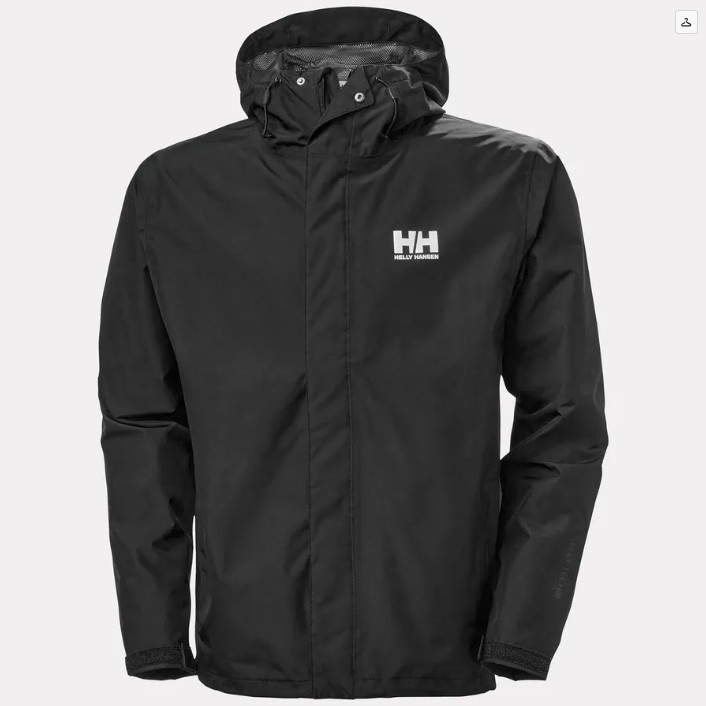
Best Overall Rain Jacket — Helly Hansen Seven J Rain Jacket
The Helly Hansen Seven J Rain Jacket is one of the better all-around rain jackets for Alaska hunters because it balances waterproof protection, comfort, and durability. Alaska weather often involves long periods of steady rain rather than short afternoon showers.
This jacket works well for hunters who want dependable weather protection without stepping into extremely expensive technical hunting apparel.
Best for: General hunting, wet weather, layering systems, and all-around Alaska use.
Check Price on Amazon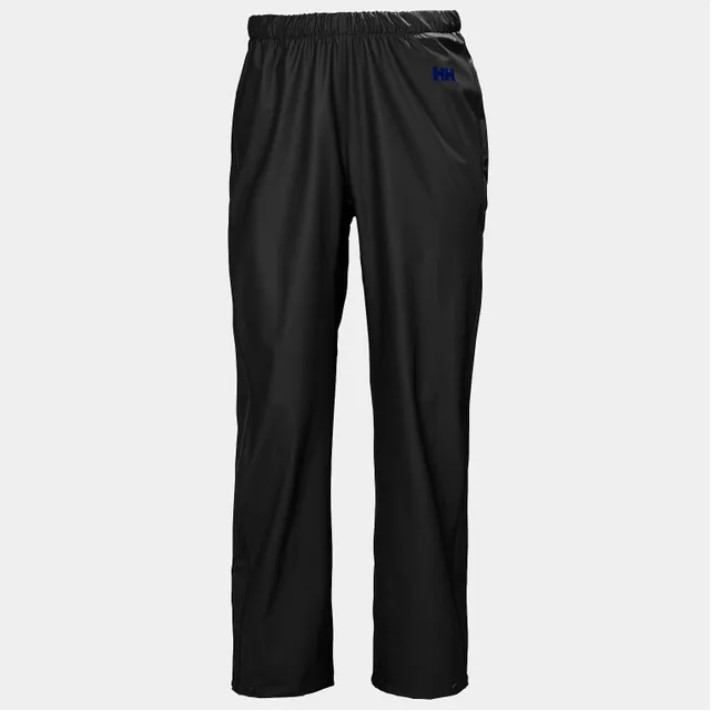
Best Rain Pants — Helly Hansen Moss Rain Pants
Hunters often focus on jackets and forget their legs. Wet pants lead to wet base layers, cold temperatures, and a miserable day in the field. Good rain pants help keep moisture off while moving through brush, tundra, and wet vegetation.
The Helly Hansen Moss Rain Pants are a simple and durable option that pairs well with almost any rain jacket.
Best for: Wet brush, rainy conditions, boat access hunts, and all-day weather protection.
Check Price on Amazon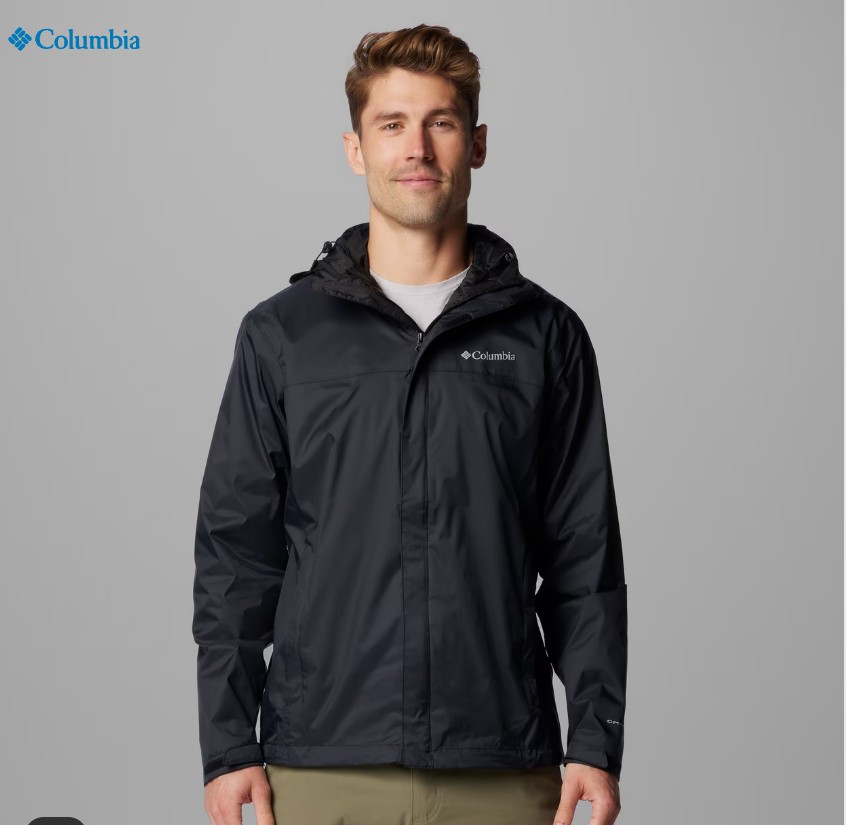
Best Budget Rain Jacket — Columbia Watertight II Rain Jacket
The Columbia Watertight II Rain Jacket offers good value for hunters who need dependable waterproof protection without spending a fortune. While it may not be built for the harshest mountain hunts, it handles typical rain and wet conditions well.
This is a practical option for newer hunters, occasional hunts, and anyone building a gear system on a budget.
Best for: Budget-conscious hunters, day hunts, travel hunts, and general outdoor use.
Check Price on Amazon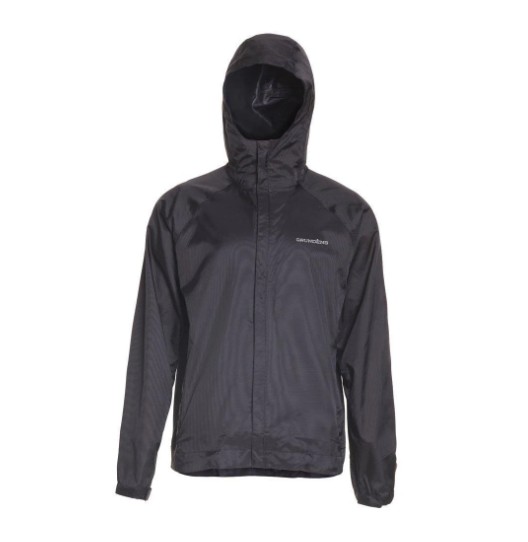
Best Heavy-Duty Rain Gear — Grundéns Weather Watch Jacket
Grundéns built its reputation around commercial fishing rain gear, and that experience shows. When weather turns consistently wet and nasty, heavy-duty rain gear starts making a lot of sense.
The Weather Watch Jacket is designed for serious weather and can handle extended exposure to rain, boat spray, and wet working conditions.
Best for: Coastal hunting, boat-based hunts, extended rain, and severe weather conditions.
Check Price on Amazon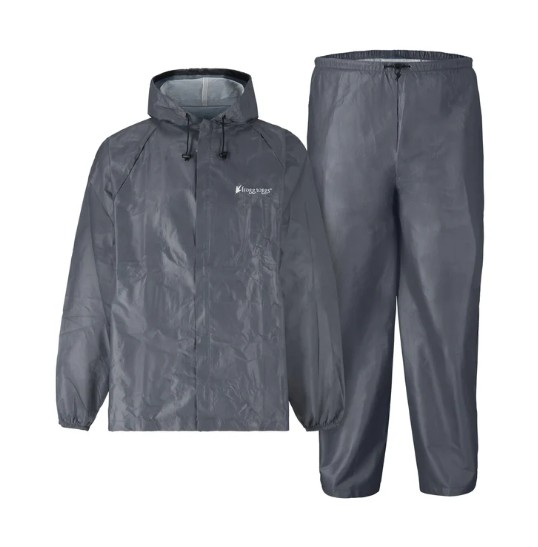
Best Lightweight Rain Gear — FROGG TOGGS Ultra-Lite2 Rain Suit
Not every hunt requires heavy-duty rain gear. Sometimes you simply want a lightweight emergency layer that can live in your pack until conditions change.
The FROGG TOGGS Ultra-Lite2 Rain Suit packs down small and weighs very little, making it easy to carry as backup protection.
Best for: Day packs, emergency rain protection, travel, and lightweight hunting setups.
Check Price on Amazon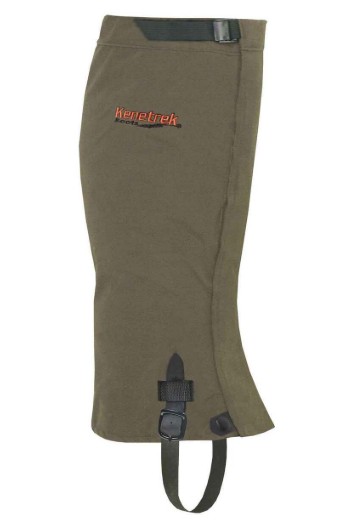
Best Waterproof Gaiters — Kenetrek Hunting Gaiters
Many hunters underestimate how much moisture enters through the tops of boots while walking through wet grass, brush, muskeg, and snow. Gaiters help keep water, mud, and debris out while protecting lower pant legs.
Kenetrek gaiters have become popular among hunters because they are durable, waterproof, and designed for rough conditions.
Best for: Wet brush, muskeg, snow, mountain hunting, and protecting boots and pants.
Check Price on AmazonRain Gear Comparison Chart
| Product | Best For | Type | Water Protection | Durability | Packability | Alaska Suitability | Price Range |
|---|---|---|---|---|---|---|---|
| Helly Hansen Seven J | Best Overall Rain Jacket | Jacket | Excellent | Very Good | Good | Excellent | $$ |
| Helly Hansen Moss Pants | Rain Pants | Pants | Excellent | Excellent | Good | Excellent | $$ |
| Columbia Watertight II | Budget Pick | Jacket | Very Good | Good | Excellent | Very Good | $ |
| Grundéns Weather Watch | Heavy-Duty Use | Jacket | Excellent | Excellent | Fair | Excellent | $$$ |
| FROGG TOGGS Ultra-Lite2 | Emergency Backup | Rain Suit | Good | Fair | Excellent | Good | $ |
| Kenetrek Gaiters | Wet Brush Protection | Gaiters | Excellent | Excellent | Good | Excellent | $$$ |
Why Rain Gear Matters So Much in Alaska
In many places, rain is an inconvenience. In Alaska, it can become a safety issue. Wet clothing pulls heat away from your body, reduces comfort, lowers morale, and can eventually affect decision-making if conditions are bad enough.
One of the biggest mistakes new hunters make is assuming a light rain jacket from home will be enough. Alaska weather tends to test gear harder than people expect. A forecast calling for light rain can quickly become a full day of wet brush, fog, steady drizzle, and wind. Once you get soaked, staying comfortable becomes much more difficult.
Good rain gear is not about staying perfectly dry every second of the day. It is about staying dry enough to continue hunting safely and comfortably when conditions are less than ideal.
Staying Dry Is More Important Than Staying Warm
Most experienced Alaska outdoorsmen would rather be slightly cool and dry than warm and soaked. Once clothing becomes wet, it becomes much harder to regulate body temperature and stay comfortable.
A good rain system protects the rest of your layering system and helps everything else perform better. Your base layers can continue moving moisture, your insulation can continue trapping heat, and you are less likely to end the day chilled and miserable.
This becomes even more important during multi-day hunts where drying gear can be difficult. Staying ahead of moisture is often easier than trying to recover from being completely soaked.
Breathability Matters Too
The most waterproof jacket in the world does not help much if you are soaked from sweat after a steep climb. Good rain gear balances waterproof protection with enough breathability to handle active hunting.
This becomes especially important during mountain hunts, spot-and-stalk hunts, and long hikes where you may be covering miles of terrain in changing weather conditions.
Many hunters discover that managing sweat is just as important as managing rain. Quality rain gear allows moisture to escape while still protecting you from the elements.
Do Not Forget Your Legs
Many hunters invest in a quality rain jacket and ignore rain pants. Wet brush can soak pants surprisingly quickly, even when it is not actively raining.
Tall grass, alder thickets, willow patches, tundra vegetation, and muskeg can all transfer moisture into your clothing throughout the day. Once your pants become saturated, water eventually works its way into your base layers.
A complete rain system protects your entire body, not just your upper half.
Always Carry Rain Gear
Even if the forecast looks good, rain gear should be part of your standard hunting kit. Weather changes quickly in Alaska, and carrying a lightweight rain layer is far easier than wishing you had one later.
Many experienced hunters simply assume they will encounter some form of moisture during every trip. Building rain gear into your normal packing routine ensures you are prepared when conditions change unexpectedly.
Other Wet Weather Gear Worth Considering
Rain gear is your first line of defense, but it is only one part of a complete wet-weather system. Alaska hunters often spend hours in rain, wet brush, muskeg, river bottoms, and coastal environments where moisture seems to come from every direction.
Many hunters focus heavily on their jacket and pants but overlook some of the smaller items that can make a huge difference in comfort and safety. When conditions are consistently wet, keeping your hands, feet, and spare gear dry becomes just as important as keeping your torso dry.
Ponchos
A lightweight poncho is not a replacement for quality rain gear, but it can be a useful emergency backup. They pack small, weigh almost nothing, and can be thrown over yourself and your pack during sudden downpours.
Some hunters carry a compact poncho during day hunts because it provides quick protection while glassing, taking breaks, or dealing with an unexpected weather change.
Wet Weather Gloves
Cold, wet hands can make simple tasks frustrating. Waterproof or water-resistant gloves help while handling gear, operating a rifle, using optics, setting camp, field dressing game, or spending long periods exposed to rain.
Many Alaska hunters carry both lightweight gloves for active movement and heavier waterproof gloves for prolonged exposure to rain and cold temperatures. Keeping an extra pair of dry gloves in a waterproof bag is never a bad idea.
Waterproof Boots
Even the best rain jacket cannot help if your feet stay wet all day. Alaska hunts frequently involve wet grass, creek crossings, muskeg, tundra, and brush that can soak footwear surprisingly quickly.
A quality pair of waterproof hunting boots helps keep feet dry while providing support on uneven terrain. Pairing waterproof boots with merino wool socks and gaiters creates a much more complete wet-weather system.
Many experienced hunters will tell you that dry feet can make the difference between enjoying a hunt and simply enduring it.
Dry Bags
Keeping yourself dry is important, but protecting your gear matters too. Extra layers, electronics, licenses, tags, maps, food, emergency equipment, and sleeping gear all need protection from moisture.
A few lightweight dry bags can prevent a small inconvenience from becoming a major problem. There are few things more frustrating than reaching into your pack for a warm layer only to discover it has become soaked.
Most Alaska hunters eventually develop a system of organizing gear into waterproof bags inside their packs. It is a simple habit that pays off when the weather turns bad.
Build a Complete System
The biggest lesson most Alaska outdoorsmen learn is that no single piece of gear keeps you dry. Staying comfortable in wet weather requires a complete system.
- Waterproof jacket
- Rain pants
- Waterproof boots
- Gaiters
- Waterproof gloves
- Extra dry layers
- Dry bags for critical gear
When all of those pieces work together, bad weather becomes something you deal with rather than something that ends your hunt.