
Disclosure: This page may contain affiliate links. As an Amazon Associate, I earn from qualifying purchases at no extra cost to you.
Good hunting boots matter everywhere, but in Alaska they matter even more. Wet tundra, muskeg, river crossings, snow, cold ground, steep climbs, and long pack-outs can turn the wrong boots into a serious problem fast.
The best hunting boots for Alaska should keep your feet dry, provide support on rough terrain, handle cold and wet conditions, and stay comfortable during long days outside. Whether you are hunting from the road system, hiking through brush, crossing wet ground, or packing meat through the backcountry, your boots are one of the most important pieces of gear you own.
This list includes a mix of mountain hunting boots, leather hunting boots, rubber boots, and extreme cold-weather boots so you can choose the right pair for the kind of Alaska hunt you are planning.
Quick Picks
- Best Overall Hunting Boot: Zamberlan 980 Outfitter GTX RR
- Best Mountain Hunting Boot: Kenetrek Mountain Extreme 400 Insulated Boots
- Best Mid-Range Hunting Boot: Danner Pronghorn 8-Inch Waterproof Hunting Boots
- Best Insulated Leather Hunting Boot: Irish Setter Elk Tracker XD Waterproof Hunting Boots
- Best Rubber Hunting Boot: LaCrosse Alphaburly Pro 18-Inch Hunting Boots
- Best Extreme Cold Weather Boot: Muck Arctic Pro Tall Boots
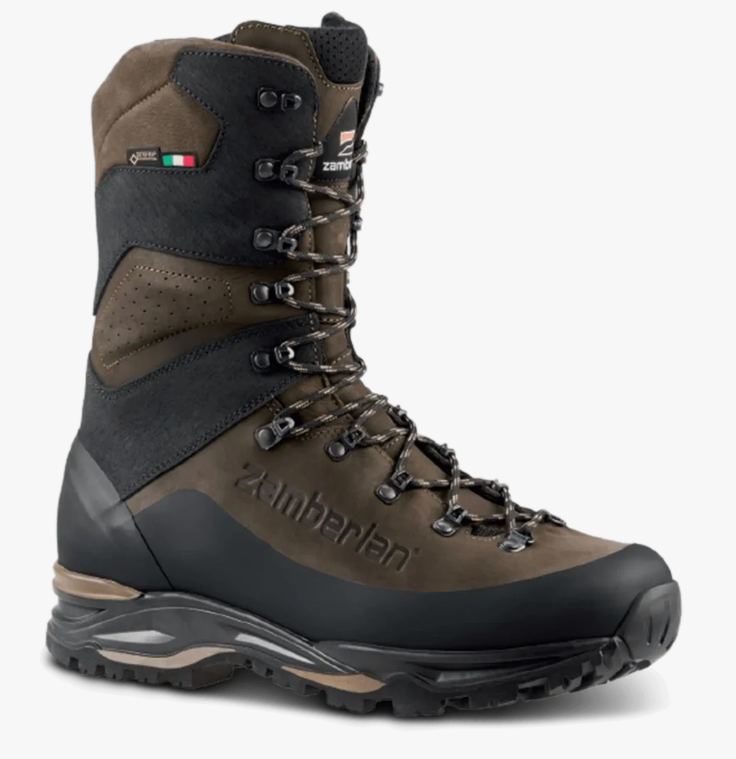
Best Overall Hunting Boot — Zamberlan 980 Outfitter GTX RR
The Zamberlan 980 Outfitter GTX RR is my top overall pick for Alaska hunting boots because I have personally owned these boots for years and they are still holding up. They have kept my feet warm, dry, and comfortable through long days outside, and that matters a lot in Alaska.
These boots are sturdy, supportive, waterproof, and built for rough terrain. They are not the cheapest option, but good boots that continue performing year after year are worth paying attention to.
Best for: Alaska hunters who want a durable, comfortable, waterproof boot that can handle years of real use.
Check Price on Amazon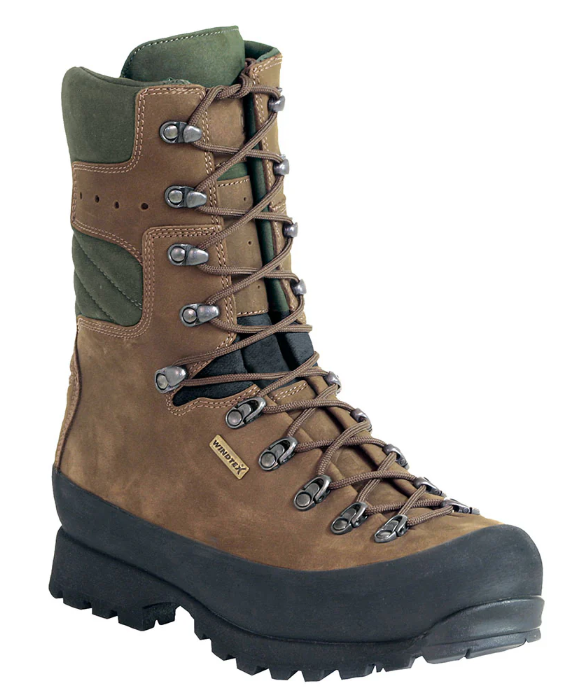
Best Mountain Hunting Boot — Kenetrek Mountain Extreme 400 Insulated Boots
The Kenetrek Mountain Extreme 400 Insulated Boots are built for serious mountain hunting and rugged terrain. If your hunt involves climbing, side-hilling, rocky country, or long pack-outs, a supportive mountain boot becomes extremely important.
The 400-gram insulation adds warmth without turning the boot into a full winter pac boot, making it a strong option for colder hunts, sheep country, caribou country, and steep backcountry terrain.
Best for: Mountain hunts, rugged terrain, steep country, cold mornings, and long pack-outs.
Check Price on Amazon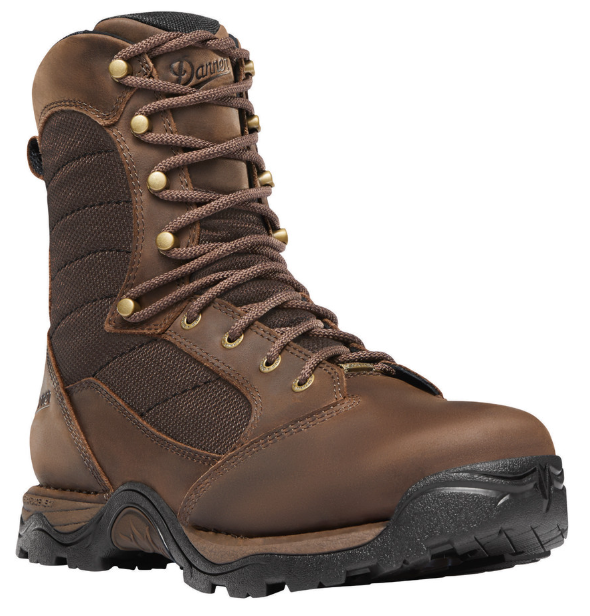
Best Mid-Range Hunting Boot — Danner Pronghorn 8-Inch Waterproof Hunting Boots
The Danner Pronghorn is a good mid-range hunting boot for hunters who want waterproof protection, comfort, and a trusted hunting boot design without jumping straight into premium mountain boot pricing.
This is a practical all-around option for day hunts, general big game hunting, and hunters who need a boot that can handle wet brush, uneven ground, and changing Alaska weather.
Best for: General Alaska hunting, day hunts, wet brush, and hunters who want a solid boot at a more approachable price.
Check Price on Amazon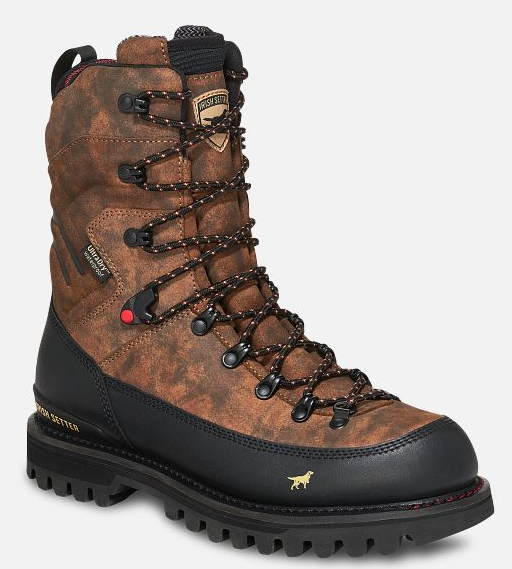
Best Insulated Leather Hunting Boot — Irish Setter Elk Tracker XD Waterproof Hunting Boots
The Irish Setter Elk Tracker XD is a traditional insulated leather hunting boot that works well for hunters who prefer a sturdy, supportive boot with a classic feel.
This style makes sense for colder hunts, long sits, walking through brush, and hunters who want a leather boot that feels more substantial than lightweight hiking-style footwear.
Best for: Cold weather hunts, leather boot fans, big game hunting, and hunters who want insulation with traditional support.
Check Price on Amazon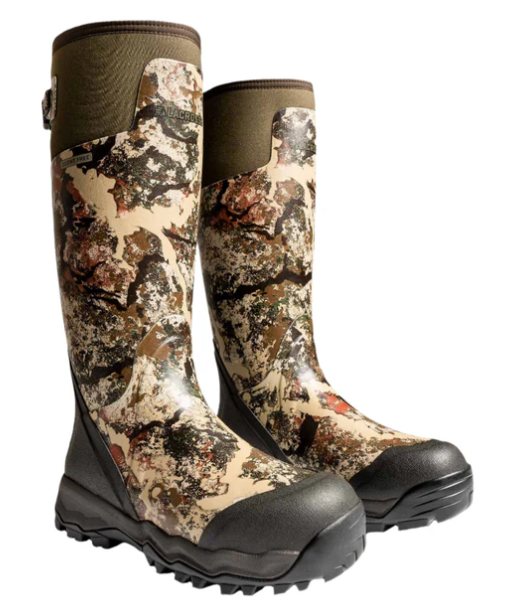
Best Rubber Hunting Boot — LaCrosse Alphaburly Pro 18-Inch Hunting Boots
The LaCrosse Alphaburly Pro is the kind of boot that makes sense when the ground is wet, muddy, swampy, or miserable. Alaska hunters often deal with muskeg, wet tundra, marshy areas, river edges, and soaked vegetation.
A rubber boot is not always the best choice for steep mountain terrain, but for wet country it can be exactly what you need.
Best for: Muskeg, wet tundra, swampy ground, river bottoms, marshes, and hunts where staying dry matters more than ankle-flex comfort.
Check Price on Amazon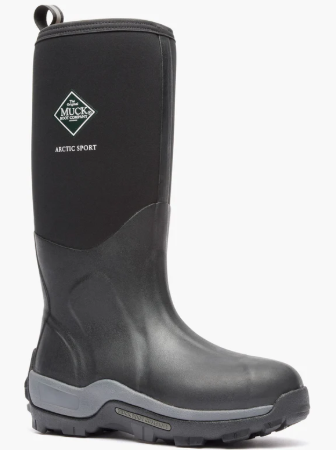
Best Extreme Cold Weather Boot — Muck Arctic Pro Tall Boots
The Muck Arctic Pro Tall Boots are built for cold, wet, snowy conditions. They make sense for winter hunting, snow, wet ground, and situations where warmth and waterproof protection are the top priorities.
I have also used the women's version of these boots and still recommend them for Alaska conditions. They are warm, good in the snow, and dependable in wet weather. My main complaint is that they can feel a little stiff, especially compared to more flexible boots, but the warmth and protection make them worth considering.
Best for: Snow, extreme cold, wet winter conditions, late-season hunts, and hunters who prioritize warmth and waterproof protection.
Check Price on AmazonHunting Boots Comparison Chart
| Product | Best For | Boot Type | Water Protection | Warmth | Terrain Support | Alaska Suitability | Price Range |
|---|---|---|---|---|---|---|---|
| Zamberlan 980 Outfitter GTX RR | Best Overall | Premium Leather Boot | Excellent | Very Good | Excellent | Excellent | $$$$ |
| Kenetrek Mountain Extreme 400 | Mountain Hunting | Insulated Mountain Boot | Excellent | Excellent | Excellent | Excellent | $$$$ |
| Danner Pronghorn | Mid-Range Pick | Waterproof Hunting Boot | Very Good | Good | Very Good | Very Good | $$ |
| Irish Setter Elk Tracker XD | Insulated Leather Boot | Leather Hunting Boot | Very Good | Excellent | Very Good | Very Good | $$$ |
| LaCrosse Alphaburly Pro | Wet Tundra and Muskeg | Rubber Boot | Excellent | Good | Fair | Very Good | $$ |
| Muck Arctic Pro Tall Boots | Extreme Cold and Snow | Insulated Rubber Boot | Excellent | Excellent | Fair | Excellent | $$$ |
What Makes a Good Hunting Boot for Alaska?
Alaska is hard on footwear. A boot that works fine on dry trails may not hold up well once you add wet tundra, muskeg, snow, mud, creek crossings, heavy packs, and long days in rough country.
The right boot depends on the hunt. Mountain hunters need support and stability. Wetland hunters may need tall rubber boots. Late-season hunters need warmth. Road system hunters may want something more flexible and affordable.
Waterproof Protection Matters
Wet feet can ruin a hunt quickly. Alaska hunters often deal with wet brush, rain, shallow water, boggy ground, snow, and cold mud. Waterproof boots are not optional for many hunts here.
Even with waterproof boots, good socks and gaiters can make a big difference. Water often enters from the top of the boot while walking through wet grass, brush, or snow.
Support Matters on Long Pack-Outs
Once an animal is down, the hunt changes. Packing meat over uneven ground is hard work, and your boots need to support your feet and ankles under weight.
For mountain hunts or long backcountry trips, a stiffer supportive boot can help reduce fatigue and provide better stability.
Insulation Depends on the Hunt
More insulation is not always better. If you are hiking hard in mild weather, heavily insulated boots can make your feet sweat. Once your socks are wet from sweat, your feet may get cold later.
For cold-weather hunts, glassing, snow, or slower-moving days, insulated boots can be a huge help. Match the insulation level to the season, temperature, and activity level.
Rubber Boots Have a Place
Rubber boots are excellent for wet tundra, muskeg, swampy ground, boat access, and muddy conditions. They are not always ideal for steep or rocky terrain because they usually provide less ankle structure than mountain boots.
For many Alaska hunts, having both a supportive leather or mountain boot and a rubber boot option can make sense.
Boot Tips for Alaska Hunters
- Break in boots before the hunt.
- Test your socks with your boots before a long trip.
- Carry blister treatment in your first-aid kit.
- Use gaiters in wet brush, snow, and loose debris.
- Dry boots whenever you get the chance.
- Do not wait until the hunt to discover your boots do not fit well.
Do Not Wear Brand-New Boots on a Serious Hunt
Alaska is not the place to break in boots for the first time. Wear them on walks, hikes, chores, scouting trips, and shorter outings before depending on them in the field.
Hot spots, heel slip, toe pressure, and stiffness are much easier to solve before you are five miles from the trailhead or packing meat out in the rain.
Pair Boots With the Right Socks
Good boots can still perform poorly with the wrong socks. Wool or wool-blend socks are usually a better choice than cotton because they manage moisture and still insulate better when damp.
For colder hunts, consider carrying a dry backup pair of socks in your pack. Changing into dry socks can make a long day much more tolerable.
Final Thoughts
The best hunting boots for Alaska depend on where, when, and how you hunt. There is no single perfect boot for every situation, but there are boots that make much more sense for Alaska conditions than others.
For all-around durability and comfort, the Zamberlan 980 Outfitter GTX RR is my favorite overall pick. For steep mountain terrain, the Kenetrek Mountain Extreme 400 is a serious backcountry option. For wet tundra and muskeg, a rubber boot like the LaCrosse Alphaburly Pro is hard to ignore. For extreme cold and snow, the Muck Arctic Pro is a strong choice.
Whatever you choose, make sure your boots are broken in, waterproof, supportive enough for your terrain, and appropriate for the season. Your feet carry the whole hunt.