
Alaska Ferry Travel Guide: What to Know Before You Go
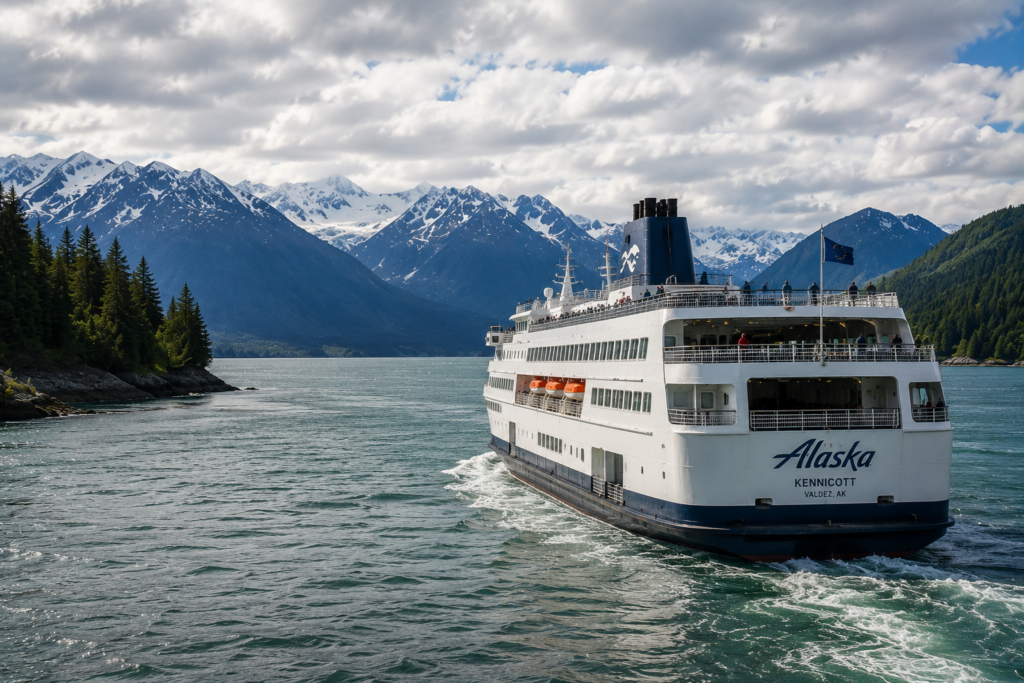
Alaska Ferry Travel Guide: Tips, Packing Lists, and What to Expect
For many travelers, the Alaska Marine Highway is not simply a way to get from one place to another. It is one of the most unique travel experiences in North America.
Unlike a cruise ship, the Alaska ferry system is a working transportation network that connects coastal communities throughout Alaska. For visitors, however, it offers something much more valuable: the opportunity to slow down, travel through some of the most spectacular scenery on Earth, and experience Alaska in a way that few travelers do.
If you have never traveled on the Alaska ferry system before, it can feel confusing at first. Questions about cabins, vehicles, food, schedules, weather, and what to pack are all common.
The good news is that ferry travel in Alaska is relatively straightforward once you understand how it works.
What Is the Alaska Marine Highway?
The Alaska Marine Highway System (AMHS) is a network of ferries that connect communities throughout:
Southeast Alaska
Prince William Sound
Southcentral Alaska
Southwest Alaska
Portions of the Aleutian Islands
Many communities served by the ferry system cannot be reached by road.
Popular ferry destinations include:
Juneau
Ketchikan
Sitka
Haines
Skagway
Whittier
Cordova
Valdez
Yakutat
Petersburg
Wrangell
For many travelers, the ferry itself becomes one of the highlights of the trip.
Why Travel by Ferry?
Traveling by ferry offers experiences that are very different from flying or cruising.
Benefits include:
Incredible scenery
Wildlife viewing
Flexible travel itineraries
Access to remote communities
Bringing your own vehicle
Reduced travel stress
Opportunities to explore at your own pace
The ferry also allows travelers to experience Alaska in a way that feels slower, more authentic, and often more memorable.
Book Early
Summer ferry reservations fill quickly.
This is especially true if you plan to bring:
Cars
Trucks
RVs
Motorcycles
Campers
Trailers
Some routes begin filling months in advance.
When booking:
Reserve as early as possible.
Verify departure ports carefully.
Double-check travel dates.
Monitor schedule changes.
Understand cancellation policies.
Flexibility is important when traveling in Alaska.
Understand That Ferry Schedules Can Change
Unlike traveling in many parts of the Lower 48, Alaska transportation systems occasionally require flexibility.
Schedules can be affected by:
Weather
Mechanical issues
Operational changes
Seasonal demand
Route adjustments
Experienced Alaska travelers often:
Build extra travel days into their itinerary.
Avoid tight connections.
Maintain backup plans.
Expect occasional changes.
A flexible schedule often leads to a more enjoyable trip.
Do You Need a Cabin?
One of the biggest questions travelers ask is whether they should book a cabin.
The answer depends on:
The length of your trip
Your budget
Your comfort preferences
The route you are taking
Private Cabins
Benefits include:
Beds
Private bathrooms
Showers
Privacy
Secure storage
Cabins are particularly helpful for:
Families
Overnight trips
Travelers wanting more comfort
Deck Passage
Many experienced Alaska ferry travelers choose deck passage.
Advantages include:
Lower cost
Greater flexibility
More time outside
Opportunity to meet other travelers
Some passengers even sleep outside in tents or sleeping bags on designated deck areas.
Yes, that is a real thing in Alaska.
Bring a Comfortable Day Bag
You may not always have access to your vehicle during portions of your trip.
Your day bag should carry:
Wallet
Identification
Medications
Electronics
Chargers
Snacks
Water
Camera equipment
Extra clothing layers
Toiletries
A well-organized bag makes ferry travel much easier.
Recommended:
Best Travel Bags for Alaska Adventures
What Should You Pack?
Alaska ferry travel is not luxury travel.
Think of it as a combination of:
Road trip
Camping trip
Scenic cruise
Public transportation
Consider bringing:
Clothing
Base layers
Warm layers
Rain gear
Comfortable clothing
Extra socks
Hats
Gloves
Comfort Items
Travel pillow
Blanket
Eye mask
Ear plugs
Reading material
Food and Drinks
Snacks
Meals
Water bottles
Coffee
Drinks
Entertainment
Books
Tablets
Downloaded movies
Cards
Headphones
Many experienced ferry travelers pack as though they are spending a full day outdoors with indoor shelter available.
Dress for the Deck
The best part of Alaska ferry travel happens outside.
This means preparing for:
Wind
Rain
Cold temperatures
Fog
Ocean spray
Even during summer, bring:
Waterproof jackets
Insulating layers
Hats
Gloves
Comfortable shoes
You will probably spend far more time outside than you expect.
Bring Food
Food service varies by vessel and route.
Many experienced travelers bring:
Sandwiches
Snacks
Instant meals
Water
Coffee
Electrolyte drinks
Food costs in Alaska can be expensive, and having your own supplies gives you flexibility.
Recommended:
Best Water Bottles & Hydration Systems for Alaska
Keep Electronics Charged
Long ferry trips create excellent opportunities for:
Photography
Watching wildlife
Reading
Planning the next destination
Relaxing
Consider bringing:
Power banks
Charging cables
Extra batteries
Backup chargers
Battery life always seems to disappear faster when whales appear.
Recommended:
Best Power Banks for Alaska
Travel Tech Essentials for Alaska
Wildlife Viewing on the Ferry
One of the best reasons to travel by ferry is the opportunity to see wildlife.
Depending on the route and season, you may encounter:
Humpback whales
Orcas
Dall’s porpoises
Sea otters
Harbor seals
Sea lions
Bald eagles
Brown bears
Black bears
Bring:
Binoculars
Cameras
Extra batteries
Telephoto lenses
Some travelers spend the entire trip outside simply watching Alaska pass by.
Bringing Your Vehicle
One of the greatest advantages of Alaska ferry travel is bringing your own vehicle.
Before departure:
Confirm vehicle dimensions.
Arrive early.
Bring everything you’ll need before boarding.
Understand loading procedures.
Remember that you may not have access to your vehicle during portions of your journey.
Ferry Travel With Children
Many families use the Alaska ferry system.
Consider bringing:
Snacks
Entertainment
Games
Tablets
Blankets
Extra clothing
Comfort items
The ferry experience can be an adventure for children if they’re prepared.
Motion Sickness and Weather
Although many ferry routes are relatively protected, rough weather can happen.
If you are prone to motion sickness, consider bringing:
Motion sickness medication
Wristbands
Ginger products
Electrolyte drinks
It is better to prepare before you need them.
Final Thoughts
Traveling on the Alaska Marine Highway is one of the most uniquely Alaskan experiences available.
It is slower than flying. It is less polished than cruising. And that is exactly why so many travelers love it.
Bring layers. Pack snacks. Keep your camera ready. Allow extra time. Be flexible.
Most importantly, slow down and enjoy the journey.
In Alaska, the trip itself is often the destination.