
Watermelon Berries in Alaska
Watermelon Berries in Alaska
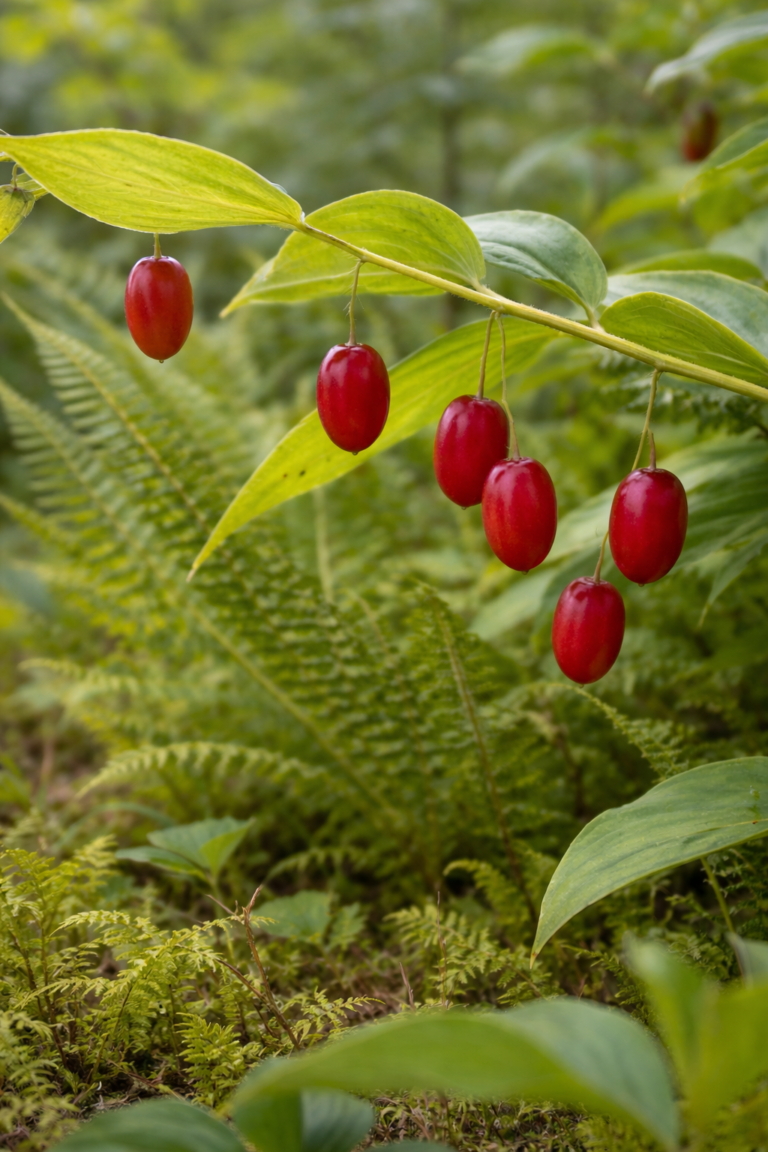
Watermelon berries are one of the more unusual berries found in Alaska. Bright red and slightly translucent, they stand out against the deep green of forest understory plants.
Despite their appearance, they don’t taste like most berries. When ripe, they have a mild, slightly sweet flavor that’s often compared to watermelon.
They grow on delicate, low plants that blend into surrounding vegetation, making them easy to miss if you’re not looking closely.
Where Watermelon Berries Grow
Watermelon berries are most common in:
• Forest understory
• Shaded woodland areas
• Moist, mossy ground
• Creek edges and damp slopes
• Southcentral and Interior Alaska
They prefer cool, shaded environments rather than open tundra or dry ground.
You’ll often find them growing among ferns, moss, and other low forest plants.
Identification
Watermelon berries grow on slender, low plants with:
• Bright red, oval-shaped berries
• Smooth, slightly translucent skin
• Alternating leaves along a thin stem
• Drooping or hanging growth habit
The plant itself is not woody like many berry shrubs. It is soft-stemmed and blends into surrounding vegetation.
The berries typically ripen in mid to late summer.
Why It Matters in Alaska
Watermelon berries are not as widely harvested as other Alaska berries, but they are a memorable find.
They grow quietly in the background of forest ecosystems, often overlooked unless you know what to look for.
Their presence adds to the diversity of edible plants found across Alaska’s landscapes.
Is It Edible?
Yes — watermelon berries are edible.
They are mild and slightly sweet, unlike the tart flavor of many Alaska berries.
Because of their soft texture and subtle flavor, they are usually eaten fresh rather than processed.
How People Use Them
Watermelon berries are most often:
• Eaten fresh while foraging
• Added to mixed berry collections
• Used as a light snack on the trail
They are not commonly used for jams or cooking due to their soft texture and mild flavor.
Because they are delicate, they don’t store well and are best enjoyed shortly after picking.
Why It Matters in Alaska
Watermelon berries are a reminder to slow down while foraging.
They don’t grow in large, obvious patches like blueberries or lingonberries. You have to look for them — tucked into shaded forest floors and hidden among other plants.
Once you learn to spot them, they become one of those small discoveries that make time in Alaska’s forests more rewarding.
Learn more edible species in Berries of Alaska.