
Disclosure: This page may contain affiliate links. As an Amazon Associate, I earn from qualifying purchases at no extra cost to you.
Mosquitoes are part of Alaska travel, especially during summer. Some areas are not bad at all, while others can make you question every decision that brought you outside. Interior Alaska, wet areas, lakes, rivers, campgrounds, fishing spots, and still evenings can all bring heavy insect activity.
The best insect repellents for Alaska are the ones that match how you are actually traveling. A road trip traveler sitting outside a cabin may need something different than a hiker, fisherman, camper, or cruise visitor heading inland for an excursion.
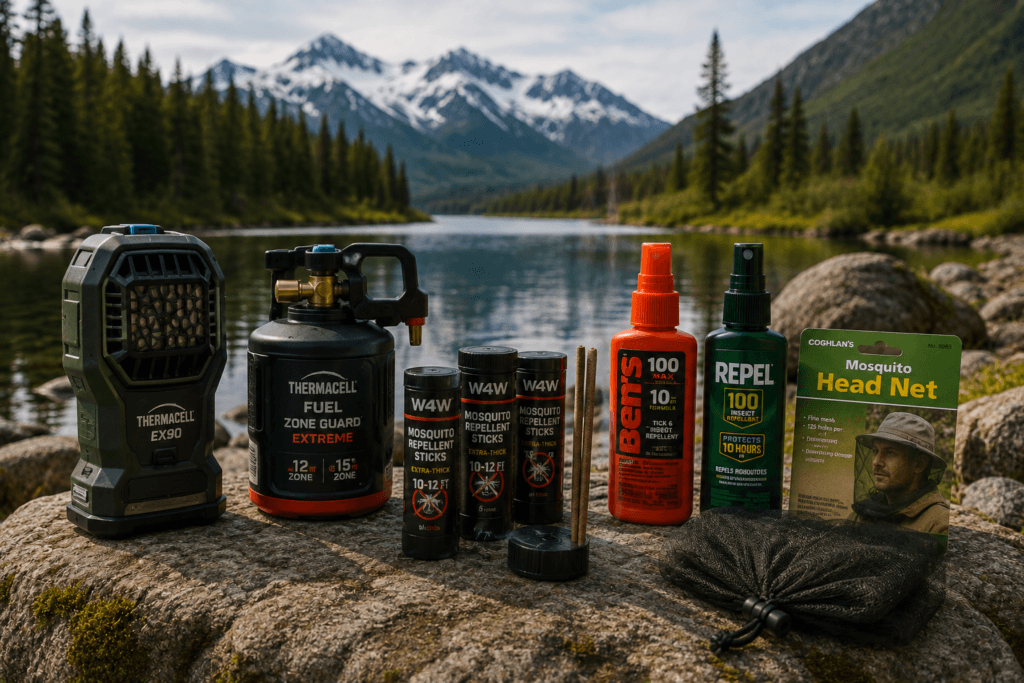
This guide covers practical mosquito protection for Alaska, including Thermacell repellents, DEET sprays, mosquito repellent sticks, and head nets that can help make summer travel much more comfortable.
Quick Navigation
- Quick Picks
- Best Insect Repellents for Alaska
- Insect Repellent Comparison Chart
- Why Bug Protection Matters in Alaska
- Thermacell vs. Spray Repellent
- When DEET Makes Sense
- When to Bring a Head Net
- Bug Protection for Camping and Cabins
- Bug Protection for Fishing and Hiking
- Common Mosquito Protection Mistakes
- Frequently Asked Questions
- Final Thoughts
Quick Picks
- Best Overall: Thermacell Rechargeable Adventure EX90
- Best Stationary Camp Option: Thermacell Fuel-ZoneGuard
- Best Patio and Cabin Option: W4W Mosquito Repellent Sticks
- Best Strong Spray: Ben's 100 DEET
- Best Backup Spray: Repel 100 Insect Repellent
- Best Simple Protection: Coghlan's Mosquito Head Net
Best Insect Repellents for Alaska
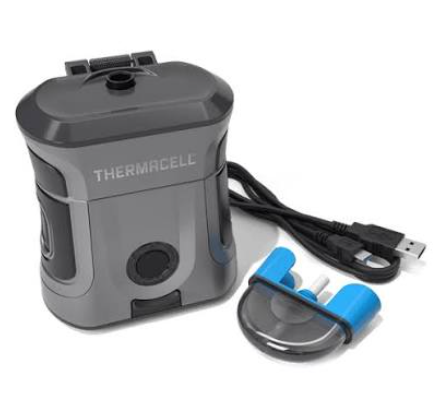
Best Overall — Thermacell Rechargeable Adventure EX90
The Thermacell Rechargeable Adventure EX90 is one of my favorite mosquito solutions for Alaska because it creates a protection zone instead of relying only on spray. This is especially useful when you are sitting outside, eating, camping, relaxing near a cabin, or spending time in one area.
I have used Thermacell devices in Alaska, and they work especially well when you set up two or three together to create a little dome of protection. That can make a huge difference during summer evenings when the mosquitoes start showing up.
This is not a replacement for every type of repellent, especially if you are hiking or constantly moving, but for stationary use it can be excellent.
Best for: Cabins, campsites, picnic areas, fishing spots, decks, road trips, and creating a mosquito protection zone.
Check Price on Amazon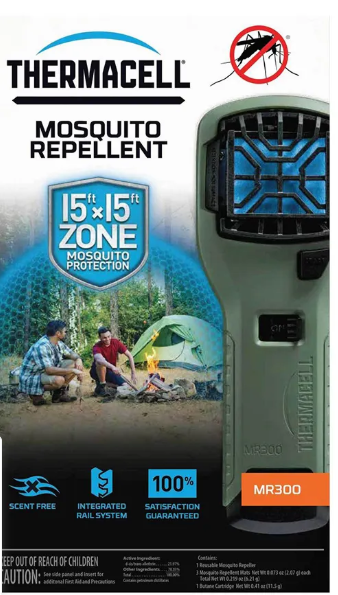
Best Stationary Camp Option — Thermacell Fuel-ZoneGuard
The Thermacell Fuel-ZoneGuard is another strong option for stationary mosquito protection. It works best when you are not constantly moving around, which makes it useful for camp chairs, picnic tables, fishing setups, cabins, patios, and outdoor cooking areas.
In Alaska, this kind of product is helpful because mosquitoes often become worse when the air is still and you are staying in one spot. If you are sitting near water, hanging around camp, or trying to enjoy a summer evening outside, a zone-style repellent can make things much more pleasant.
This is a good addition to a bug protection system, especially if you already know you will be spending time outdoors in one area.
Best for: Campsites, cabins, patios, outdoor meals, fishing setups, and stationary mosquito protection.
Check Price on Amazon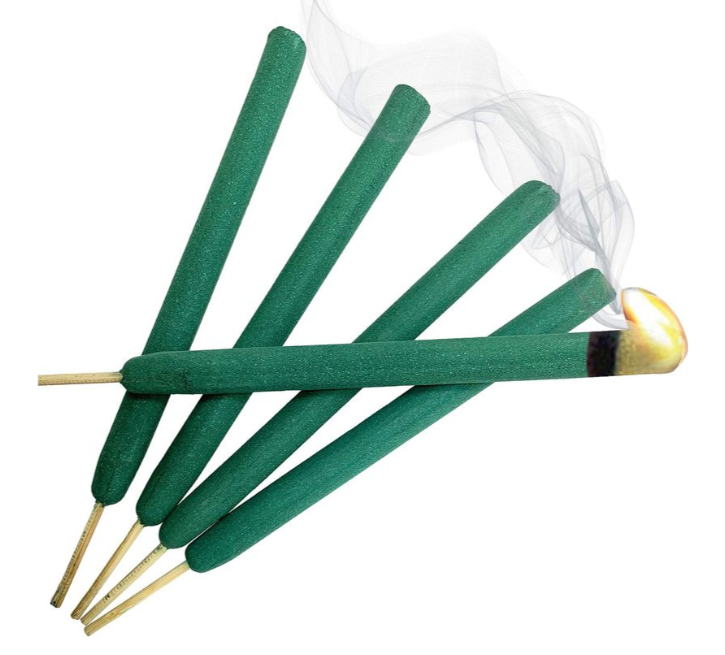
Best Patio and Cabin Option — W4W Mosquito Repellent Sticks
W4W Mosquito Repellent Sticks are useful for travelers who want a simple outdoor option for cabins, patios, picnic tables, campsites, and slower evenings outside. They are not the product I would rely on while hiking, but they can help around a stationary area.
These make the most sense when you are setting up a small outdoor space and want to make it more comfortable. That could be outside an Airbnb, at a cabin, near a camper, or around a picnic area during summer.
For Alaska, I like having multiple layers of bug protection. Sticks like these can be part of that system when you are trying to enjoy time outside without constantly swatting mosquitoes.
Best for: Cabins, patios, picnic tables, campsites, slow evenings outside, and adding another layer of mosquito protection.
Check Price on Amazon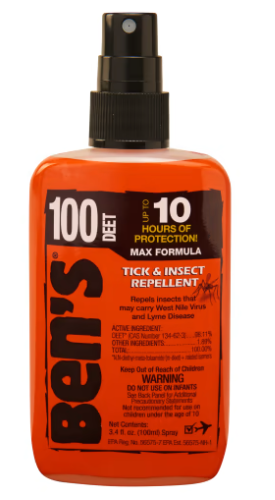
Best Strong Spray — Ben's 100 DEET
Ben's 100 DEET is for situations where you need serious spray protection. Alaska mosquitoes can be intense in certain areas, especially around wetlands, rivers, lakes, brushy trails, and still summer evenings.
A strong DEET spray makes sense when you are hiking, fishing, camping, berry picking, walking through brush, or spending time somewhere the mosquitoes are aggressive. It is not always necessary for casual town travel or every cruise stop, but it can be very useful when bugs are bad.
Use strong repellents carefully and follow the label directions, especially with children, sensitive skin, clothing, and gear.
Best for: Heavy mosquitoes, fishing, hiking, camping, brushy areas, Interior Alaska, and serious summer bug conditions.
Check Price on Amazon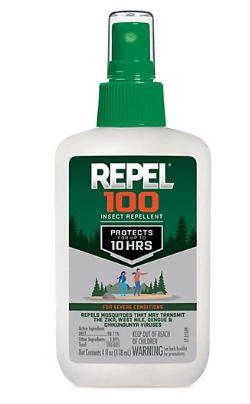
Best Backup Spray — Repel 100 Insect Repellent
Repel 100 is another strong insect repellent option for Alaska travelers who want backup spray protection. Having more than one repellent method is useful because Alaska bug conditions can change dramatically depending on location, weather, and time of day.
This kind of spray makes sense for travelers heading into areas where mosquitoes are likely: campgrounds, fishing spots, riverbanks, lake areas, wetlands, and hiking trails. It is also useful to keep in a vehicle or gear bag during summer travel.
Even if you use Thermacell devices around camp, a spray repellent is still useful when you start moving around.
Best for: Backup protection, hiking, fishing, camping, road trips, and travelers who want a strong spray option available.
Check Price on Amazon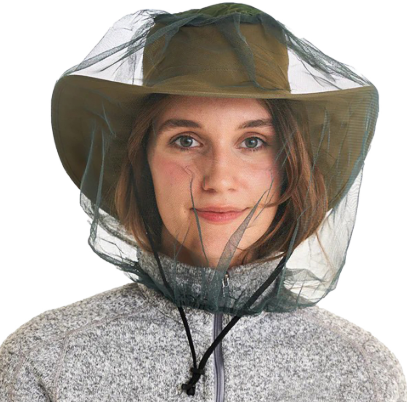
Best Simple Protection — Coghlan's Mosquito Head Net
A mosquito head net is not glamorous, but in Alaska it can be one of the most effective pieces of bug protection you carry. When mosquitoes are thick, keeping them off your face makes a huge difference.
This is especially useful for hiking, fishing, camping, photography, backpacking, berry picking, and visiting areas with heavy insects. It also weighs almost nothing, which makes it easy to throw into a day pack or emergency kit.
If you are traveling to Interior Alaska in summer or spending time around wetlands, lakes, rivers, or backcountry areas, a head net is worth considering.
Best for: Heavy mosquitoes, hiking, fishing, camping, backcountry travel, photography, and lightweight bug protection.
Check Price on AmazonInsect Repellent Comparison Chart
| Product | Best For | Repellent Type | Best Use | Moving Around | Alaska Suitability | Price Range |
|---|---|---|---|---|---|---|
| Thermacell Rechargeable Adventure EX90 | Best Overall | Zone repellent | Camp and cabin areas | Poor | Excellent | $$$ |
| Thermacell Fuel-ZoneGuard | Stationary Camp Use | Zone repellent | Picnic tables and patios | Poor | Very Good | $$ |
| W4W Mosquito Repellent Sticks | Cabins and Patios | Repellent sticks | Outdoor sitting areas | Poor | Good | $ |
| Ben's 100 DEET | Strong Spray | DEET spray | Heavy bugs | Excellent | Excellent | $ |
| Repel 100 Insect Repellent | Backup Spray | DEET spray | Hiking and fishing | Excellent | Very Good | $ |
| Coghlan's Mosquito Head Net | Simple Protection | Physical barrier | Heavy mosquito areas | Excellent | Excellent | $ |
Why Bug Protection Matters in Alaska
Mosquitoes are not bad everywhere in Alaska all the time, but when they are bad, they can change the entire experience. Visitors are often surprised by how intense they can be around wetlands, lakes, rivers, campgrounds, and brushy areas.
Good bug protection helps you enjoy the parts of Alaska you came to see. It makes hiking, fishing, camping, wildlife viewing, picnicking, and sitting outside much more comfortable.
Bug protection is not just about comfort either. Constant swatting, scratching, and distraction can make outdoor time stressful, especially for kids or travelers who are not used to heavy mosquitoes.
Thermacell vs. Spray Repellent
Thermacell products and spray repellents solve different problems. Thermacell works best when you are staying in one area. Spray repellents work better when you are moving.
If you are sitting outside a cabin, eating at camp, relaxing near a vehicle, or hanging around a fishing setup, Thermacell can be excellent. If you are hiking, walking through brush, or moving constantly, spray repellent or a head net is usually more practical.
For Alaska, the best approach is often a combination. Use Thermacell for your sitting area, spray for your body when needed, and a head net when mosquitoes are truly thick.
When DEET Makes Sense
DEET sprays make sense when mosquitoes are heavy and you need protection that stays with you while you move. This is common during fishing, hiking, camping, berry picking, and travel through wet or brushy areas.
Some travelers prefer lighter repellents, and that is fine when bugs are mild. But in serious mosquito conditions, strong spray can make the difference between enjoying your trip and retreating inside.
Always follow product directions carefully, especially around children, sensitive skin, clothing, plastics, and outdoor gear.
When to Bring a Head Net
A head net is one of the simplest and most effective mosquito tools for Alaska. It does not run out of batteries, does not spill, and does not require reapplying anything.
Head nets are especially useful when mosquitoes are swarming around your face. That can happen near wetlands, lakes, rivers, brush, and backcountry areas. They are also helpful for photography, fishing, and hiking when you need to focus.
They may look ridiculous, but in Alaska, comfort wins.
Bug Protection for Camping and Cabins
Camping and cabin stays are where layered mosquito protection works best. A Thermacell setup can help around your sitting area, repellent sticks may help near patios or picnic tables, and spray can protect you when you walk away from camp.
If mosquitoes are heavy, set up your protection before they become unbearable. It is much easier to prevent a miserable evening than to rescue one after everyone is already covered in bites.
For summer cabin trips, I would rather over-prepare for bugs than spend the whole evening trapped inside.
Bug Protection for Fishing and Hiking
Fishing and hiking usually require bug protection that moves with you. Sprays and head nets are more useful than stationary zone repellents when you are walking, casting, moving along a trail, or standing near water.
Mosquitoes often gather around calm water, brush, and shaded areas. If your Alaska plans involve rivers, lakes, or trails, bring bug protection even if the forecast looks beautiful.
Nothing ruins a peaceful fishing spot faster than realizing you forgot mosquito repellent.
Common Mosquito Protection Mistakes
One common mistake is assuming mosquitoes will not be a problem because you are on vacation or staying near popular destinations. Bugs do not care how much you paid for the trip.
Another mistake is relying on only one method. A Thermacell is great when you are sitting still, but less useful when hiking. Spray works when moving, but some people dislike wearing it constantly. A head net is simple, but it does not protect your hands or clothing.
The best Alaska bug strategy is usually layered: zone protection, spray protection, and physical protection when needed.
Frequently Asked Questions
Are mosquitoes really that bad in Alaska?
They can be. Some places and days are mild, while others are intense. Mosquitoes are usually worse around wetlands, lakes, rivers, brushy areas, and still summer evenings.
Do I need insect repellent for an Alaska cruise?
Not always on the ship or in every port, but it is smart to bring some if you are doing inland excursions, hiking, fishing, wildlife tours, or travel away from coastal breezes.
Does Thermacell work in Alaska?
Yes, Thermacell can work very well when you are staying in one area. It is especially useful around campsites, cabins, patios, picnic tables, and fishing setups. I have found them to work best with more than one. If you get a few and create a perimeter around where you are hanging out, these are VERY effective.
Is spray better than Thermacell?
It depends on what you are doing. Spray is better when you are moving. Thermacell is better when you are sitting in one area. Many travelers benefit from having both.
Should I bring a mosquito head net to Alaska?
If you are traveling in summer and spending time outdoors, especially in Interior Alaska or near wetlands, a head net is worth considering. It is small, light, and very useful when mosquitoes are thick.
What is the best mosquito protection for Alaska camping?
For camping, a combination works best: Thermacell for the camp area, spray for moving around, and a head net for heavy mosquito conditions.
Final Thoughts
The best insect repellent for Alaska depends on where you are going and how you will spend your time. If you are sitting outside at a cabin or campsite, Thermacell products can make a big difference. If you are hiking, fishing, or moving through brush, spray and a head net are more useful.
For most summer Alaska travelers, the smartest approach is not choosing one product. It is building a simple bug protection system that matches your trip.
Bring something for stationary areas, something for your body when you are moving, and something simple like a head net for the days when mosquitoes are especially bad. Alaska is much easier to enjoy when you are not spending the entire trip swatting bugs.