
Disclosure: This page may contain affiliate links. As an Amazon Associate, I earn from qualifying purchases at no extra cost to you.
Power matters in Alaska more than people expect. Phones, cameras, GPS devices, satellite communicators, drones, headlamps, and tablets all depend on batteries, and many Alaska trips involve long stretches away from easy charging.
The best solar chargers and battery banks for Alaska should help you keep essential devices powered during road trips, camping trips, photography outings, fishing days, remote cabin stays, and backcountry travel. Cold weather, long days, limited outlets, and changing plans can all drain electronics faster than expected.
This guide covers practical solar chargers, power banks, and portable power options for Alaska adventures, including lightweight chargers, larger power stations, rugged battery banks, and travel-friendly backup power.
Quick Navigation
Quick Picks
- Best Portable Power Station: Anker SOLIX C1000 Gen 2 with 100W Solar Panel
- Best Budget Solar Charger: BigBlue 28W Solar Charger
- Best Premium Solar Panel: Jackery SolarSaga 100
- Best Overall Power Bank: Anker 737 Power Bank
- Best Value Power Bank: INIU 27000mAh Power Bank
- Best Rugged Power Bank: Goal Zero Venture 75
Best Solar Chargers and Battery Banks for Alaska
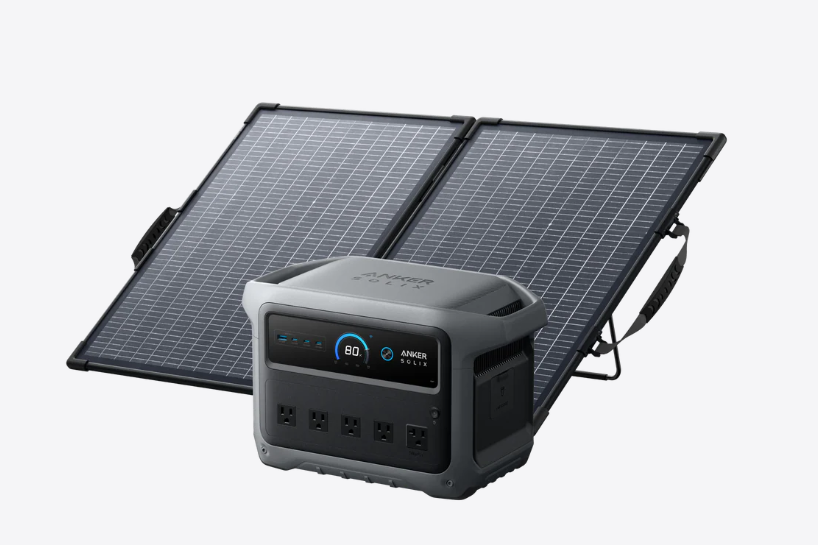
Best Portable Power Station — Anker SOLIX C1000 Gen 2 with 100W Solar Panel
The Anker SOLIX C1000 Gen 2 with a 100W solar panel is a strong option for travelers who need more than a small power bank. This is the kind of setup that makes sense for camping, cabin stays, long road trips, power outages, and extended Alaska travel where multiple devices need charging.
For Alaska, a portable power station can be useful if you are running camera batteries, phones, laptops, lights, GPS units, drone batteries, or other electronics. It is not something every casual traveler needs, but it can be incredibly useful for longer trips and more gear-heavy adventures.
Best for: Camping, remote cabins, road trips, photography trips, drone charging, emergency backup power, and longer Alaska adventures.
Check Price on Amazon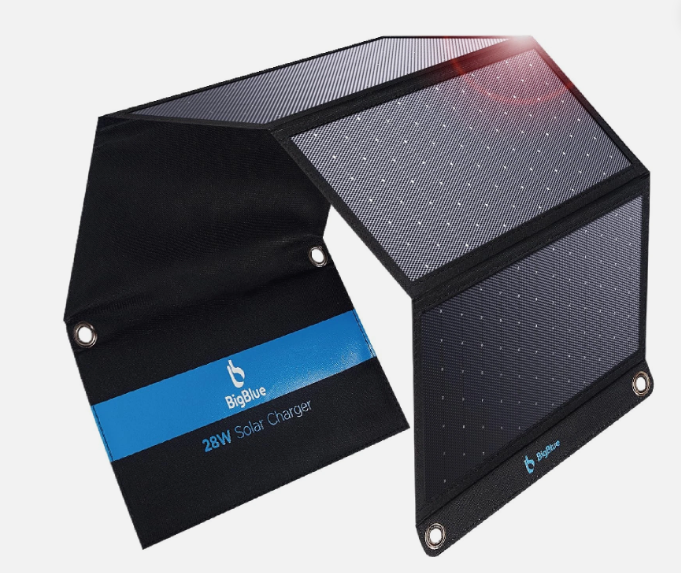
Best Budget Solar Charger — BigBlue 28W Solar Charger
The BigBlue 28W Solar Charger is a practical budget-friendly solar option for people who want lightweight charging support without carrying a full power station. It is useful for phones, small devices, and backup charging when you have decent sunlight.
In Alaska, solar charging works best when you think of it as supplemental power rather than your only plan. Summer daylight can help, but clouds, rain, shade, and travel schedules can all affect charging. A small solar panel like this is most useful when paired with a power bank.
Best for: Budget solar charging, camping, phones, small electronics, summer trips, and backup charging in Alaska.
Check Price on Amazon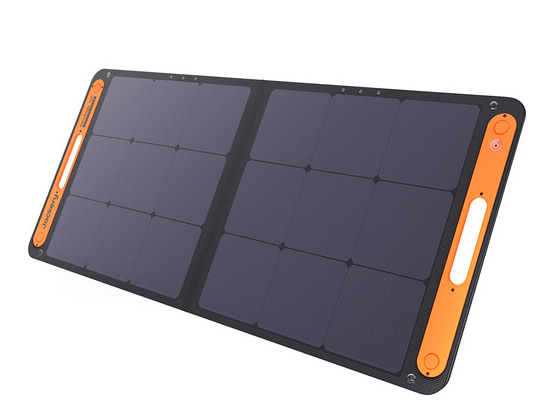
Best Premium Solar Panel — Jackery SolarSaga 100
The Jackery SolarSaga 100 is a strong solar panel option for travelers who want more charging capability than a small backpacking panel. It is especially useful for camping, RV-style travel, cabin trips, and pairing with compatible portable power stations.
Alaska's long summer daylight can make solar charging more useful than people expect, but the weather still matters. A larger panel gives you a better chance of collecting useful power during breaks in the clouds or longer daylight windows.
Best for: Camping, RV travel, cabins, road trips, portable power stations, and travelers who want stronger solar charging capability.
Check Price on Amazon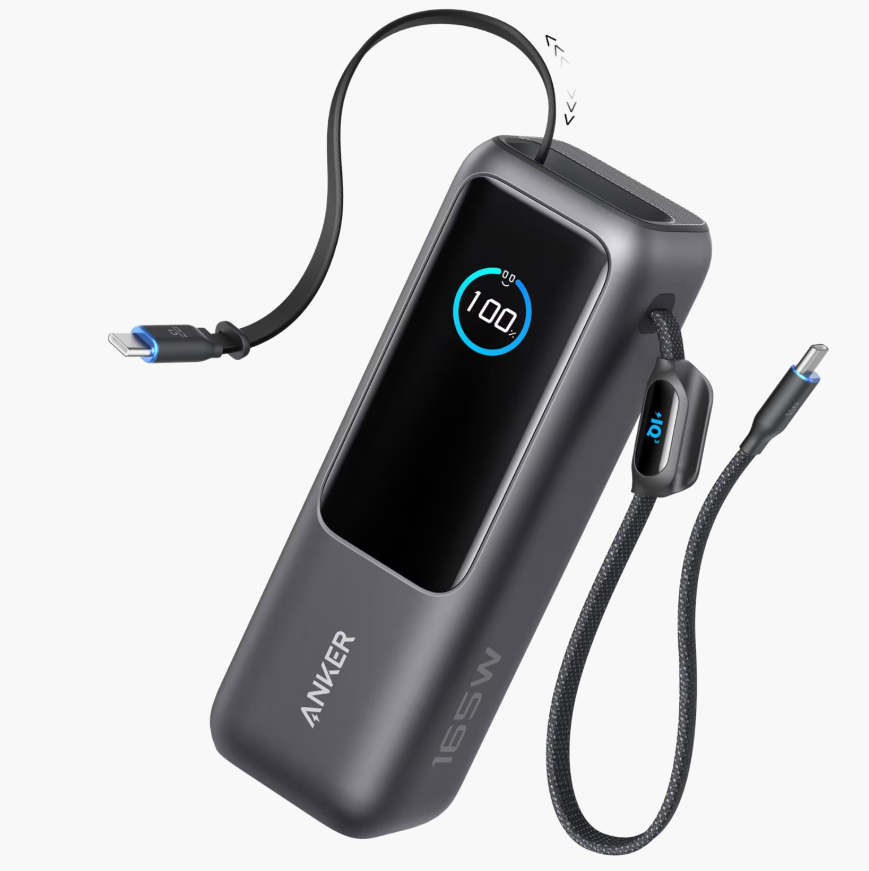
Best Overall Power Bank — Anker 737 Power Bank
The Anker 737 Power Bank is a strong everyday power bank for Alaska travel because it can support phones, cameras, tablets, and other USB-powered devices. It is small enough to travel with but powerful enough to be genuinely useful during long days away from outlets.
This is the kind of backup power that makes sense for road trips, photography outings, northern lights viewing, airport days, ferry travel, hiking days, and campgrounds. It is one of the simplest ways to avoid dead devices when plans run long.
Best for: Phones, cameras, travel days, photography trips, road trips, northern lights outings, and general Alaska backup power.
Check Price on Amazon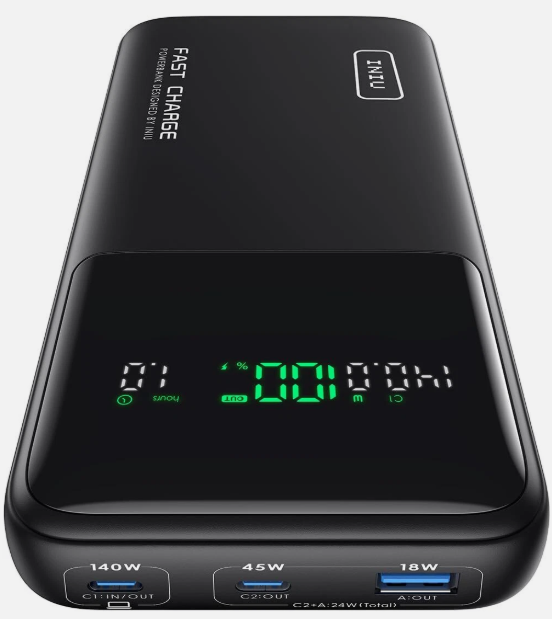
Best Value Power Bank — INIU 27000mAh Power Bank
The INIU 27000mAh Power Bank is a good value option for travelers who want a larger battery bank without spending premium power station money. It gives you extra charging capacity for phones, cameras, headlamps, GPS devices, and other small electronics.
For Alaska travel, a higher-capacity power bank can be helpful when you are camping, driving long distances, taking tours, or spending full days away from outlets. It is especially useful when more than one device needs power.
Best for: Value-focused travelers, phones, small electronics, camping, road trips, backup charging, and longer Alaska travel days.
Check Price on Amazon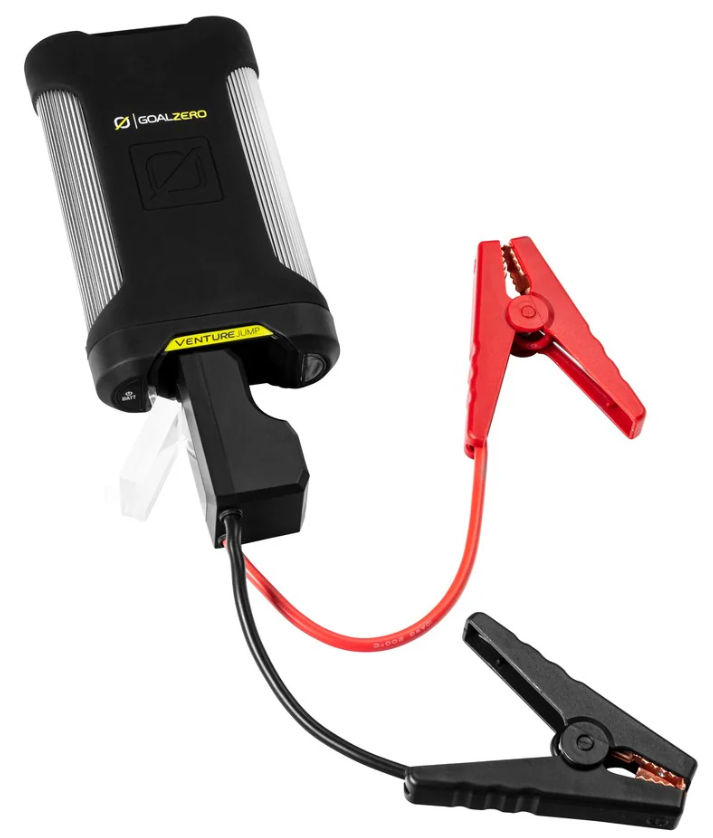
Best Rugged Power Bank — Goal Zero Venture 75
The Goal Zero Venture 75 is a rugged power bank option for travelers who expect rougher outdoor use. It makes sense for hiking, camping, fishing, boating, hunting, photography, and trips where gear may get bumped around or exposed to wet conditions.
For Alaska, ruggedness can matter as much as capacity. A power bank that rides in a backpack, dry bag, boat, tent, or vehicle should be able to handle real outdoor use. This is a practical option for people who want backup power with a tougher build.
Best for: Rugged outdoor use, hiking, camping, fishing, boating, wet conditions, and Alaska travelers who want durable backup power.
Check Price on AmazonSolar Charger and Battery Bank Comparison Chart
| Product | Best For | Power Type | Best Use | Travel Friendly | Alaska Suitability | Price Range |
|---|---|---|---|---|---|---|
| Anker SOLIX C1000 Gen 2 | Portable Power Station | Power Station + Solar | Camping / Cabins | Fair | Excellent | $$$$ |
| BigBlue 28W Solar Charger | Budget Solar | Solar Panel | Small Devices | Excellent | Good | $ |
| Jackery SolarSaga 100 | Premium Solar Panel | Solar Panel | Camping / Power Stations | Good | Very Good | $$$ |
| Anker 737 Power Bank | Overall Power Bank | Power Bank | Travel / Cameras | Excellent | Excellent | $$ |
| INIU 27000mAh Power Bank | Value Power Bank | Power Bank | Multiple Devices | Excellent | Very Good | $ |
| Goal Zero Venture 75 | Rugged Power Bank | Power Bank | Outdoor Use | Very Good | Excellent | $$ |
Why Backup Power Matters in Alaska
In Alaska, dead batteries are more than annoying. Your phone may be your camera, map, weather tool, reservation holder, flashlight, and communication device. If it dies at the wrong time, your day gets harder fast.
Photography and adventure tech make the problem even bigger. Cameras, drones, GPS units, satellite communicators, headlamps, and tablets all need power. A normal travel charging routine may not be enough when you are outside all day or away from outlets for several days.
Backup power gives you more flexibility. It helps you stay out longer, keep safety tools charged, and avoid missing photos or navigation help because a battery ran out.
Solar Chargers in Alaska
Solar chargers can work well in Alaska, especially during the long daylight hours of summer. Long days give you more time to collect power, which can be useful for camping, road trips, cabins, and extended outdoor travel.
That said, solar charging is not magic. Clouds, rain, shade, angle, and travel schedules all affect performance. A solar panel works best when you have time and sunlight, not when you are constantly moving or dealing with heavy overcast weather.
The best setup is usually solar plus a battery bank. Use the solar panel to charge the battery bank when conditions allow, then use the battery bank to charge your devices when you actually need power.
Battery Banks and Power Banks
Power banks are one of the most practical pieces of tech gear for Alaska travel. They are smaller and easier to use than solar panels, and they work regardless of weather or daylight. For most travelers, a good power bank should come before a solar panel.
A power bank can keep your phone, camera, GPS, action camera, or headlamp running during long days. It is especially useful for road trips, airport days, ferry rides, bus tours, hikes, and northern lights outings.
Capacity matters, but so does reliability. Choose a power bank that matches your devices and carry the correct charging cables. A battery bank does not help if you forgot the cord.
Cold Weather Battery Management
Cold weather drains batteries faster. This applies to phones, cameras, drones, GPS units, headlamps, satellite communicators, and power banks. Even if a device is fully charged indoors, it may not last as long outside in cold conditions.
Keep spare batteries and smaller power banks warm when possible. An inside jacket pocket can help preserve battery performance during cold weather photography, winter travel, or northern lights viewing. Devices often perform better when they are not sitting exposed to cold air.
Charge everything before you leave for the day. Do not assume you can top things off later. Alaska days have a way of running longer than planned.
Road Trips, Camping, and Remote Travel
Road trips are one of the easiest times to manage power because your vehicle can become a charging station. Bring vehicle chargers, charging cables, and a plan for rotating devices while you drive. This helps keep phones, cameras, and power banks ready throughout the day.
Camping and remote travel require more planning. If you will be away from outlets for several days, think through how many devices you need to charge and how often. A larger power bank, solar panel, or portable power station may make sense.
For remote cabins, RV travel, fishing camps, or photography-heavy trips, bigger power solutions can be worth the weight. For day hikes or casual travel, a smaller power bank may be enough.
Choosing Between a Power Bank and a Power Station
A power bank is best for phones, cameras, headlamps, GPS units, and small electronics. It is easy to pack, easy to carry, and useful for most travelers. If you are only charging small devices, a power bank is usually the simpler choice.
A portable power station is larger and heavier, but it can handle more demanding needs. It makes more sense for camping, cabins, road trips, laptops, drone batteries, camera-heavy travel, or situations where multiple devices need power.
Do not buy more power than you are willing to carry. The best power setup is the one that fits your trip, your vehicle, your pack, and your actual charging needs.
Common Power Mistakes
One common mistake is bringing a power bank but forgetting the correct cables. USB-C, Lightning, camera chargers, drone chargers, and GPS cables may all be different. Make a cable checklist before leaving home.
Another mistake is assuming solar charging will solve everything. Solar can help, but it depends on weather and time. A fully charged power bank is more reliable for immediate backup power.
A third mistake is not recharging your backup power whenever you have the chance. If you have access to an outlet, vehicle, or generator, use it. Keeping backup power topped off is easier than recovering from everything being dead at once.
Frequently Asked Questions
Do solar chargers work in Alaska?
Yes, solar chargers can work in Alaska, especially during long summer daylight hours. They work best in clear conditions and when paired with a battery bank. Cloudy weather and shade can reduce performance.
Do I need a power bank for Alaska travel?
A power bank is strongly recommended for most travelers. Phones, cameras, GPS devices, and other electronics can drain quickly during long days, especially when you are away from outlets.
What size power bank should I bring?
For basic phone backup, a smaller power bank may be enough. For cameras, GPS units, long days, or multiple devices, a higher-capacity power bank is better. For camping or drone use, consider larger power solutions.
Are portable power stations worth it?
They can be worth it for camping, cabins, road trips, drone charging, laptops, or photography-heavy travel. They are usually too bulky for casual day use but very helpful for longer trips.
Does cold weather affect power banks?
Yes. Cold weather can reduce battery performance. Keep power banks and spare batteries warm when possible, especially during winter travel, northern lights photography, and cold-weather camping.
Should I rely only on solar power?
No. Solar is best as a supplement. Bring a charged battery bank or power station first, then use solar to recharge when conditions allow.
Final Thoughts
The best solar charger or battery bank for Alaska depends on how remote your trip is and how much gear you need to keep powered. For most travelers, a dependable power bank like the Anker 737 or INIU 27000mAh is the most practical starting point.
For camping, cabins, and more demanding power needs, the Anker SOLIX C1000 Gen 2 with solar panel offers much more capacity. The BigBlue 28W and Jackery SolarSaga 100 are useful solar options, while the Goal Zero Venture 75 is a good rugged power bank for outdoor use.
Alaska gives you plenty of reasons to keep your devices charged. Whether you are photographing wildlife, navigating back roads, camping, flying a drone, or waiting for the northern lights, backup power helps keep the trip moving when outlets are nowhere nearby.