
Disclosure: This page may contain affiliate links. As an Amazon Associate, I earn from qualifying purchases at no extra cost to you.
Drones can capture Alaska in a way that ground photography simply cannot. Glaciers, braided rivers, mountain valleys, coastlines, lakes, remote cabins, and wide-open landscapes all look different from above. If you use them responsibly, drones can help show the size and scale of Alaska in a powerful way.
The best drones for Alaska photography should be dependable, easy to travel with, stable in wind, and capable of producing strong photo and video quality. Battery life matters too, because cold weather, wind, and remote locations can reduce flight time faster than people expect.
This guide covers some of the best drones for Alaska photography, including travel-friendly drones, premium aerial photography options, beginner models, ultralight choices, and alternatives for people who want something outside the standard DJI lineup.
Quick Navigation
Quick Picks
- Best Overall: DJI Air 3S
- Best Travel Drone: DJI Mini 4 Pro
- Best Professional Drone: DJI Mavic 3 Pro
- Best Beginner Drone: DJI Flip
- Best Ultralight Drone: DJI Neo
- Best DJI Alternative: Autel EVO Lite+
Best Drones for Alaska Photography
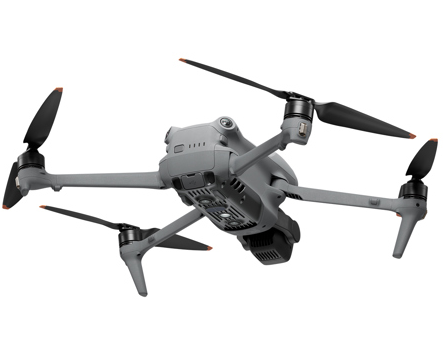
Best Overall — DJI Air 3S
The DJI Air 3S is a strong overall drone for Alaska photography because it balances image quality, flight performance, portability, and advanced features. It gives travelers a capable aerial photography setup without stepping all the way into the largest professional drone systems.
For Alaska, that balance matters. You may be flying near mountains, rivers, lakes, coastlines, or wide-open road trip scenery, and you need a drone that can handle more than perfect backyard conditions. The Air 3S is a good fit for travelers who want serious footage while still keeping the setup manageable.
Best for: Alaska landscapes, road trips, glaciers, rivers, travel photography, aerial video, and all-around drone users.
Check Price on Amazon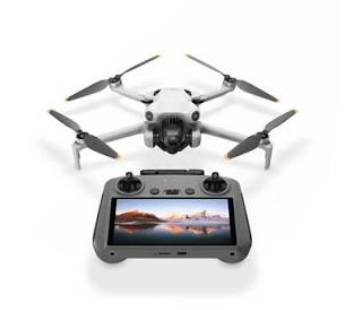
Best Travel Drone — DJI Mini 4 Pro
The DJI Mini 4 Pro is one of the best travel drone options for Alaska because it is compact, lightweight, and easy to pack. If you are trying to keep your gear manageable while still capturing strong aerial footage, this drone makes a lot of sense.
Alaska travel already involves plenty of gear, especially if you are carrying cameras, layers, chargers, rain gear, and outdoor supplies. A smaller drone is easier to bring along on road trips, cruises, day hikes, and scenic stops where space and weight matter.
Best for: Travel, cruises, road trips, lighter drone setups, casual aerial photography, and travelers who want strong footage without a bulky kit.
Check Price on Amazon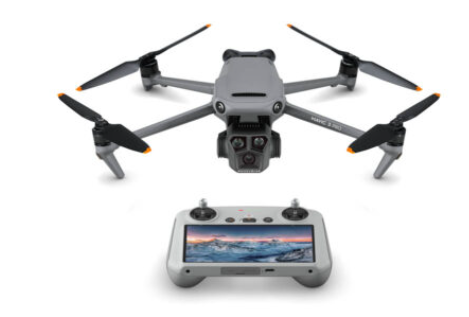
Best Professional Drone — DJI Mavic 3 Pro
The DJI Mavic 3 Pro is a better fit for photographers and filmmakers who want higher-end aerial image quality. It is more drone than many casual travelers need, but it can make sense for serious landscape photography, commercial-style video, and people who want stronger creative control.
In Alaska, premium drone footage can be incredible when conditions cooperate. Glaciers, mountains, fjords, rivers, and coastlines all benefit from better camera quality and more flexible aerial shooting options. If drone photography is one of your main goals, a higher-end model is worth considering.
Best for: Serious aerial photography, professional-style video, landscapes, glaciers, coastal scenery, and photographers who want premium drone performance.
Check Price on Amazon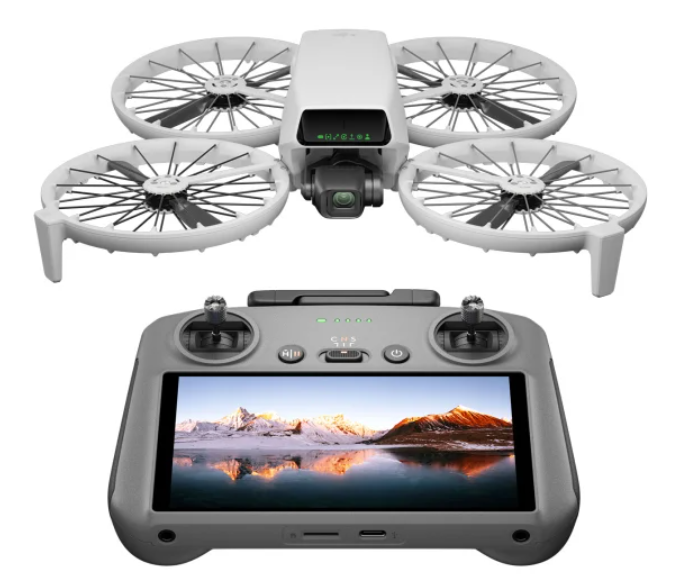
Best Beginner Drone — DJI Flip
The DJI Flip is a good beginner-friendly drone option for travelers who want simple aerial footage without immediately jumping into a more advanced setup. It is useful for people who are newer to drones and want something approachable for travel and casual content.
For Alaska, a beginner drone still needs to be used carefully. Weather, wind, regulations, and wildlife all matter. But for travelers who want scenic clips from legal and appropriate locations, this can be an easier way to get started.
Best for: Beginners, casual travel footage, road trips, social media clips, and travelers who want a simple drone experience.
Check Price on Amazon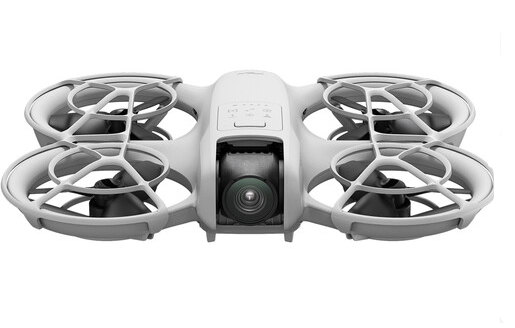
Best Ultralight Drone — DJI Neo
The DJI Neo is a small, lightweight drone option that can be fun for casual Alaska travel and simple adventure footage. It is not meant to replace a more advanced aerial photography drone, but it can be useful for quick clips and easy travel use.
This drone makes sense for people who want something compact and approachable. If you plan to use it often, consider extra batteries and accessories so you are not limited by short sessions. For casual travelers, the small size is part of the appeal.
Best for: Ultralight travel, beginners, casual video, social media clips, simple aerial footage, and travelers who want a very compact drone.
Check Price on Amazon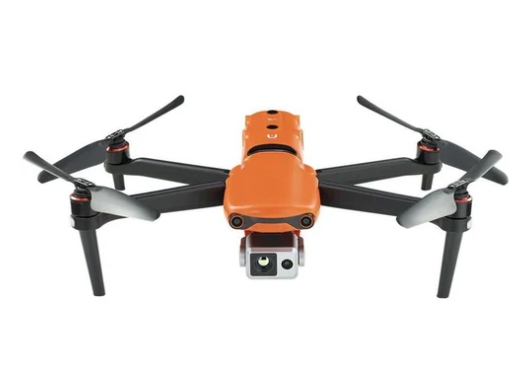
Best DJI Alternative — Autel EVO Lite+
The Autel EVO Lite+ is a good option for people who want a DJI alternative for aerial photography. It offers strong camera capability and can appeal to travelers who want something outside the most common drone ecosystem.
For Alaska photography, a drone like this can work well for landscapes, travel footage, and scenic aerial views when flown responsibly. As with any drone, the biggest factors are not just specs, but weather awareness, battery planning, legal flight areas, and safe operation.
Best for: DJI alternatives, aerial landscapes, travel photography, scenic video, and photographers who want another option for Alaska drone work.
Check Price on AmazonDrone Comparison Chart
| Product | Best For | Drone Style | Travel Friendly | Photo/Video Use | Alaska Suitability | Price Range |
|---|---|---|---|---|---|---|
| DJI Air 3S | Best Overall | Advanced Travel Drone | Very Good | Excellent | Excellent | $$$ |
| DJI Mini 4 Pro | Travel Drone | Compact Drone | Excellent | Very Good | Excellent | $$ |
| DJI Mavic 3 Pro | Professional Drone | Premium Drone | Good | Excellent | Excellent | $$$$ |
| DJI Flip | Beginner Drone | Beginner Drone | Excellent | Good | Very Good | $$ |
| DJI Neo | Ultralight Drone | Compact Drone | Excellent | Good | Good | $ |
| Autel EVO Lite+ | DJI Alternative | Advanced Drone | Good | Very Good | Very Good | $$$ |
Why Drones Work So Well in Alaska
Alaska is built for scale. Mountains, glaciers, rivers, coastlines, and valleys often look impressive from the ground, but a drone can show how large everything really is. A braided river, glacier edge, or mountain lake can look completely different from above.
Drones are especially useful for landscape storytelling. They can show road trip routes, remote cabins, shorelines, camp areas, and the relationship between water, mountains, and open country. That kind of perspective is difficult to capture with a handheld camera.
At the same time, drones are not appropriate everywhere. Some of Alaska's most beautiful places have restrictions, fragile environments, wildlife concerns, or other people trying to enjoy quiet scenery. Good drone photography starts with good judgment.
Know the Rules Before You Fly
Before flying a drone in Alaska, check the rules for the exact area where you plan to launch. Alaska includes national parks, wildlife refuges, state lands, Native corporation lands, private property, local communities, and protected areas. Drone rules can vary by location.
National parks are a major one to pay attention to because recreational drone use is generally prohibited in many park areas. This surprises visitors who arrive hoping to fly in famous scenic locations. Always confirm current rules before you go.
FAA rules still apply, and local restrictions may apply too. Do not assume that open land automatically means open airspace. When I first started flying drones, I ignorantly assumed I could just fly them around however I wanted. This is not the case, you will need to look up which rules work for whichever drone you choose. Responsible drone pilots research before launching.
Weather and Wind
Weather is one of the biggest challenges for drone flying in Alaska. Wind can come up quickly near mountains, glaciers, rivers, coastlines, and open valleys. Even if conditions feel calm where you are standing, the drone may experience stronger wind once it gains altitude.
Wind reduces flight time, affects stability, and can make return flights harder. Always leave more battery margin than you think you need. Alaska is not the place to push a drone battery to the edge.
Rain, fog, snow, and low visibility can also create problems. If the conditions feel questionable, do not force the flight. There will usually be another view worth capturing later.
Battery Life in Alaska
Drone batteries can drain faster in cold weather and wind. This matters in Alaska because temperatures can be cool even in shoulder seasons, and wind is common in many scenic areas. A battery estimate that works at home may not hold up in the field.
Bring extra batteries if drone photography is important to your trip. A single battery is usually not enough for serious aerial photography. You may also want a charging plan for road trips, camping, or long days away from outlets.
Keep batteries warm before flying when conditions are cold. Store them somewhere protected, avoid leaving them exposed longer than needed, and check battery levels carefully before every launch.
Wildlife and Responsible Flying
Wildlife should always come before the shot. Drones can disturb animals, especially birds, marine mammals, bears, moose, and nesting wildlife. If an animal reacts to your drone, you are too close.
Never use a drone to chase, approach, herd, or harass wildlife. Even if the footage would look incredible, it is not worth stressing animals or creating unsafe conditions. Alaska wildlife already faces enough pressure from people.
Some of the best drone footage in Alaska does not involve wildlife at all. Glaciers, rivers, coastlines, mountains, and road trips can all produce beautiful aerial footage without interfering with animals.
Traveling with a Drone in Alaska
Traveling with a drone takes planning. You need the drone, controller, batteries, charging cables, memory cards, protective case, and possibly filters or spare propellers. It is easy for the drone kit to grow larger than expected.
If you are flying, check airline rules for lithium batteries before your trip. Drone batteries usually need to be carried properly, and you should know those rules before arriving at the airport. Keep batteries protected and avoid loose contacts.
For road trips, think about charging. A vehicle charger, power station, or power bank setup can help keep batteries ready. If you are camping or traveling remotely, power planning becomes even more important.
Best Places to Use a Drone in Alaska
The best drone locations are usually places where flying is legal, safe, respectful, and visually interesting. Open landscapes, pullouts, lakes, rivers, gravel bars, coastal areas, and mountain views can all work well when conditions are right.
Look for scenes with scale and texture. Braided rivers, glacier-fed lakes, winding roads, tree lines, shorelines, and mountain ridges can all look beautiful from above. You do not always need to fly high to get an interesting shot.
Avoid crowded areas, wildlife-heavy zones, private property, restricted lands, and places where drone noise would disrupt others. Good drone pilots think about the people and wildlife around them.
Common Drone Mistakes in Alaska
One common mistake is underestimating wind. A drone may fly out easily with the wind but struggle coming back against it. Always think about the return flight before sending the drone too far.
Another mistake is launching without checking rules. Alaska has many land managers and protected areas, so rules can change depending on where you are. Do not rely on assumptions.
A third mistake is forgetting battery and storage needs. Drone footage uses storage quickly, and batteries may not last as long as expected. Bring enough memory cards, batteries, and charging options for the kind of trip you are taking.
Frequently Asked Questions
Can I fly a drone anywhere in Alaska?
No. Drone rules vary by location, land manager, airspace, and local restrictions. Always check the rules before flying, especially near national parks, wildlife refuges, airports, communities, and protected areas.
Are drones allowed in Alaska national parks?
Recreational drone use is generally prohibited in many national park areas. Always check current National Park Service rules for the specific park before your trip.
What drone is best for Alaska travel?
For most travelers, a compact but capable drone like the DJI Mini 4 Pro or DJI Air 3S makes sense. Serious aerial photographers may prefer a higher-end drone like the DJI Mavic 3 Pro.
How many drone batteries should I bring?
Bring more than one if drone photography matters to your trip. Wind, cold, and long scenic days can drain batteries faster than expected. Extra batteries give you more flexibility.
Can drones disturb wildlife?
Yes. Drones can disturb wildlife and should never be used to approach, chase, or pressure animals. If wildlife reacts to your drone, you are too close.
Are small drones good enough for Alaska?
Small drones can work very well for travel, road trips, and casual aerial photography. They are easier to pack and carry, but may be more limited in wind and advanced camera performance compared to larger drones.
Final Thoughts
The best drone for Alaska photography depends on your travel style, skill level, budget, and how serious you are about aerial images. For most people, the DJI Air 3S is a strong overall choice because it balances image quality, features, and travel practicality.
The DJI Mini 4 Pro is excellent for travelers who want something compact. The DJI Mavic 3 Pro is better for serious aerial photographers. The DJI Flip and DJI Neo are more beginner-friendly options, while the Autel EVO Lite+ gives travelers a DJI alternative.
Alaska can produce incredible drone footage, but responsible flying matters. Know the rules, respect wildlife, watch the weather, bring extra batteries, and fly with enough margin to get home safely. The best drone footage comes from preparation, patience, and good judgment.