
Disclosure: This page may contain affiliate links. As an Amazon Associate, I earn from qualifying purchases at no extra cost to you.
Wildlife photography in Alaska is one of the most rewarding kinds of photography you can do here. Moose, bears, eagles, caribou, whales, foxes, and other animals can create once-in-a-lifetime photo opportunities. The challenge is that wildlife is often farther away than people expect, and the moment usually does not last long.
The best wildlife photography gear for Alaska should help you capture animals safely, clearly, and from a respectful distance. That usually means a capable camera body, a lens with enough reach, solid support gear, good binoculars, and a comfortable way to carry everything in the field.
This guide covers practical wildlife photography gear for Alaska, including cameras, lenses, binoculars, and accessories that make sense for real Alaska travel, wildlife viewing, road trips, and outdoor photography.
Quick Navigation
Quick Picks
- Best Wildlife Camera: Canon EOS R7
- Best Mirrorless Wildlife Camera: Sony Alpha a6700
- Best Wildlife Lens: Sigma 150-600mm Contemporary
- Best Lightweight Wildlife Lens: Canon RF 100-400mm
- Best Wildlife Binocular: Vortex Diamondback HD 10x42
- Best Carry System: Peak Design Slide Camera Strap
Best Wildlife Photography Gear for Alaska
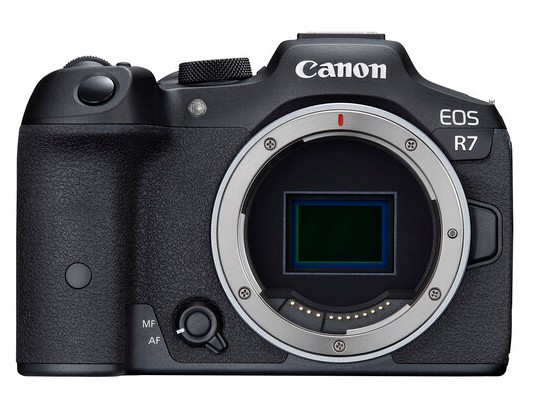
Best Wildlife Camera — Canon EOS R7
The Canon EOS R7 is a strong wildlife camera for Alaska because it gives photographers speed, reach, autofocus performance, and image quality in a relatively compact mirrorless body. Wildlife photography often depends on quick reactions, and the R7 is built for fast-moving subjects.
This camera makes sense for moose, bears, birds, caribou, and other wildlife where distance and movement matter. Paired with the right lens, it gives travelers a serious wildlife setup without stepping all the way into large professional full-frame systems.
Best for: Serious wildlife photography, birds, moose, bears, road trips, wildlife tours, and photographers who want a capable crop-sensor camera.
Check Price on Amazon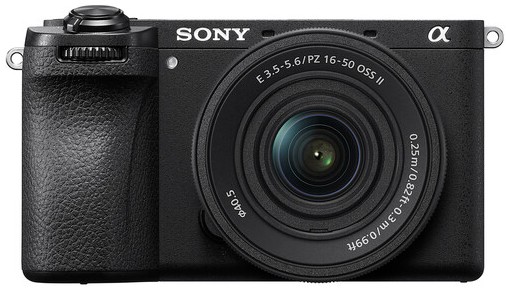
Best Mirrorless Wildlife Camera — Sony Alpha a6700
The Sony Alpha a6700 is a strong mirrorless option for wildlife photographers who also care about travel size, video, and hybrid shooting. It is compact enough for Alaska travel but capable enough for serious photography.
This is a good fit for travelers who want one camera that can handle wildlife, landscapes, video, and everyday trip documentation. If you are photographing animals one minute and filming travel clips the next, the a6700 gives you a lot of flexibility.
Best for: Wildlife photography, hybrid photo and video work, travel creators, road trips, and photographers who want strong performance in a compact body.
Check Price on Amazon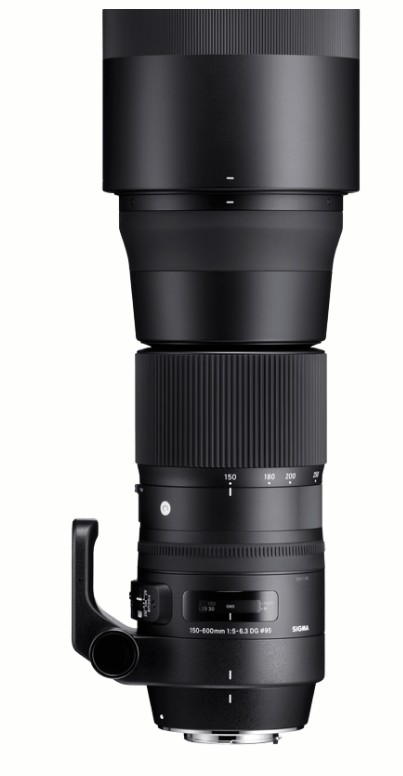
Best Wildlife Lens — Sigma 150-600mm Contemporary
The Sigma 150-600mm Contemporary is a popular wildlife lens because it gives photographers the reach they need for distant animals. In Alaska, that matters because safe wildlife viewing distance is not optional.
Bears, moose, caribou, eagles, and other animals often look much farther away through a normal lens than they do in real life. A long zoom like this gives you more flexibility without constantly needing to move closer.
Best for: Bears, moose, birds, caribou, distant wildlife, road-based photography, and photographers who need serious reach.
Check Price on Amazon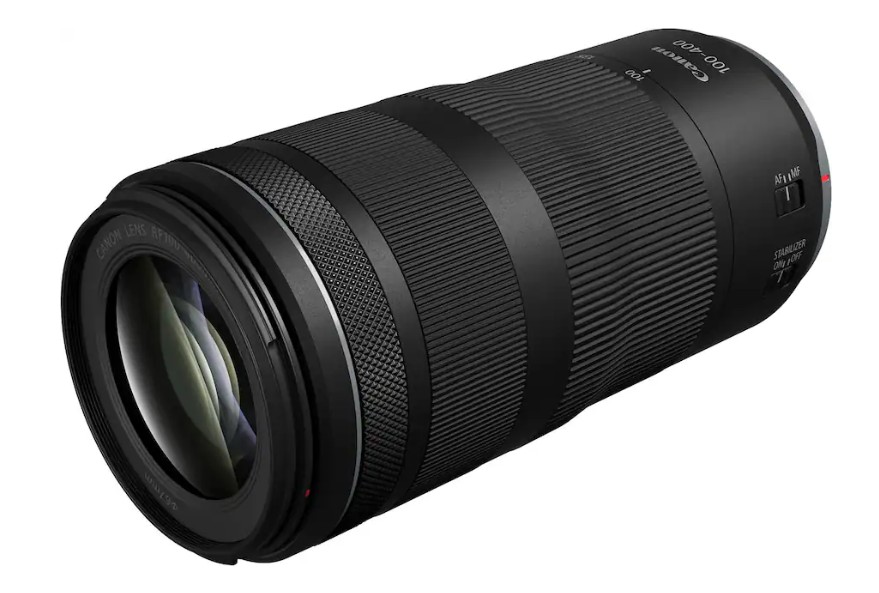
Best Lightweight Wildlife Lens — Canon RF 100-400mm
The Canon RF 100-400mm is a practical wildlife lens for travelers who want reach without carrying a heavy setup. It is easier to pack and carry than larger telephoto lenses, which matters on long Alaska travel days.
This lens makes sense for road trips, cruises, wildlife viewing, casual photography, and travelers using compatible Canon mirrorless cameras. It may not reach as far as larger wildlife lenses, but it is much more manageable for many people.
Best for: Lightweight wildlife photography, Canon mirrorless users, road trips, cruises, wildlife viewing, and travelers who want reach without too much bulk.
Check Price on Amazon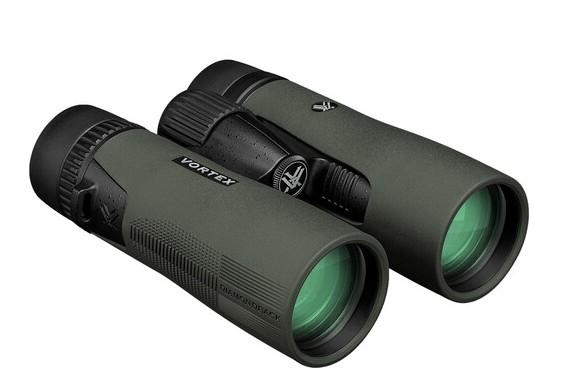
Best Wildlife Binocular — Vortex Diamondback HD 10x42
The Vortex Diamondback HD 10x42 binoculars are useful for wildlife photography because finding animals with your eyes is often easier than searching through a camera lens. Good binoculars help you scan hillsides, rivers, wetlands, roadsides, and open country before setting up your camera.
In Alaska, binoculars are not just hunting gear. They are helpful for wildlife viewers, photographers, road-trippers, and anyone who wants to spot animals at a safe distance. They can save time, reduce unnecessary movement, and help you plan better shots.
Best for: Wildlife spotting, road trips, bear viewing, moose viewing, bird watching, photography scouting, and general Alaska travel.
Check Price on Amazon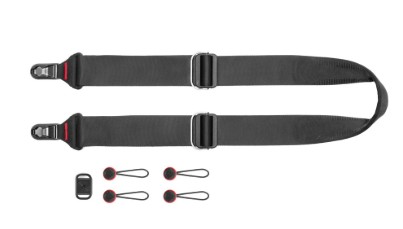
Best Carry System — Peak Design Slide Camera Strap
The Peak Design Slide Camera Strap is useful for wildlife photographers because your camera needs to be accessible. If your camera is buried in your backpack, the moose, eagle, or bear may be gone before you ever get it out.
A comfortable strap makes it easier to keep your camera ready during walks, road stops, wildlife tours, and scenic pullouts. For Alaska, that quick access can make the difference between getting the shot and missing it completely.
Best for: Carrying cameras comfortably, road trips, wildlife tours, hiking, quick access, and photographers who want their camera ready without holding it all day.
Check Price on AmazonWildlife Photography Gear Comparison Chart
| Product | Best For | Gear Type | Wildlife Use | Travel Friendly | Alaska Suitability | Price Range |
|---|---|---|---|---|---|---|
| Canon EOS R7 | Best Wildlife Camera | Camera Body | Excellent | Very Good | Excellent | $$$ |
| Sony Alpha a6700 | Mirrorless Wildlife Camera | Camera Body | Excellent | Excellent | Excellent | $$$ |
| Sigma 150-600mm Contemporary | Long-Range Wildlife | Telephoto Lens | Excellent | Fair | Excellent | $$ |
| Canon RF 100-400mm | Lightweight Wildlife Lens | Telephoto Lens | Very Good | Excellent | Very Good | $$ |
| Vortex Diamondback HD 10x42 | Wildlife Spotting | Binoculars | Excellent | Excellent | Excellent | $$ |
| Peak Design Slide Camera Strap | Carry System | Camera Strap | Very Good | Excellent | Very Good | $ |
Why Wildlife Photography Gear Matters in Alaska
Alaska wildlife photography is different from taking pictures at a zoo, park, or roadside overlook in the Lower 48. Animals are often farther away, conditions change quickly, and you usually do not control the timing. You may wait for hours and then have only a few seconds to react.
Good wildlife photography gear helps you stay ready without pushing too close. A camera with reliable autofocus, a lens with enough reach, and binoculars for spotting can dramatically improve your chances of getting a usable photo.
The right gear also helps you make safer choices. If your lens is too short, it can tempt you to move closer than you should. In Alaska, that is not worth it.
Choosing a Wildlife Camera
A good wildlife camera should be fast, responsive, and comfortable enough to use for long periods. Autofocus matters because animals move. Burst shooting matters because expressions, wing positions, and body movement can change instantly.
Crop-sensor cameras can be useful for wildlife because they make lenses feel like they have more reach. That does not replace good fieldcraft, but it can help when animals are far away. Many Alaska travelers find crop-sensor mirrorless cameras to be a good balance of size, price, and performance.
The best wildlife camera is still the one you know how to use. If you are unfamiliar with autofocus modes, exposure settings, or burst shooting, practice before the trip. Alaska is not the place to learn your camera for the first time.
Choosing Wildlife Lenses
Lens reach is one of the biggest factors in wildlife photography. Moose may sometimes be near the road, but bears, birds, caribou, sheep, goats, foxes, and marine wildlife are often farther away than expected. A telephoto lens lets you photograph animals without crowding them.
For many travelers, a zoom lens is more practical than a prime lens. Wildlife distances change constantly, and a zoom gives you flexibility when an animal moves closer or farther away. It also makes it easier to frame animals in their surroundings instead of only aiming for tight closeups.
Do not forget weight. Long lenses can become tiring fast, especially if you are hiking or carrying other travel gear. The best lens is the one you can actually bring with you.
Safe Distance and Better Photos
Good wildlife photography should never come at the expense of safety. If an animal changes its behavior because of you, you are probably too close. Back up, stay quiet, and let the animal continue naturally.
Long lenses help because they allow you to stay farther away while still filling the frame. Binoculars also help because you can watch behavior before deciding whether a photo opportunity is worth setting up for.
Some of the best wildlife images include the environment around the animal. You do not always need a close-up. A moose in a wetland, a bear along a river, or an eagle in a spruce tree can tell a stronger Alaska story than a cropped image with no context.
Weather Protection for Wildlife Photography
Wildlife does not wait for perfect weather. Rain, fog, snow, overcast skies, and wet brush are all part of photographing animals in Alaska. If you only shoot on bluebird days, you may miss some of the best opportunities.
Protect your gear with rain covers, dry bags, lens cloths, and a practical camera bag. Even if your camera or lens has some weather sealing, it is still smart to limit unnecessary exposure to moisture.
Wet weather can also create beautiful images. Mist, rain, and soft light can add atmosphere to wildlife photos. The key is being prepared enough to stay out when conditions get interesting.
Carrying Your Wildlife Photography Gear
Wildlife photography gear can get heavy quickly. A camera body, long lens, binoculars, tripod, batteries, memory cards, rain cover, and water all add up. If your setup is uncomfortable, you will eventually stop carrying it.
A good strap, backpack, or carry system helps keep your camera accessible. Accessibility matters because wildlife moments often happen fast. The camera you can reach quickly is more useful than the one packed safely at the bottom of your bag.
Think about your trip style. Roadside wildlife viewing, guided bear tours, boat trips, and hiking all require different carry setups. Build a system that matches how you actually travel.
Using Binoculars Before the Camera
Binoculars are one of the most underrated tools for wildlife photographers. They help you scan an area without constantly lifting a heavy camera and lens. They also make it easier to observe behavior before deciding how to photograph an animal.
In Alaska, binoculars are useful from roadsides, riverbanks, trails, boats, and overlooks. You can use them to spot moose in wetlands, bears on hillsides, eagles in trees, or marine wildlife offshore.
Photographers who use binoculars often make better decisions. They move less, disturb animals less, and spend more time watching before shooting.
Tripods, Monopods, and Support Gear
Long lenses are easier to use with support. A tripod, monopod, or stable rest can reduce fatigue and improve sharpness, especially during long wildlife viewing sessions. This matters when you are waiting for animals to move, feed, look up, or step into better light.
Tripods are best when you are staying in one place. Monopods are useful when you need more mobility. Sometimes even resting a lens on a backpack or vehicle window can help stabilize the shot.
Do not overcomplicate it. The goal is to stay steady enough to get sharp images while still being flexible enough to respond when wildlife moves.
Wildlife Photography from Roads and Pullouts
Some of the best wildlife viewing in Alaska happens from roads, pullouts, and scenic drives. Moose, caribou, bears, foxes, eagles, and other animals may appear along highways or gravel roads. This is where having your camera ready matters.
Keep your camera accessible, but do not block traffic or create unsafe situations. Pull completely off the road when possible and stay aware of other vehicles. Roadside wildlife can draw crowds quickly, and safety still matters.
Road-based photography is one reason flexible lenses are useful. Sometimes wildlife is close, sometimes it is far away, and sometimes the best composition includes the surrounding landscape.
Frequently Asked Questions
What lens do I need for Alaska wildlife photography?
A telephoto lens is usually the most useful lens for Alaska wildlife. Something in the 100-400mm range can work for travel, while longer lenses like 150-600mm give more reach for distant animals and birds.
Can I photograph Alaska wildlife with a phone?
You can photograph close or large animals with a phone, but phones struggle with distant wildlife. Most animals will appear very small unless they are dangerously or unusually close. A dedicated camera and telephoto lens are much better for wildlife photography.
Are binoculars useful for wildlife photographers?
Yes. Binoculars help you find wildlife before you point a camera at it. They also make it easier to observe behavior and maintain safe distance.
Do I need a tripod for wildlife photography in Alaska?
You do not always need one, but support gear can help with long lenses and long viewing sessions. Tripods are useful when waiting in one place, while monopods are better when you need to stay mobile.
What is the biggest mistake wildlife photographers make in Alaska?
The biggest mistake is getting too close. No photo is worth stressing wildlife or putting yourself in danger. Use longer lenses, stay patient, and respect the animal's space.
Is weather sealing necessary?
Weather sealing is helpful, but it does not replace common sense. Alaska weather can be wet, windy, and unpredictable, so rain covers, dry bags, and lens cloths are still worth carrying.
Final Thoughts
The best wildlife photography gear for Alaska helps you stay ready, stay safe, and photograph animals from a respectful distance. For serious wildlife work, the Canon EOS R7 and Sony Alpha a6700 are strong camera options, while lenses like the Sigma 150-600mm Contemporary and Canon RF 100-400mm provide useful reach.
The Vortex Diamondback HD 10x42 binoculars are a smart addition because finding wildlife is often the first challenge. A good carry system like the Peak Design Slide also helps keep your camera accessible when something appears quickly.
Alaska wildlife photography rewards patience more than pressure. Bring gear that helps you observe carefully, respect distance, and react when the moment happens. The goal is not just to get closer. The goal is to come home with better photos and better stories.