
Disclosure: This page may contain affiliate links. As an Amazon Associate, I earn from qualifying purchases at no extra cost to you.
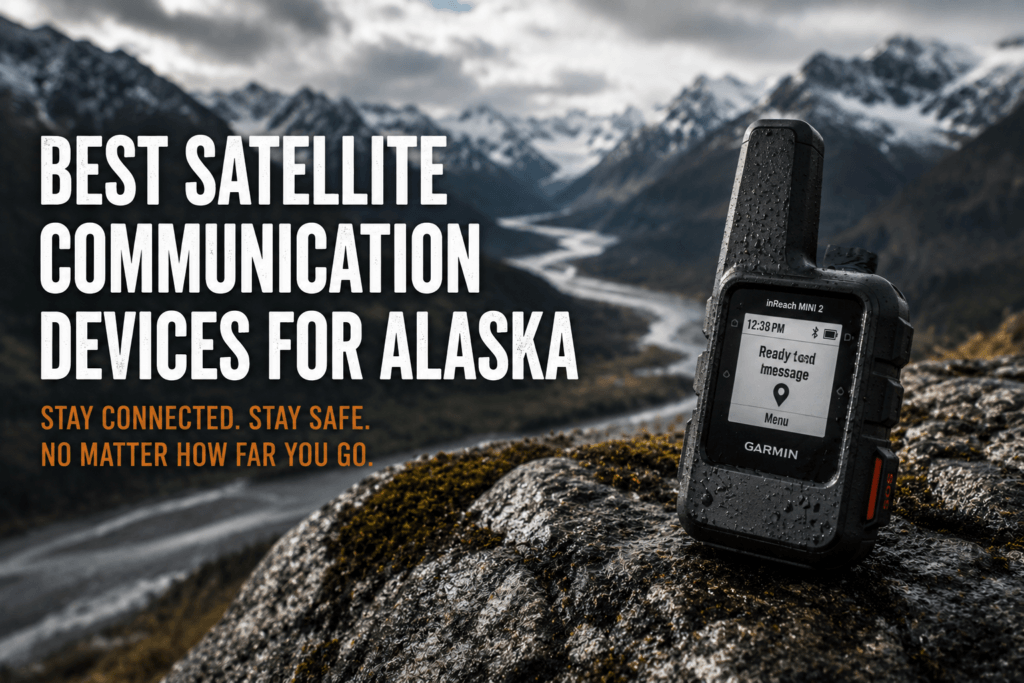
Satellite communication devices are one of the most useful pieces of safety gear you can carry in Alaska. Whether you are road-tripping the state, hunting, hiking, camping, fishing, boating, photographing wildlife, snowmachining, or traveling far from town, cell service can disappear fast.
Alaska is huge, and reliable phone coverage is not something you should assume once you leave populated areas. A satellite communicator gives you a way to check in, send messages, share your location, and request emergency help when your phone no longer works.
This guide covers the best satellite communication devices for Alaska backcountry travel, along with practical advice on when you need one, how they differ from PLBs, subscription plans, and real Alaska situations where satellite communication can matter.
Quick Navigation
- Quick Picks
- Best Satellite Communication Devices
- Comparison Chart
- Why Satellite Communication Matters in Alaska
- Real Alaska Situations Where Satellite Communication Helps
- Satellite Communicators vs. PLBs
- Do You Actually Need One in Alaska?
- Common Alaska Uses
- Understanding Subscription Plans
- Tips for Using Satellite Communicators in Alaska
- Frequently Asked Questions
- Final Thoughts
Quick Picks
- Best Overall Satellite Communicator: Garmin inReach Mini 2
- Best for Battery Life: Garmin inReach Messenger
- Best Phone-Connected Communicator: ZOLEO Global Satellite Communicator
- Best Standalone Messaging Device: SPOT X 2-Way Satellite Messenger
- Best Budget Satellite Communicator: Motorola Defy Satellite Link
- Best Flexible Subscription Option: ACR Bivy Stick Satellite Communicator
Best Satellite Communication Devices for Alaska Backcountry Travel
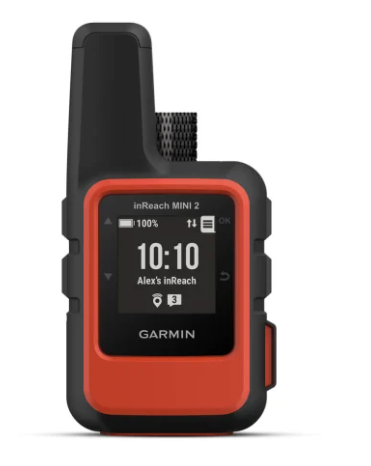
Best Overall Satellite Communicator — Garmin inReach Mini 2
The Garmin inReach Mini 2 is one of the most popular satellite communicators for Alaska because it is compact, lightweight, and dependable. It gives you two-way messaging, location sharing, tracking, weather access, and SOS capability in a small device that is easy to carry.
This is a strong all-around choice for hunters, hikers, backpackers, road-trippers, photographers, and anyone who wants reliable emergency communication without carrying a large device.
Best for: Alaska backcountry travel, hunting, hiking, road trips, camping, and anyone who wants a trusted lightweight satellite communicator.
Check Price on Amazon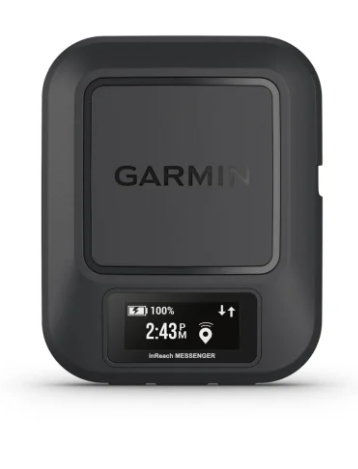
Best for Battery Life — Garmin inReach Messenger
The Garmin inReach Messenger is built for communication and battery efficiency. It is a good choice for people who want reliable satellite messaging, check-ins, SOS capability, and a device that can last through longer trips.
For Alaska travel, battery life matters. Cold weather, long road sections, remote camping, and multi-day trips can drain electronics faster than expected. The inReach Messenger is especially useful when staying connected is more important than having a large screen or full navigation features.
Best for: Longer trips, road travel, camping, RV travel, and users who prioritize messaging and battery life.
Check Price on Amazon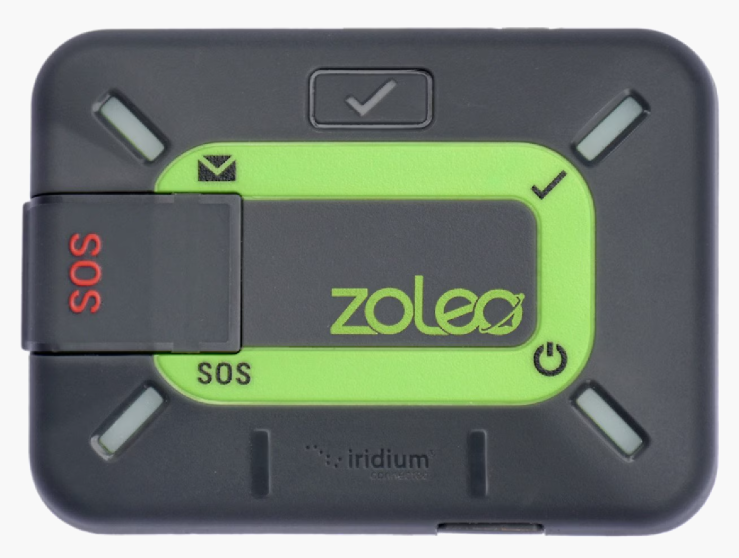
Best Phone-Connected Communicator — ZOLEO Global Satellite Communicator
The ZOLEO Global Satellite Communicator is a strong option for people who prefer using their phone for messaging. It connects through an app and allows two-way satellite messaging, check-ins, location sharing, and SOS support.
This is a good fit for travelers who want satellite communication without needing a complicated standalone device. It works especially well for people who already use their phone for trip planning, maps, photos, and communication.
Best for: Phone-based messaging, travelers, campers, hikers, and people who want a simple app-connected satellite device.
Check Price on Amazon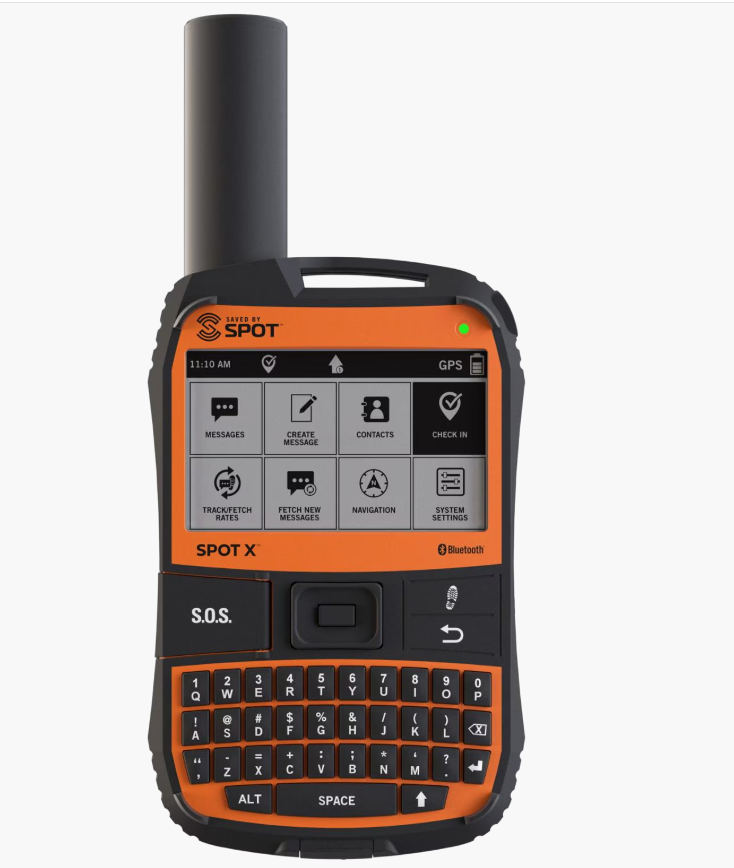
Best Standalone Messaging Device — SPOT X 2-Way Satellite Messenger
The SPOT X stands out because it has a built-in keyboard. That makes it appealing for people who want to send messages without relying as heavily on a phone app.
For Alaska users who prefer a more standalone device, this can be useful. You can send messages, check in, track your location, and access SOS features without needing to type everything through a phone screen.
Best for: Users who want a built-in keyboard, standalone messaging, and satellite communication without relying entirely on a smartphone.
Check Price on Amazon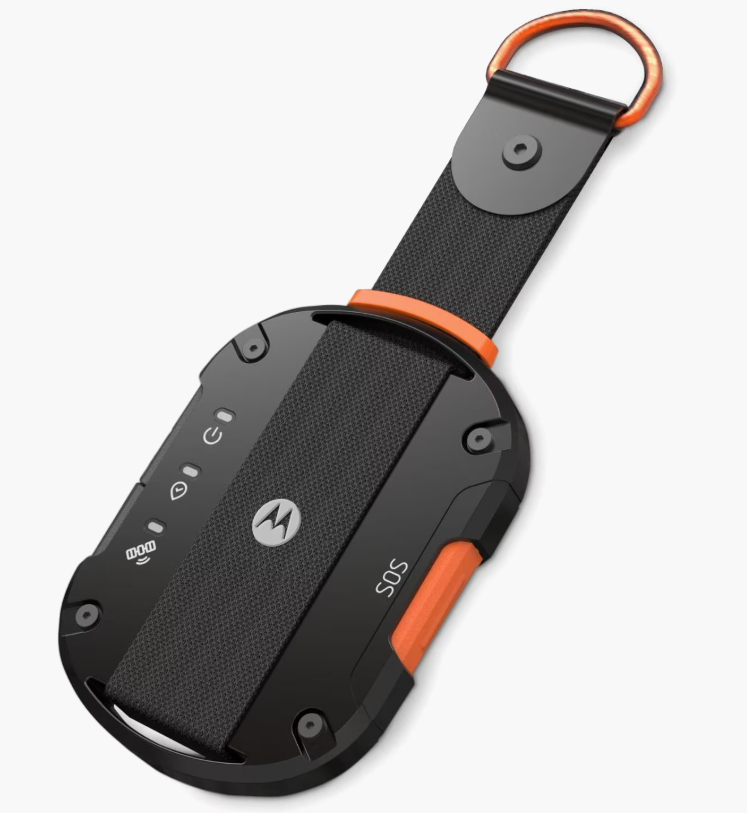
Best Budget Satellite Communicator — Motorola Defy Satellite Link
The Motorola Defy Satellite Link is a budget-friendly satellite communication option for people who want basic off-grid messaging without spending as much as some premium devices.
This is not the most advanced choice on the list, but it may appeal to travelers who want an extra layer of communication for road trips, camping, hiking, or occasional off-grid use in Alaska.
Best for: Budget-conscious travelers, occasional backcountry users, road trips, and people who want basic satellite messaging.
Check Price on Amazon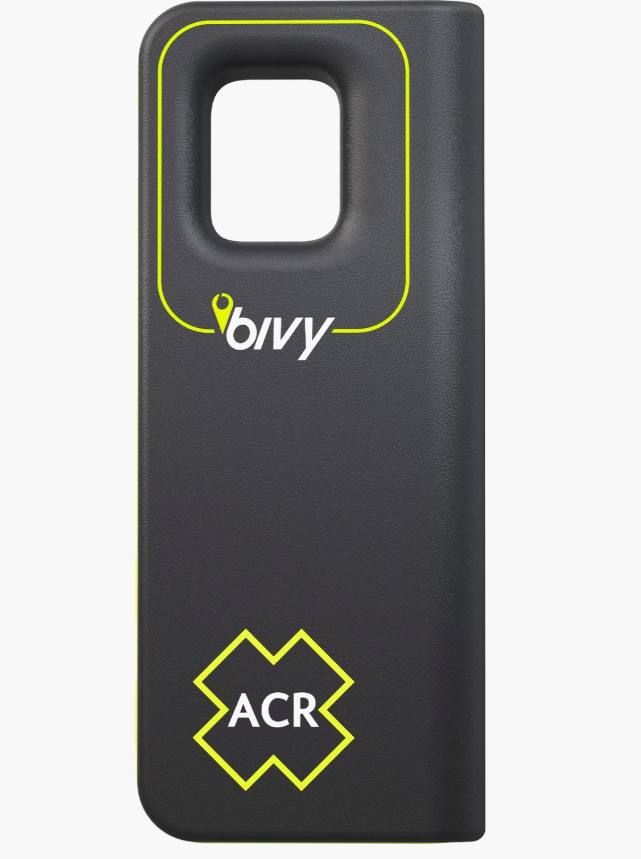
Best Flexible Subscription Option — ACR Bivy Stick Satellite Communicator
The ACR Bivy Stick is a compact satellite communicator that is often considered by people who want flexible plan options and app-based satellite messaging.
For Alaska travelers who do not need satellite communication year-round, flexible subscription options can matter. This can be especially helpful for seasonal hunters, summer road-trippers, visiting photographers, or people planning one major backcountry trip.
Best for: Seasonal use, flexible subscription needs, app-based messaging, and travelers who only need satellite communication for part of the year.
Check Price on AmazonSatellite Communication Device Comparison Chart
| Product | Best For | Device Style | Messaging | SOS | Phone Needed? | Alaska Suitability | Price Range |
|---|---|---|---|---|---|---|---|
| Garmin inReach Mini 2 | Best Overall | Compact Device | Two-Way | Yes | Helpful, not always required | Excellent | $$$ |
| Garmin inReach Messenger | Battery Life | Messaging Device | Two-Way | Yes | Recommended | Excellent | $$$ |
| ZOLEO Global Satellite Communicator | Phone-Based Messaging | App-Connected Device | Two-Way | Yes | Yes | Very Good | $$ |
| SPOT X 2-Way Satellite Messenger | Standalone Messaging | Keyboard Device | Two-Way | Yes | No | Good | $$ |
| Motorola Defy Satellite Link | Budget Pick | Phone-Connected Device | Basic Satellite Messaging | Varies by setup | Yes | Good | $ |
| ACR Bivy Stick | Flexible Subscription | App-Connected Device | Two-Way | Yes | Yes | Very Good | $$ |
Why Satellite Communication Matters in Alaska
In Alaska, losing cell service is normal. It can happen on highways, trails, rivers, hunting areas, campgrounds, coastal routes, and backcountry roads. You do not always have to be deep in the wilderness to be disconnected.
That is why satellite communicators are useful for more than extreme expeditions. They can help on road trips, fishing trips, hunting trips, hiking days, camping weekends, photography outings, RV routes, and winter travel.
A satellite communicator is one of those pieces of gear you hope you never truly need. But if a vehicle breaks down, a boat has engine trouble, someone gets injured, weather changes, or a pickup plan falls apart, having a way to send a message can make a huge difference.
Real Alaska Situations Where Satellite Communication Helps
Dalton Highway Breakdown
The Dalton Highway is remote, rough, and famous for long stretches without reliable service. A flat tire, dead battery, mechanical issue, or bad weather delay can quickly become more stressful when you cannot call for help.
A satellite communicator lets you send a check-in, update your location, or contact someone if your travel plans change.
Hunting Partner Injury
Hunting often happens far from roads and cell service. A twisted ankle, fall, cut, medical emergency, or heavy pack-out problem can become serious when you cannot easily self-rescue.
Being able to contact help or update someone at home can matter a lot during a remote hunt.
Boat Trouble
Alaska boating can involve rivers, lakes, coastal water, changing weather, and long distances. Engine trouble, weather delays, or missed return times can make communication important fast.
A satellite communicator can help you update your plans or request help when you are outside normal phone coverage.
Missed Pickup or Delayed Return
Air taxis, river pickups, float trips, remote cabins, and backcountry camps all depend on timing. Weather, water levels, injuries, and slow travel can throw those plans off.
A satellite message can help prevent unnecessary panic and let others know you are delayed but safe.
Weather Changes
Fog, wind, snow, rain, river changes, and coastal weather can all delay travel in Alaska. If you are waiting out weather, a communicator can help you update family, guides, transporters, or emergency contacts.
Satellite Communicators vs. PLBs
Satellite communicators and Personal Locator Beacons are not the same thing, and it is worth understanding the difference before choosing one.
Satellite Communicators
Satellite communicators usually allow two-way messaging, check-ins, location sharing, tracking, weather access, and SOS features. They are useful for both emergencies and non-emergency communication.
These devices are helpful when you want to tell someone you are safe, explain a delay, change a pickup plan, or get help in an emergency.
Personal Locator Beacons
A PLB is generally more focused on emergency rescue. It is not designed for casual messaging, trip updates, or routine check-ins. When activated, it sends a distress signal through emergency systems.
PLBs are simple and powerful emergency tools, but they do not replace the communication flexibility of a two-way satellite messenger.
Do You Actually Need One in Alaska?
If your entire trip is in Anchorage, Fairbanks, Juneau, Seward, or other populated areas, you may never need a satellite communicator. For city-based travel, hotel stays, guided tours, and heavily developed areas, a normal phone may be enough.
But if you are driving remote highways, hiking trails outside town, hunting, fishing, floating rivers, camping off-grid, snowmachining, boating, photographing wildlife, or traveling in areas without reliable service, a satellite communicator becomes much more valuable.
In Alaska, the question is not always, “Will I be deep in the wilderness?” Sometimes the better question is, “What happens if something goes wrong where my phone does not work?”
Common Alaska Uses for Satellite Communicators
Hunting
Hunters use satellite communicators to check in from camp, update pickup plans, mark locations, communicate during delays, and request help if someone is injured. This is especially useful for float hunts, fly-in hunts, mountain hunts, and remote moose or caribou hunts.
Hiking and Backpacking
Many Alaska trails lose service quickly. A communicator can help hikers check in, share a route, and contact help if weather, injury, or trail conditions create problems.
Camping and Road Trips
Campers and road-trippers may find themselves without service at remote campgrounds, pullouts, gravel roads, or long highway stretches. A satellite communicator adds peace of mind when traveling between towns.
Boating and Fishing
Fishing and boating trips can involve rivers, lakes, and coastal areas with poor or nonexistent cell coverage. A satellite communicator can help if weather changes, a motor fails, or return plans shift.
Photography and Wildlife Viewing
Photographers often chase remote landscapes, wildlife, northern lights, and sunrise or sunset conditions. Those outings can happen far from service, especially when traveling alone or at odd hours.
Winter Travel
Winter adds another layer of risk. Cold temperatures, dead batteries, snow-covered roads, whiteouts, and short daylight hours make communication more important. Snowmachiners, winter campers, aurora photographers, and remote drivers should take communication seriously.
Understanding Subscription Plans
Most satellite communicators require a subscription plan. This is one of the biggest things people forget when shopping for a device.
The device price is only part of the cost. You may also need to pay for monthly service, annual plans, activation fees, message limits, tracking options, weather reports, or premium features.
Some users want year-round coverage because they travel, hunt, fish, or recreate outside service often. Others only need a seasonal plan for summer travel, fall hunting, or one major Alaska trip.
Before buying, look at the full cost of ownership, not just the device price. The best satellite communicator is the one you will actually activate, carry, and know how to use.
Tips for Using Satellite Communicators in Alaska
- Test the device before your trip.
- Learn how the SOS function works before you need it.
- Keep the device somewhere accessible, not buried deep in your pack.
- Carry backup power for longer trips.
- Remember that cold weather drains batteries faster.
- Send check-ins before there is a problem.
- Share your tracking link or plan with someone you trust.
- Do not rely only on your phone if you will be outside service.
- Pair satellite communication with maps, navigation tools, and good judgment.
Frequently Asked Questions
Do satellite communicators work everywhere in Alaska?
They are designed to work in remote areas, but performance can still be affected by terrain, tree cover, buildings, canyons, mountains, and how clearly the device can see the sky. For best results, use them in an open area when possible.
Is a satellite communicator better than a cell phone?
A satellite communicator is not a replacement for a phone in town, but it is much more useful when there is no cell signal. In Alaska, many places have little or no coverage, which is where satellite communication becomes valuable.
Do I need a subscription?
Most satellite communicators require an active subscription plan to send messages, use tracking, or access SOS services. Always check the plan requirements before buying.
Should every Alaska traveler carry one?
Not every visitor needs one. If you are staying in cities and taking guided tours, probably not. If you are driving remote highways, camping off-grid, hunting, hiking, boating, or exploring places without reliable service, they are worth serious consideration.
Can I use a satellite communicator for regular texting?
Many devices allow two-way messaging, but they are not as fast or convenient as normal texting. They are better for check-ins, short updates, location sharing, and emergency communication.
Final Thoughts
The best satellite communication device for Alaska is the one you will carry, activate, understand, and keep accessible. For most people, the Garmin inReach Mini 2 is the strongest all-around choice because it balances size, features, reliability, and backcountry usefulness.
The Garmin inReach Messenger is excellent for battery life and simple communication. ZOLEO is a good phone-connected option. SPOT X works well for those who want a built-in keyboard. Motorola Defy may appeal to budget-conscious users, while the ACR Bivy Stick is worth considering for flexible subscription needs.
Alaska is not a place to assume your phone will save you. Whether you are hunting, hiking, camping, fishing, driving remote highways, boating, photographing wildlife, or traveling in winter, satellite communication can provide an important safety connection when normal service disappears.