Seasonal affective darkness disorder, often called SADD, creeps in every year as the days get shorter and darker. If you’ve ever noticed your mood sinking as sunlight fades, you’re definitely not alone. I’ve seen this in myself and in many people I know: motivation drops, sleep gets weirdly off, and even little things start to feel overwhelming. Understanding how SADD works makes it easier to spot what’s happening, giving you a real advantage when it comes to managing it.
I used to think it was just something people said about alaska but when I experienced it myself, I had to find out more about it.
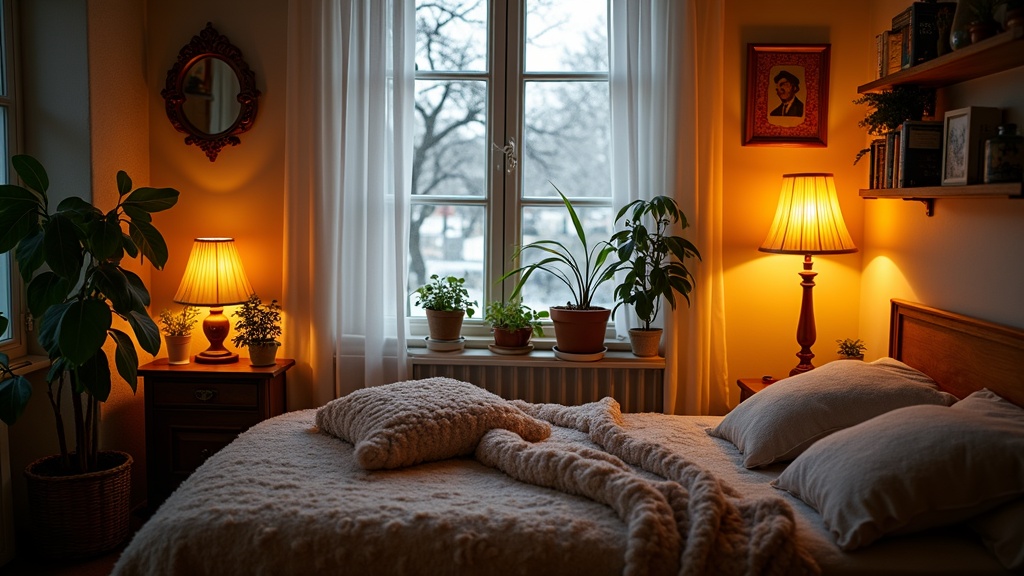
What is Seasonal Affective Darkness Disorder?
SADD, sometimes called seasonal affective disorder (SAD), is a mood disorder that arrives as the clocks change and skies turn gray. It’s common in places with long, dark winters, but anyone can go through it. People living farther from the equator or where clouds block the sun more often than not feel its effects the most.
I’ve met so many people who thought they were just lazy or unmotivated in winter, when really, SADD was the culprit. Symptoms include feeling tired all the time, low mood, trouble focusing, craving comfort foods (mainly carbs), and pulling away from social life.
SADD appears during fall and winter and usually fades away when daylight returns in spring. It feels different from the regular winter blues; with SADD, the mood and energy drops can get pretty intense, making daily tasks feel much harder.
Why SADD Happens: The Science Behind the Darkness
The main cause of SADD is the reduced daylight during colder months. Our bodies run on a circadian rhythm—a sort of built-in clock that tells us when it’s time to be awake or sleep. Less sunlight messes with this rhythm, making it harder to stay energized and focused.
Darkness affects hormone production, too. Melatonin, which helps you sleep, goes up in the dark, making you feel sleepy when you want to be doing things. At the same time, serotonin—that feel-good hormone—drops without enough sunshine. This is a direct path to feeling down and sluggish, a classic SADD scenario.
Vitamin D is a another big one. Since we mainly get vitamin D from sunlight, those long periods of gray days or early sunsets put us at risk for running low. Lack of vitamin D can mean fatigue, moodiness, and brain fog—classic warning signs of SADD.
Recognizing SADD: What to Look For
It’s important to know when everyday winter blahs cross over into something more serious. Here are some warning signs I try to watch for:
- Regular Low Mood: Feeling down almost every day, especially as daylight disappears.
- Loss of Interest: Losing interest in hobbies, food, or hanging out with friends.
- Constant Tiredness: Waking up exhausted, or wanting to nap all day long.
- Changes in Sleep or Appetite: Sleeping way more or less than usual, and reaching for carb-heavy foods like bread and sweets.
- Focus Problems: Struggling to concentrate at work or school.
If these hang around for more than a couple of weeks and start affecting your work, school, or relationships, it’s smart to ask a professional for advice.
Everyday Ways to Cope With SADD
I’ve experimented with lots of ways to handle SADD, and here’s what really makes a difference:
- Keep a Regular Routine: Waking and sleeping on a schedule helps your body hang onto its rhythm.
- Get Outside During the Day: Even little walks on cloudy days are better than nothing—natural light still makes a difference.
- Connect with People: Making plans with friends or joining a group activity helps break SADD’s sense of isolation.
- Stay Active: Moving your body, whether walking, stretching, or yoga, helps shake off sluggishness.
- Eat Well: Balance those carb cravings with veggies, healthy fats, and lean protein to support your energy and mood.
- Begin a new Hobby: I like to save new things to do for the winter months to pass the time. Always wanted to start that crochet? do it when you’re SADD in the middle of winter.
These easy shifts can go a long way in giving your mood a boost and making the cold, dark months feel a little lighter.
The Role of Light Therapy (Happy Lights)
If one thing has really stood out for me and many others, it’s light therapy. “Happy lights” are lamps that mimic sunlight. Sitting near one for around 20-30 minutes every morning can help reset your internal clock and ramp up your energy. These devices are designed to filter out UV rays, so they’re safe for daily indoor use.
There are plenty of light boxes out there now, in all kinds of shapes and brightness levels. Look for one rated at least 10,000 lux (that’s a measure of light intensity). I put mine by my morning coffee spot so turning it on becomes part of the wake-up routine.
Some people feel the impact quickly; others notice it over a couple of weeks. If you want to try it out, check reviews and guides to pick the right option for your routine and comfort. You might be surprised just how much a small device can shake up your mornings for the better.
Vitamin D: Why It Matters for SADD
Vitamin D gets called the “sunshine vitamin” for a good reason. Your body makes it when sunlight hits your skin, but in winter, you might start running low. I always check in with my doctor before starting any new supplement, but for many, a daily vitamin D boost can really help.
Foods like salmon, eggs, fortified cereal, and mushrooms offer vitamin D, but sunlight is the big supplier. Even a cloudy outdoor stroll helps your body make more. Supplements are simple to use as well, and if your doctor recommends one, it’s worth making part of your daily routine to help manage SADD.
Practical Strategies for Getting Through the Darkness
- Brighten Your Space: Open the curtains, add mirrors to reflect sunlight, and use warm, bright lamps in dark corners.
- Stay Social: Call friends, accept invitations (even if you aren’t in the mood), or join a seasonal group to mix in some variety.
- Talk About It: Sharing how you feel with a doctor, therapist, or trusted friend can bring up new coping ideas and helps you feel less alone.
- Therapy: Working with a mental health pro to handle SADD offers new tips and techniques—cognitive behavioral therapy, for example, is known to help with mood swings linked to SADD.
Frequently Asked Questions About SADD
Question: Is SADD just the winter blues?
Answer: SADD is more than just the occasional gloomy day. It can impact your mood, motivation, and daily life at a deeper level than regular winter blues. If it feels persistent or heavy, it’s a good time to check in with a pro.
Question: Can kids and teens get SADD?
Answer: Definitely. Children and teenagers can feel it as much as adults. It’s a good idea for parents and teachers to notice major mood changes or struggles at school as the seasons change, and help set routines and keep the conversation open about how they’re feeling.
Question: How soon does light therapy work?
Answer: Some people feel brighter after a few days, while for others, it takes a few weeks. Sticking to it every day offers the best results—consistency is what matters most with light therapy.
Where to Go From Here
Mixing up routines, spending just a little more time outside, and getting support all help make the darker months more manageable. If you think SADD might be part of your winter experience, track your mood and energy as the seasons flip. Talking it over with a professional—or even just a friend who gets it—can make a big difference. We’re all in this together, and there are plenty of ways to bring more light to the year’s darkest days. The support is out there, and even small changes can help make the season feel less heavy and more hopeful.