Alaska experiences some of the most extreme and eye-catching shifts in sunlight and periods of darkness anywhere on earth. In the far north, you can expect months where the sun hardly rises in winter, then flip to summer and get seemingly endless daylight. This wild pattern shapes nearly everything local residents do, from how they rest to how they play, as well as how communities come together. People are often curious about the real reasons behind Alaska’s bright and dark stretches, how Earth’s tilt steers this spectacle, and, most of all, what it actually feels like to live for months with almost constant darkness—or daylight. Let’s get into how Alaska’s darkness works, why it matters, and how people make these extremes their own.
Alaska’s Summer: Endless Days and Midnight Sun
In summer, certain parts of Alaska rarely get proper nighttime darkness. For locals, this means spontaneous midnight barbecues, fishing trips that run into the early hours, and evenings that feel as bright as the afternoon. Your sense of what “night” means can disappear altogether as you realize the sun is still hanging on the horizon late at night.
Anchorage, Alaska’s biggest city, is a prime example of these extended days. During June and early July, the sun rises just after 4 a.m. and doesn’t set until almost midnight. True darkness never settles in, since a lingering twilight glows through the early morning hours. As you go farther north to Fairbanks, June brings around 22 hours of honest-to-goodness daylight. The dim hours in between are bright enough that drivers rarely have to turn on headlights.
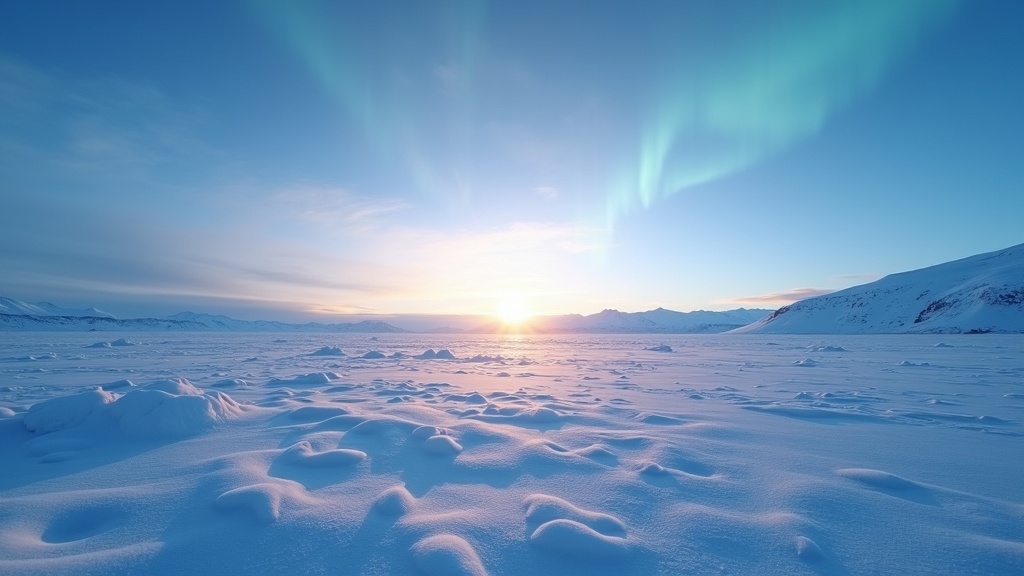
For the most striking effect, look up to Utqiaġvik (formerly Barrow), Alaska’s northernmost city. Here, the sun rises once in mid-May and doesn’t set again for roughly 83 days. The phenomenon, known as the midnight sun, lets you look outside at 2 a.m. and see a bright disk cruising the edge of the sky. Daily activities don’t follow the clock—with friends grilling, walking, or simply sitting out to soak in the perpetual sunset for weeks at a time.
Alaska’s Winter: The Longest Nights
If Alaska’s summers bring seemingly endless days, winters bring their own kind of intensity. It’s no surprise that people ask Alaskans about the darkness: How dark does it get? How do people handle it?
Anchorage in late December gets about five and a half hours of low-hanging sunlight. The sun barely peeks above the horizon, sending long shadows and a gentle blue glow across the snow. By late morning, the sun starts its slow descent once again. In Fairbanks, winter solstice drops daylight to under four hours. Most of the day is steeped in a dusky twilight, rather than the bright afternoon sun most folks expect. As a result, residents often lean on bright lamps, try to head outside for a midday boost, or set up special UV lights at home to fake sunshine.
Utqiaġvik faces the most radical version of winter darkness. From roughly mid-November to late January, the sun never clears the horizon. This is called polar night. Even though you might catch a faint glow for an hour or two, there’s no true sunrise or sunset for around two months. During this period, locals often hunker down with indoor projects, cookouts, and gathering events that bring warmth and light while the world outside stays dim.
Why Alaska Gets So Dark (and Bright): The Science in Simple Terms
So, what makes Alaska’s darkness so wild compared to other places? The answer starts with geography. Alaska is perched far to the north, and Earth’s tilt explains the rest.
Earth spins like a top, but the “top” is tilted about 23.5 degrees relative to its orbit. Because of this, the top of the planet (the North Pole) sometimes points toward the sun (summer for the Northern Hemisphere), and sometimes points away (winter). The closer you are to the top, the more dramatic the effect. Most folks notice this as longer days in summer, shorter days in winter. In Alaska, though, the daylight (or darkness) lasts for weeks at a time.
During summer, the northernmost parts of Earth tip toward the sun. Alaska soaks up huge amounts of sunlight because the sun doesn’t set for days or weeks. During winter, the opposite happens. Alaska tilts farther away, plunging the region into shadow for long stretches. It’s not about clouds or cold weather. It’s Earth’s position as it swings around the sun that creates these light and dark seasons.
Comparing Cities: Barrow (Utqiaġvik) and Beyond
The exact experience of Alaska’s light and darkness depends a lot on how far north a city sits. Anchorage is at about 61 degrees north latitude—making its regular seasons extreme by most standards, but not quite as jaw-dropping as Fairbanks or Utqiaġvik.
- Anchorage: Around five and a half hours of light during the shortest winter days, with nighttime lasting up to 18 hours. In summer, nearly 19 hours of sunlight shine on the city during the longest days.
- Fairbanks: Under four hours of light at the darkest point and more than 21 hours at peak summer.
- Utqiaġvik (Barrow): Two full months without sunrise in winter balanced by two months where the sun never sets in summer, creating the famous midnight sun and polar night extremes.
Head south in Alaska, and you still find big swings, but not quite as severe. Juneau gets six and a half hours of daylight at winter’s shortest, which is still much darker than most of America, but it avoids the continuous night of the far north.
How Alaska’s Darkness and Light Affects Daily Life
With such intense shifts in light, life in Alaska changes throughout the year. The endless sunny days in summer transform communities into bustling, outdoor-friendly spots. People become night owls, heading into nature at midnight, starting backyard projects late, or taking advantage of 24-hour grocery stores because the day just keeps going.
In the darkest months, routines flip. Lack of sunlight can affect mood and throw off sleep. For some, it feels cozy—perfect for watching movies, working on hobbies, or sharing long meals with friends. Still, many Alaskans make it a point to get outside during the limited daylight, even if it’s for a short walk. That brief sunshine can make a huge difference in mood and energy. To counter energy dips, people use bright daylight lamps or plan active outings to give themselves a lift. Community events, local clubs, and group sports keep the social scene strong during winter, helping residents connect as the nights stretch on.
Benefits of the Dark and Light Extremes
Though the lack of winter sunlight takes some getting used to, residents have found unexpected positives in these swings. Long periods of darkness turn community life a bit inward, with festivals, art nights, and story swaps popping up throughout the season. People unite over creative pastimes, winter sports, and, when skies are clear, some of the world’s best stargazing. The Northern Lights regularly swirl overhead during these long nights, making for truly next-level cool outdoor evenings. When summer rolls around, all that sunlight inspires a burst of outdoor adventure: running, fishing, hiking, and events that keep going long after midnight. Many say these odd cycles build resilience, creativity, and a real sense of cherishing every sunny day.
How Residents Deal With the Darkness
Living with months of darkness means locals have some tricks for staying upbeat. Getting outside, even for a little while, is a big focus. Embracing chilly walks, quick ski trips, and soaking up fresh air whenever there’s a sunbeam, keeps the cabin fever away. Inside, people get busy with crafts, cooking, and hands-on projects. Light therapy lamps are a standard tool, especially at schools and home offices. Doctors often suggest vitamin D supplements to help balance the missing sunlight. Above all, Alaskan communities rely on togetherness—reaching out for coffee, organizing potlucks, or checking in on neighbors—to keep spirits high when daylight is rare.
SAD and Mental Health in Alaska’s Dark Winters
Alaska’s darkness sometimes brings on a mood slump called Seasonal Affective Disorder (SAD). This type of depression is directly related to a shortage of sunlight. People might notice feeling down, sluggish, or craving more sweets and carbs. Trouble sleeping and low motivation are also common. Alaska sees higher rates of SAD than many states due to those long stretches of night. The main fixes include regular outside time (even short), healthy sleep routines, and connecting with others. Light therapy lamps, which mimic real sunlight, are widely available and can help lift mood and energy when skies stay gloomy for weeks. Counseling and community support are also important—not just for severe cases, but to help everyone stay balanced during the deep winter.
Frequently Asked Questions About Darkness in Alaska
How do schools work during constant darkness?
Education keeps a regular schedule, with kids bundled up in bright jackets and sometimes carrying headlamps. Many schools boost indoor programming in winter, offering movement breaks, extra art, or wellness sessions to help students stay energetic when light is limited.
When’s the best time to see the Northern Lights?
Long winter nights (September through April) are best for Northern Lights, especially far from city lights. Fairbanks is world-renowned for its aurora sightings thanks to its dark, clear winter skies.
Do people have trouble sleeping in constant daylight?
This is a real challenge for many Alaskans. Blackout curtains, keeping the bedroom cool and dark, and sticking to steady routines help people sleep when the sun’s blazing at midnight.
Do animals get confused by the light and dark swings?
Most Alaskan wildlife have learned to handle the extremes. Bears hibernate during the deepest darkness. Some birds fly south as days shorten. Household pets may get lively in summer or lazier in winter, but regular routines help keep them settled.
Understanding the Big Picture
Alaska’s dramatic light and darkness cycles boil down to its spot near the top of the world, and the angle Earth sits at as it orbits the sun. These swings shape daily routines, mental health strategies, and group traditions. While months of near-night or endless day can be tough to adjust to, most Alaskans find ways to make the most of it: enjoying new hobbies, building tight communities, and grabbing every drop of sunlight. This ever-changing light—whether glowing softly at noon or never setting at night—makes Alaska a truly unique place for those bold enough to embrace its extremes.